


 English
 Français
 русский
 Español


What Is Syringe Dead Space and Why Does It Matter
Nov 27,2026
Syringe dead space is the internal volume that may retain fluid after the plunger has been fully depressed. It is commonly found in the syringe tip, needle hub, or connection between the syringe and needle. Although the volume is small, it can affect medication waste and delivered volume in applications involving small or high-value doses
Where Does Dead Space Occur?
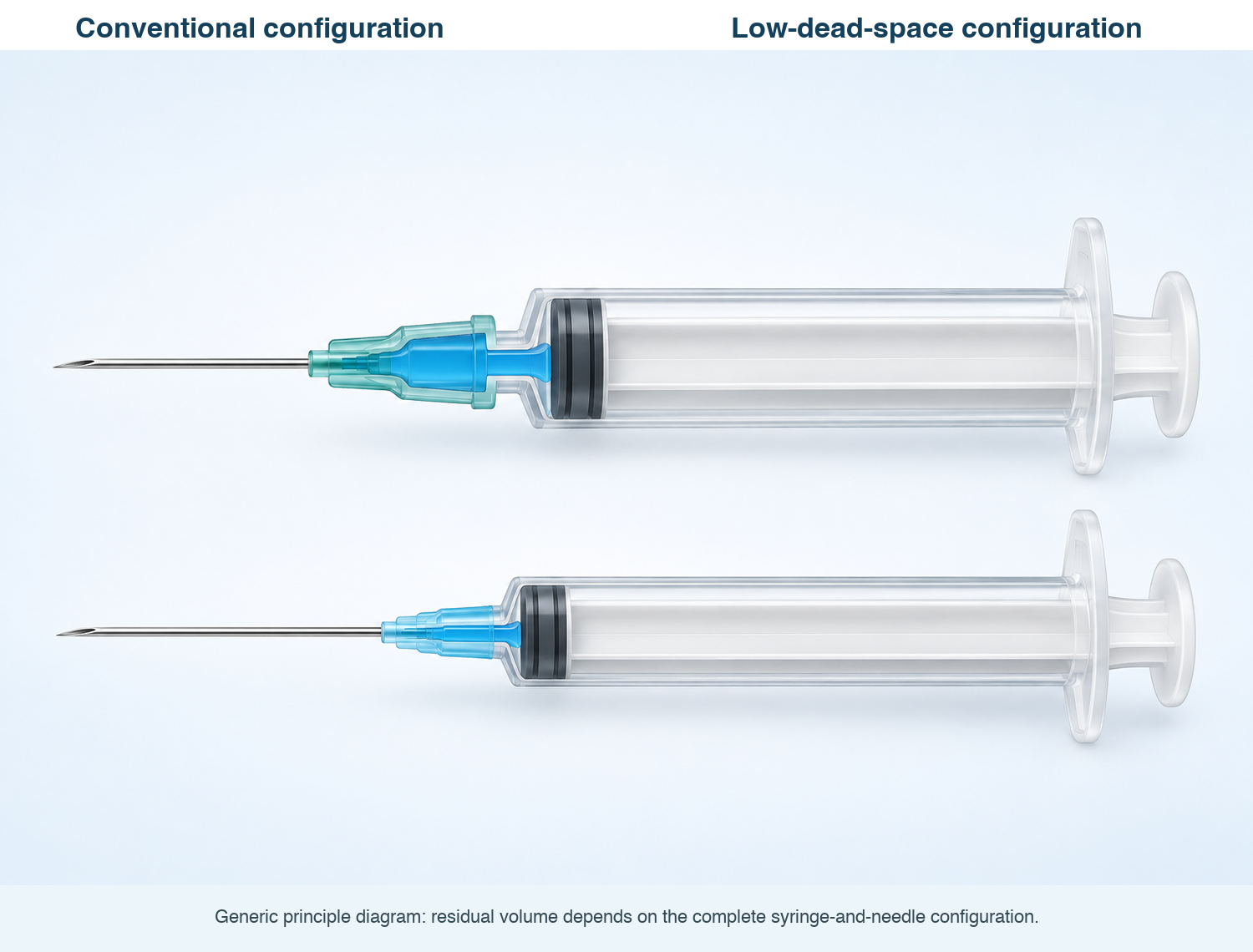
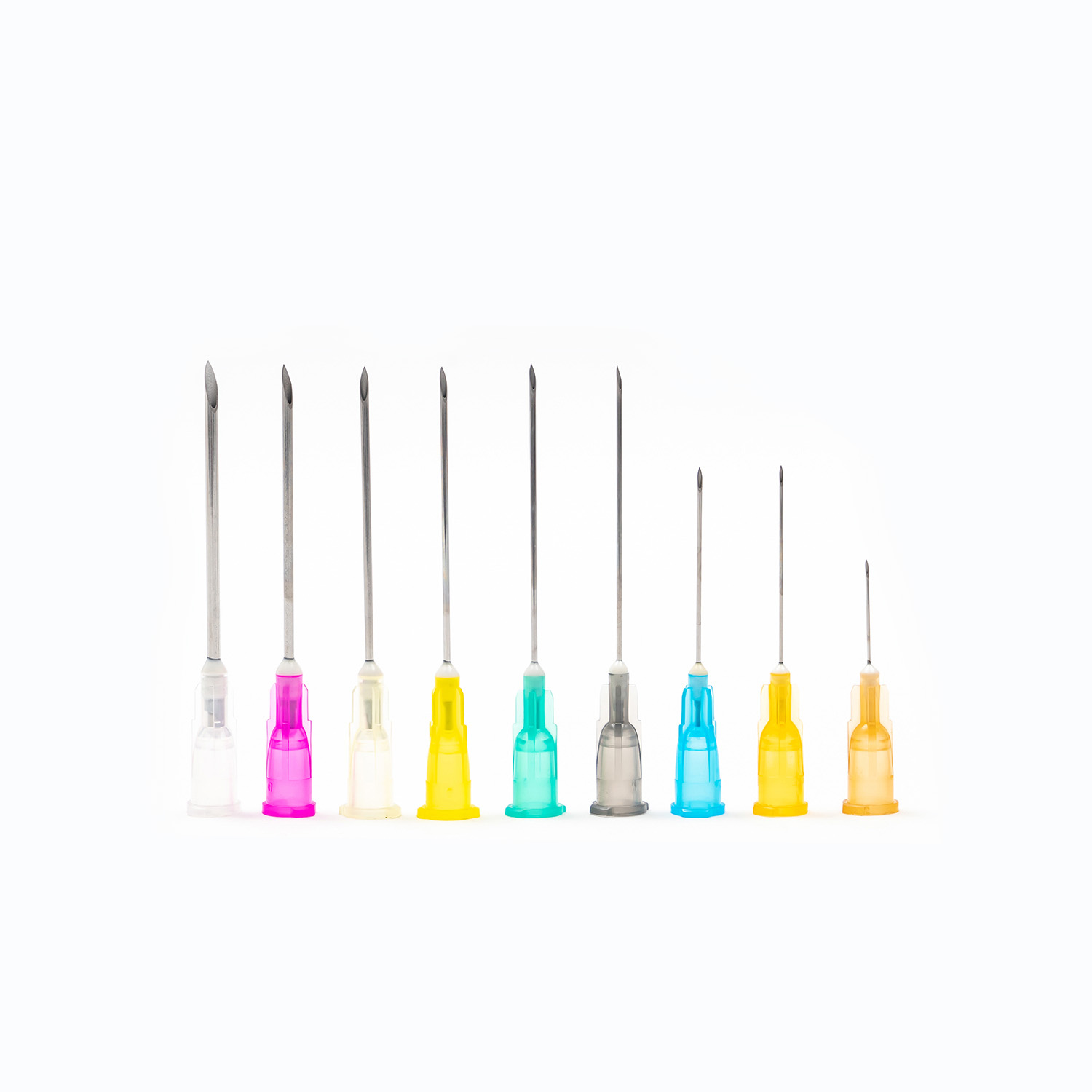
The plunger cannot enter every part of the fluid pathway. After it reaches the end of the barrel, some fluid may remain in the syringe nozzle, needle hub, needle channel, or connector space.
Dead space should therefore be evaluated across the complete syringe-and-needle configuration. Changing the needle or connector can change the residual volume, even when the syringe barrel remains the same.
What Is a Low Dead Space Syringe?
A low dead space syringe is designed to reduce the volume left behind after use. According to the U.S. Food and Drug Administration, this may be achieved through the design of the plunger, syringe nozzle, needle, or a combination of these components.
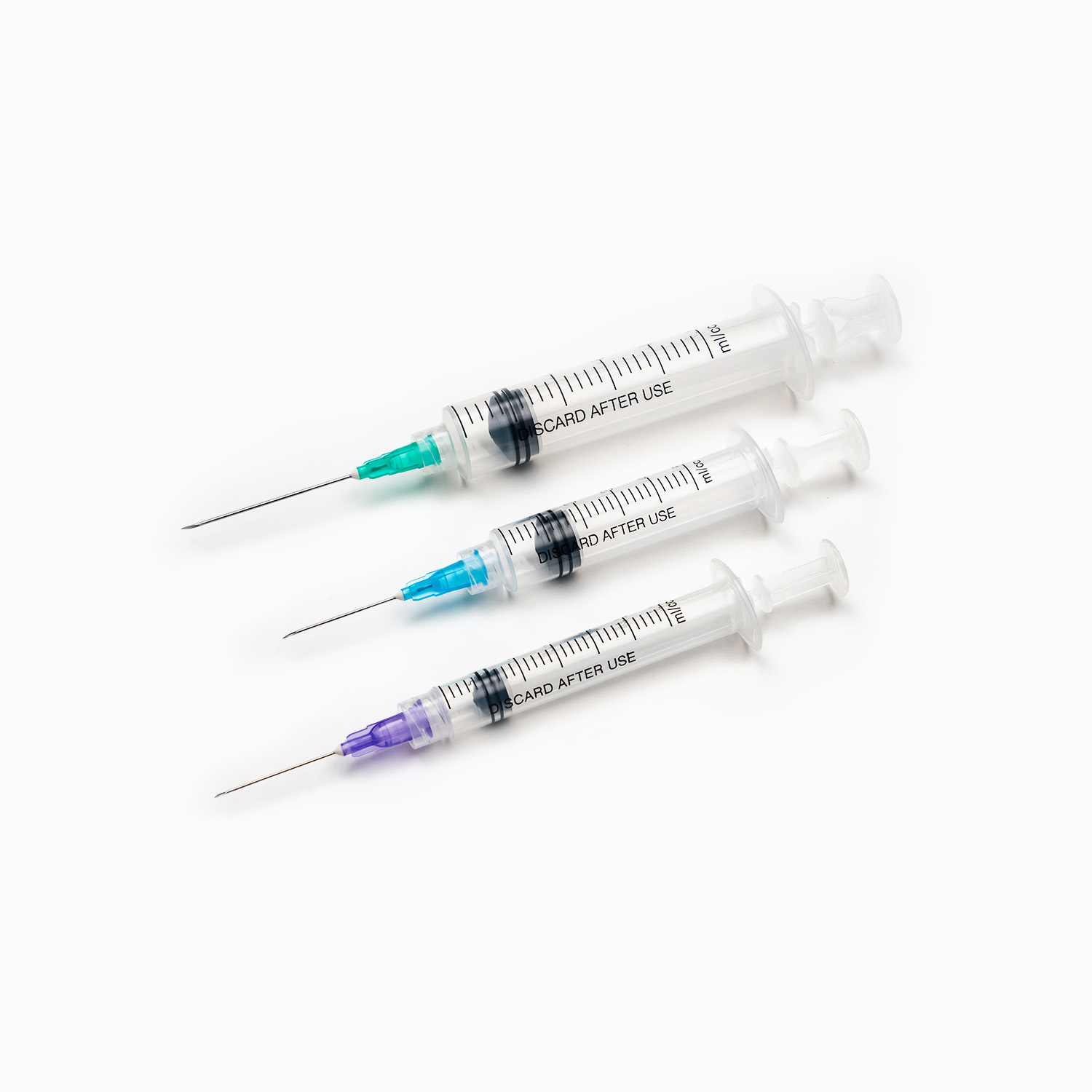
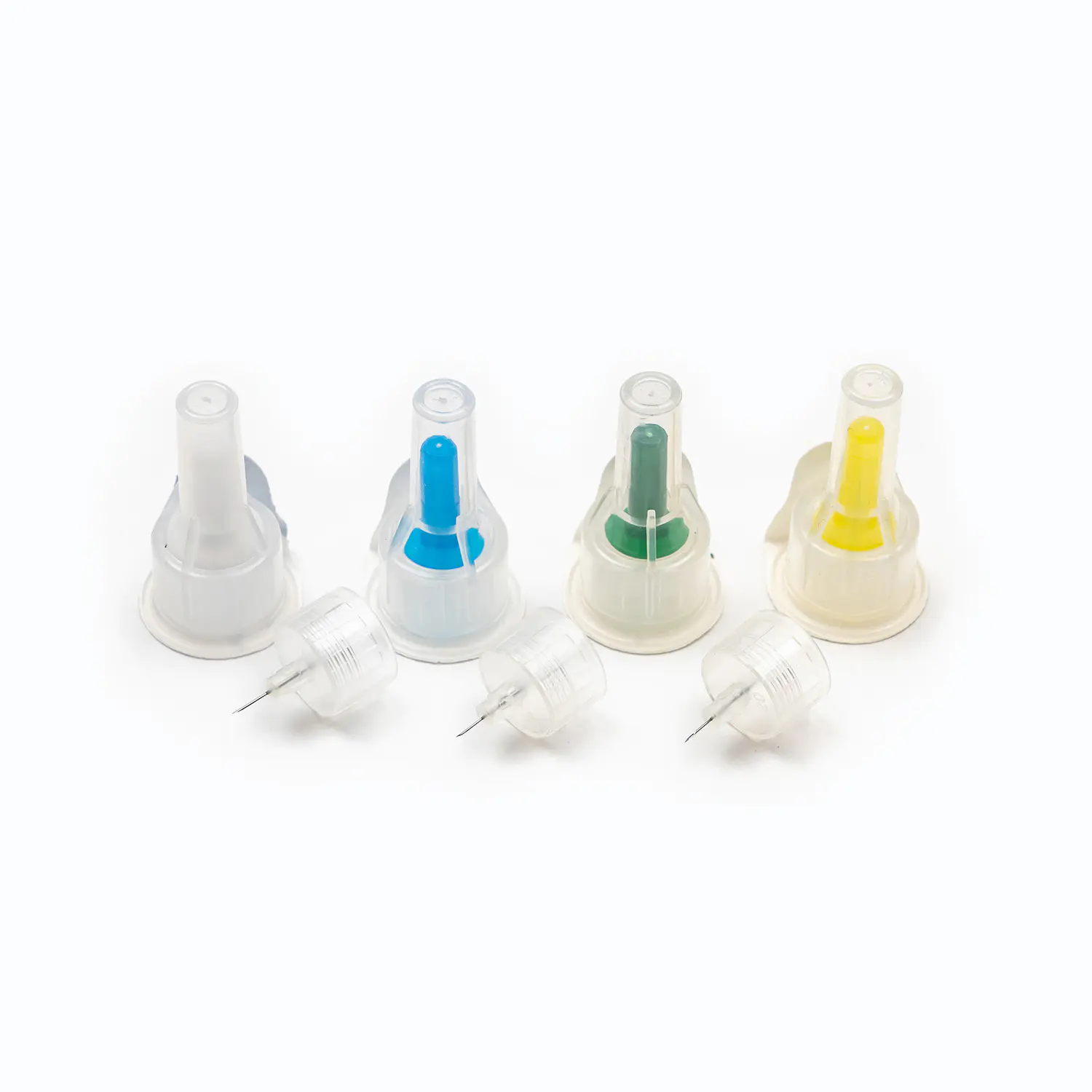
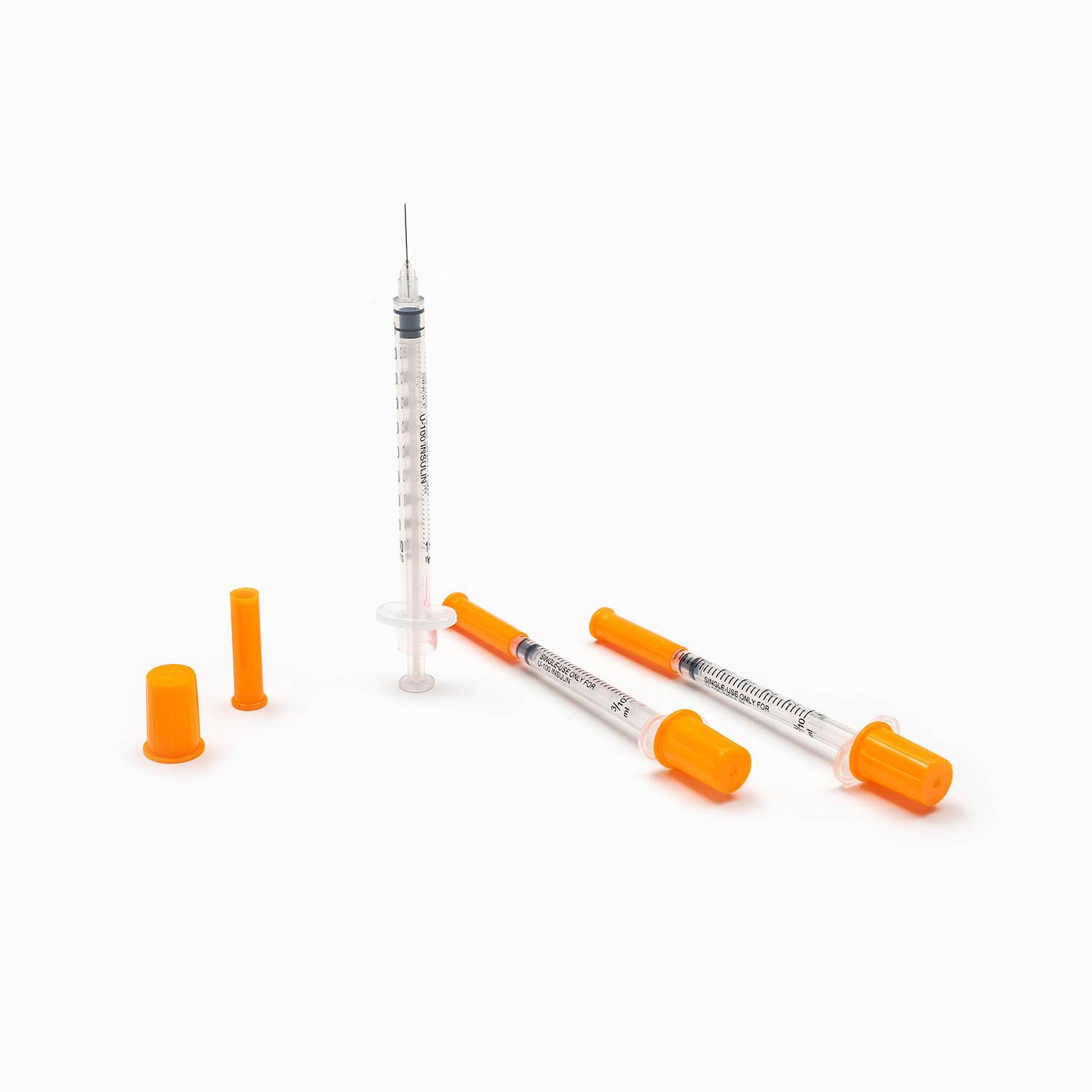
Common approaches include a fixed needle connected directly to the barrel, a plunger shaped to extend farther into the syringe tip, or a modified detachable needle that occupies more of the connector space.
Low dead space does not mean that absolutely no fluid remains. The actual residual volume depends on the complete device configuration and should be confirmed through technical documentation or applicable test results.
Why Does Syringe Dead Space Matter?
Medication waste
Fluid left inside the syringe and needle is not delivered. In many routine applications, this amount is small compared with the total syringe volume. It becomes more relevant when the dose is small, the medication is costly, or many doses are prepared from a limited supply.
Reducing dead space can improve the proportion of drawn fluid that is delivered. However, a low dead space design should not automatically be considered suitable for every medication or procedure.
Delivered volume considerations
Residual volume can represent a larger proportion of a small dose than of a large one. When precise small-volume delivery matters, dead-space performance may therefore be reviewed together with graduation accuracy, leakage, plunger movement, and connector compatibility.
Configuration consistency
A syringe evaluated with one needle may not produce the same residual volume when paired with another. Procurement teams should check whether a declared dead-space value applies to the syringe alone or to a particular syringe-and-needle combination.
Is Lower Dead Space Always Better?
Lower residual volume can be useful, but it is only one selection factor. The syringe must also provide the required capacity, graduation scale, connector type, seal performance, material compatibility, and documentation for its intended use.
Some applications may require a detachable needle or another configuration that takes priority over minimizing dead space. Product selection should be based on the complete clinical and technical requirements rather than a single characteristic.
Conclusion
Syringe dead space is a small but potentially important part of device selection. Lower dead space may reduce medication waste, particularly for small or high-value doses, but it must be assessed together with capacity, connector type, needle configuration, intended use, and verified product performance.
Address
Dingtao District (Yantai) Industrial Park, Shandong Province, China


Products
Mobile Site
