


 English
 Français
 русский
 Español
Blood Transfusion Set: An Indispensable Lifeline in Modern Healthcare
Dec 01,2025
In modern medical practice, blood transfusion has become a crucial life-saving procedure, and the blood transfusion set (Blood Transfusion Set) is the core tool that makes this process possible. Whether in emergency situations, operating rooms, or intensive care units, the safety, reliability, and efficiency of the blood transfusion set are directly related to patient survival. Therefore, understanding the structure, function, and application of the blood transfusion set is essential for healthcare professionals and industry practitioners.
Basic Structure and Function of Blood Transfusion Sets
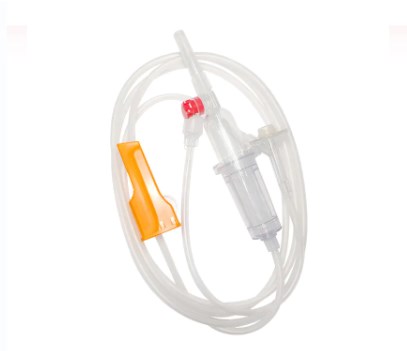
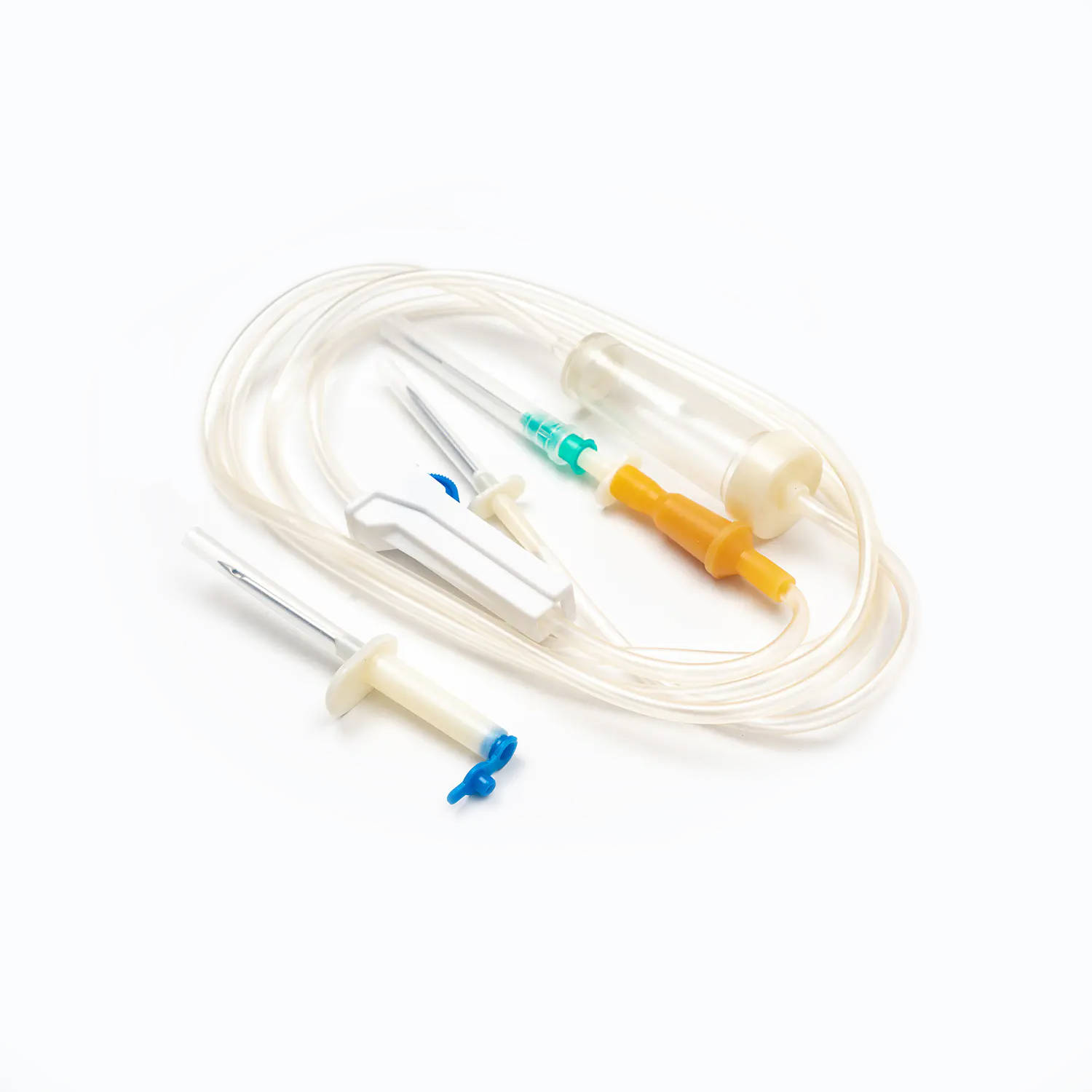
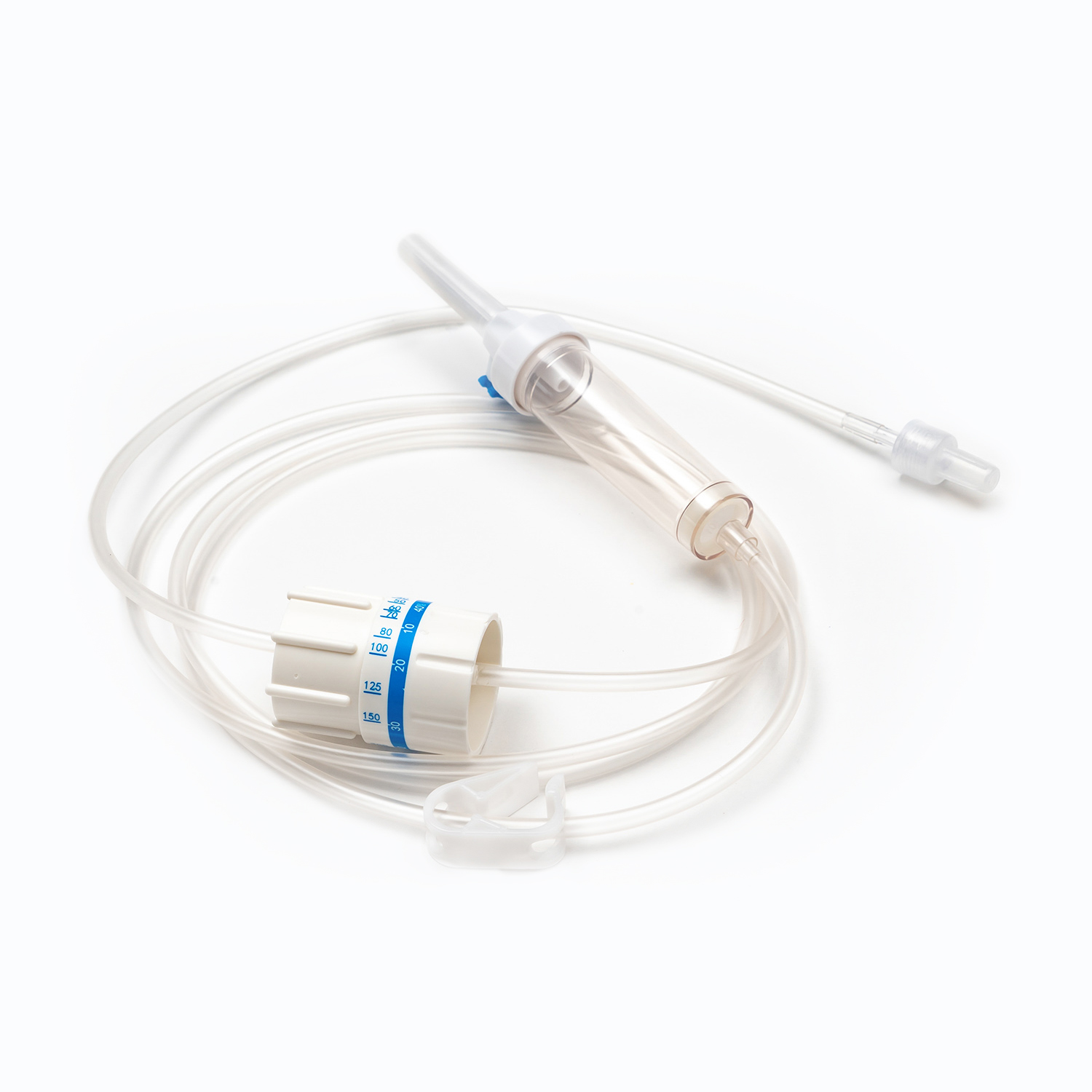
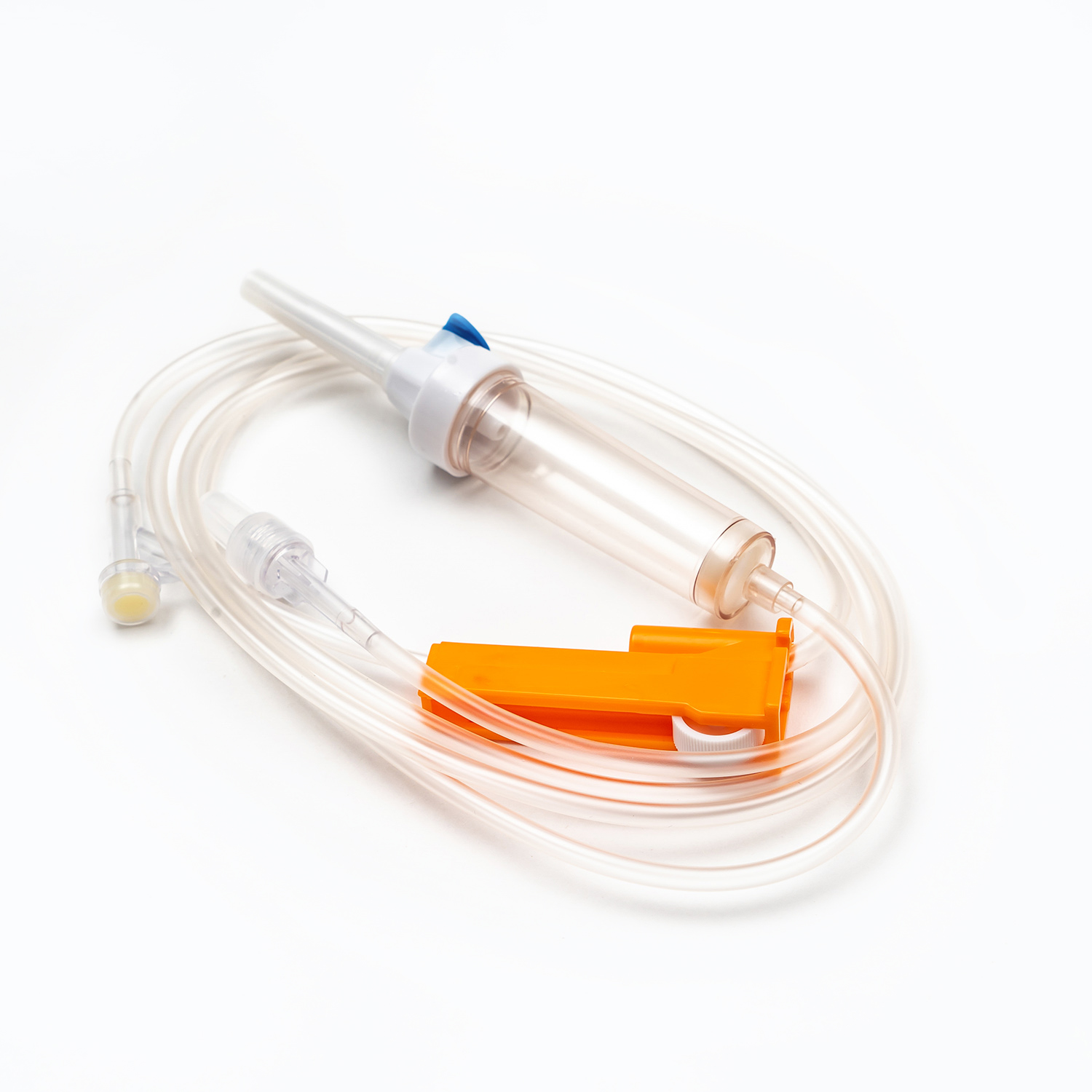
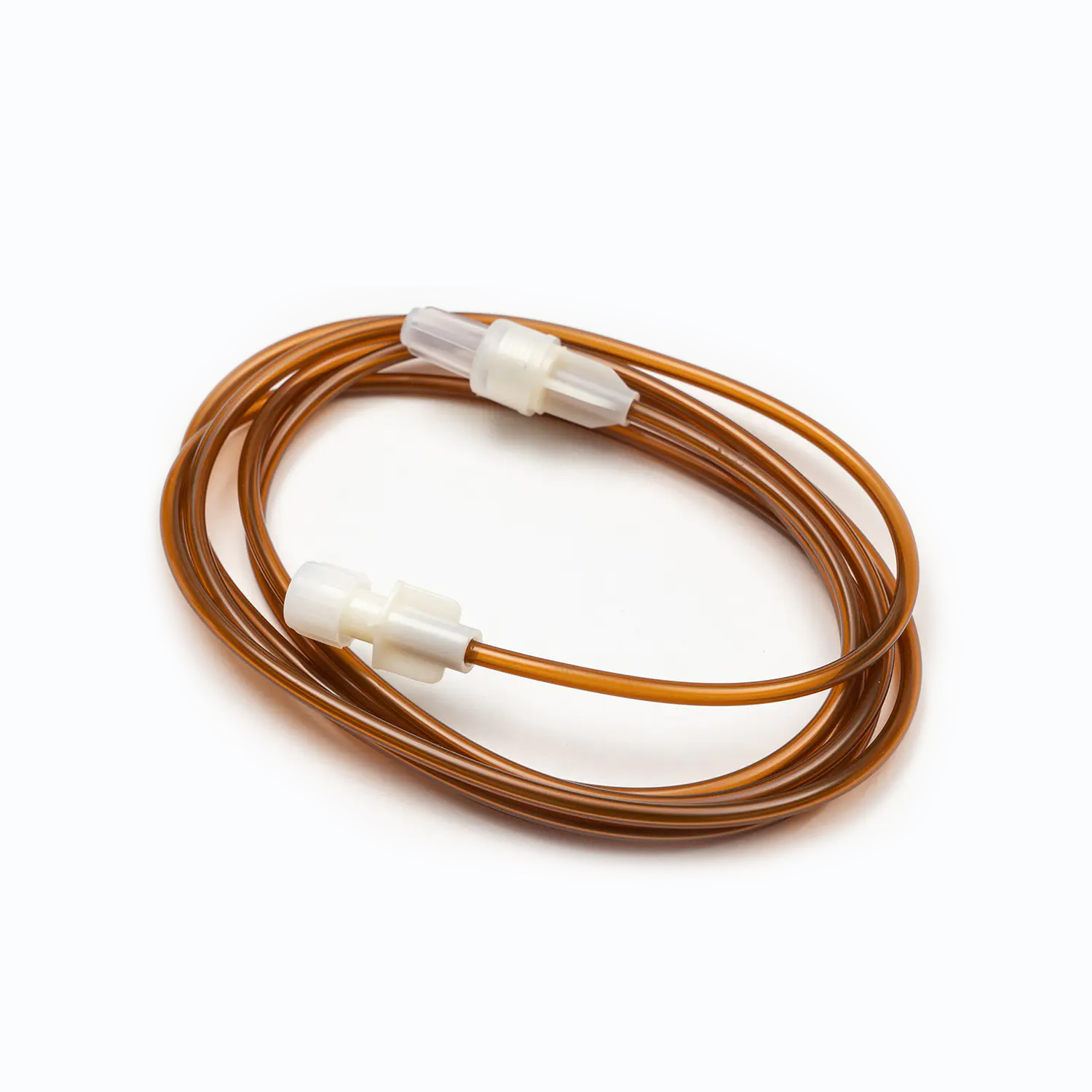
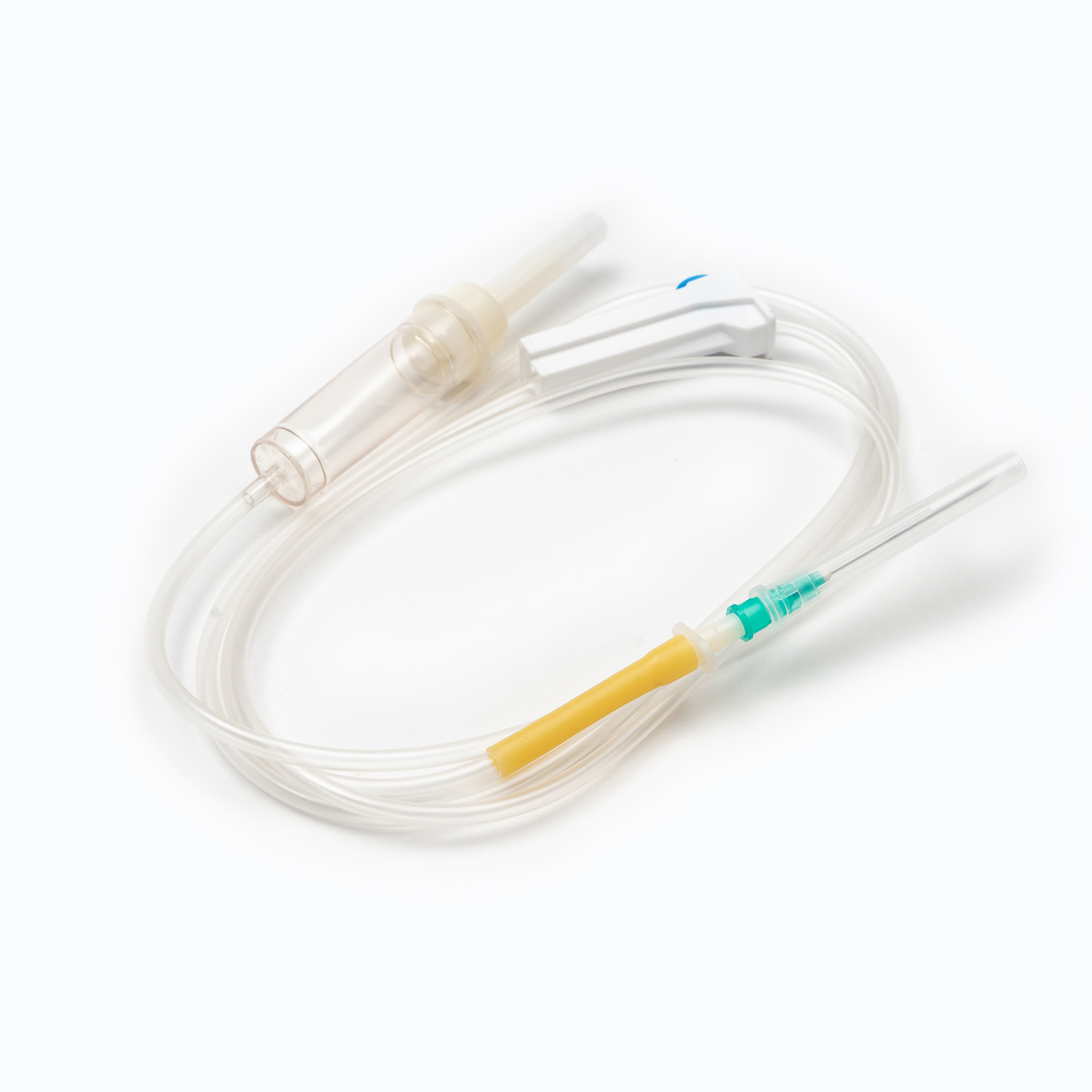
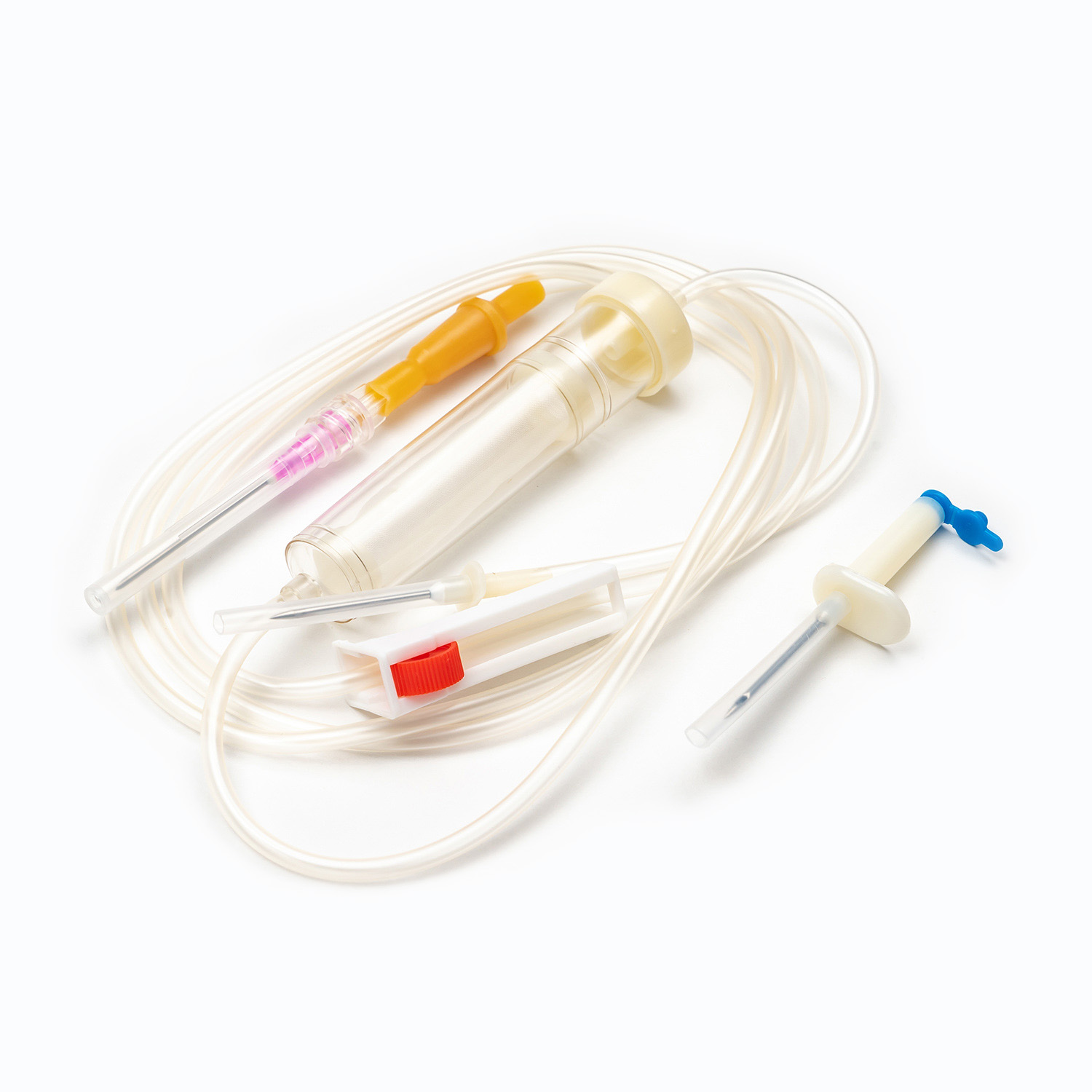
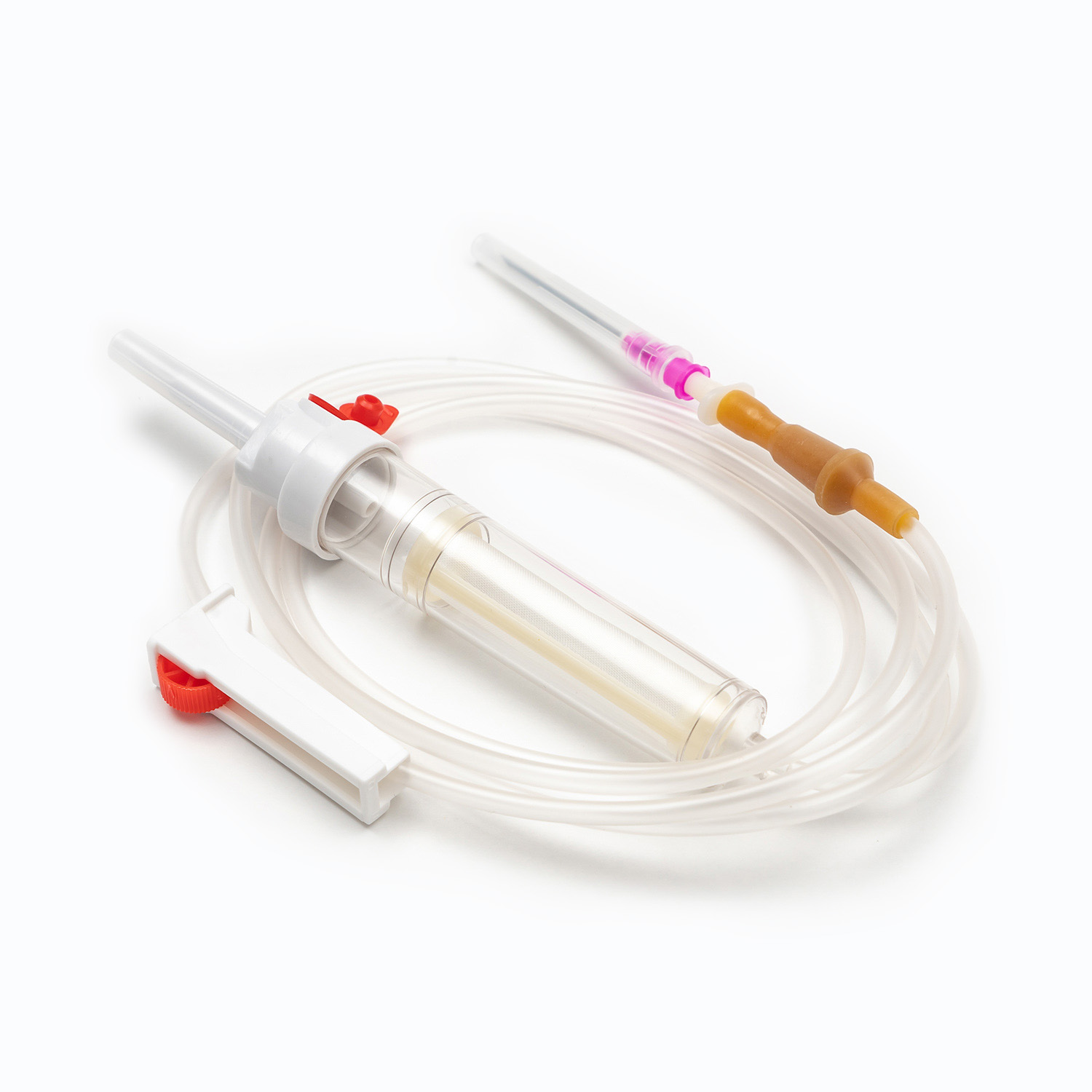
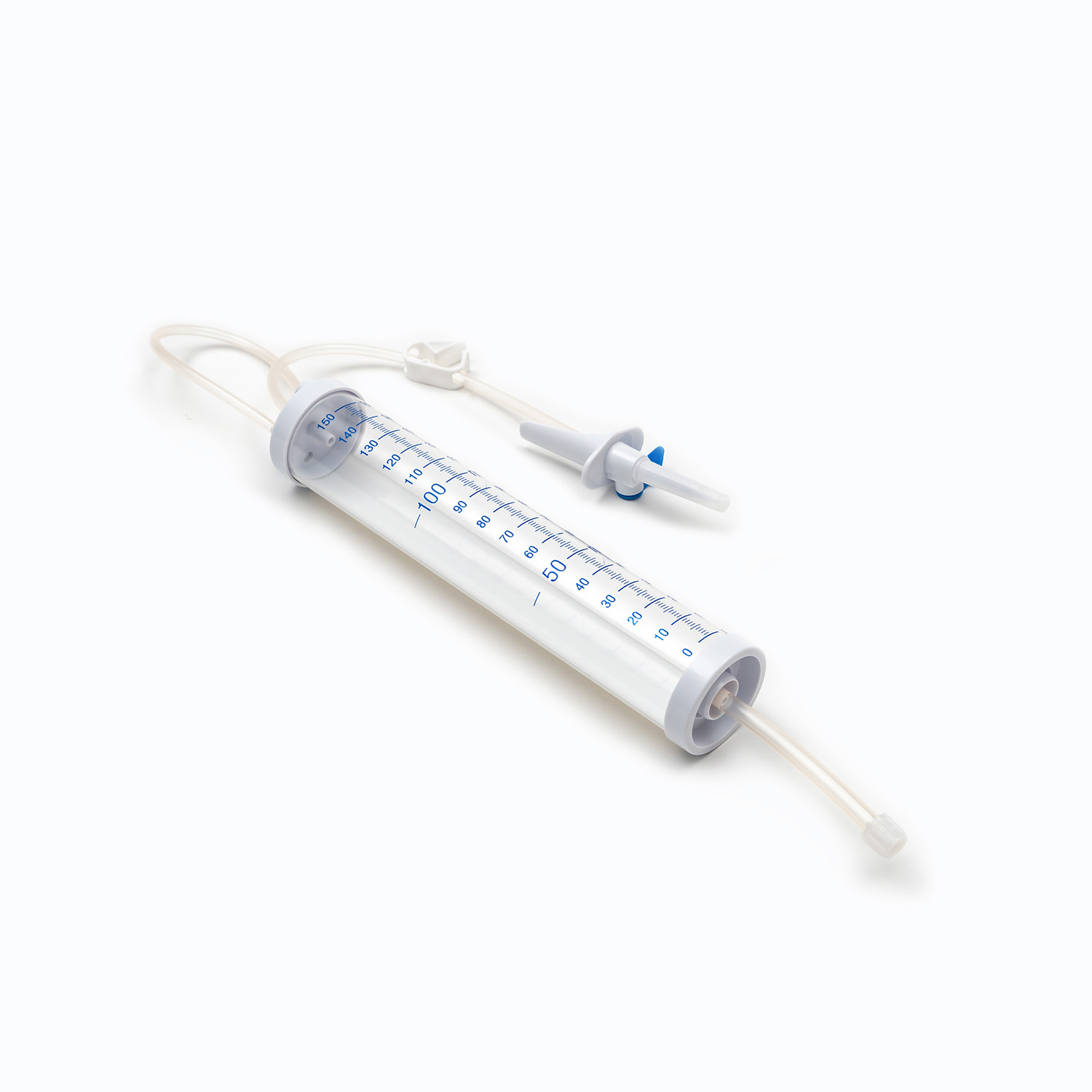
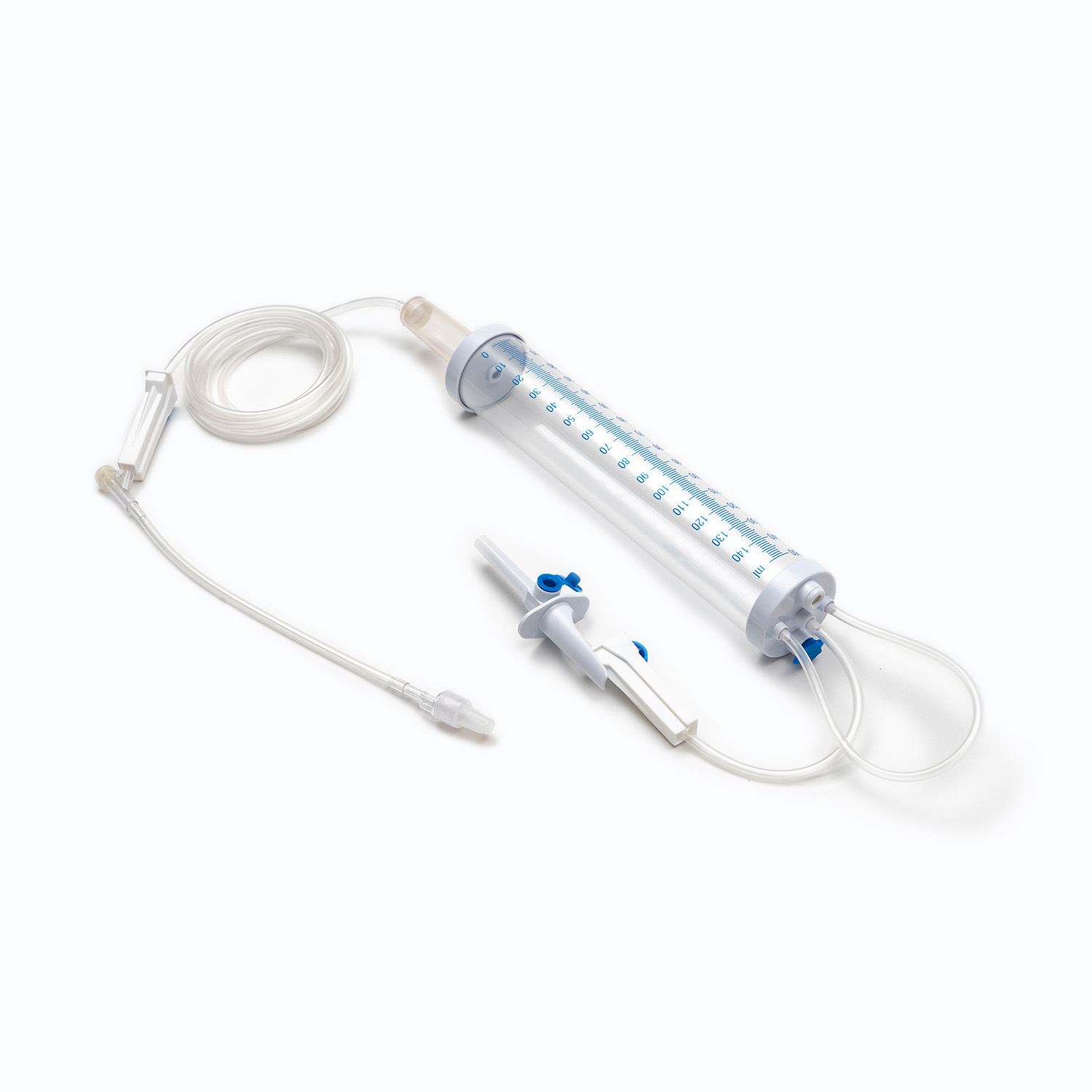
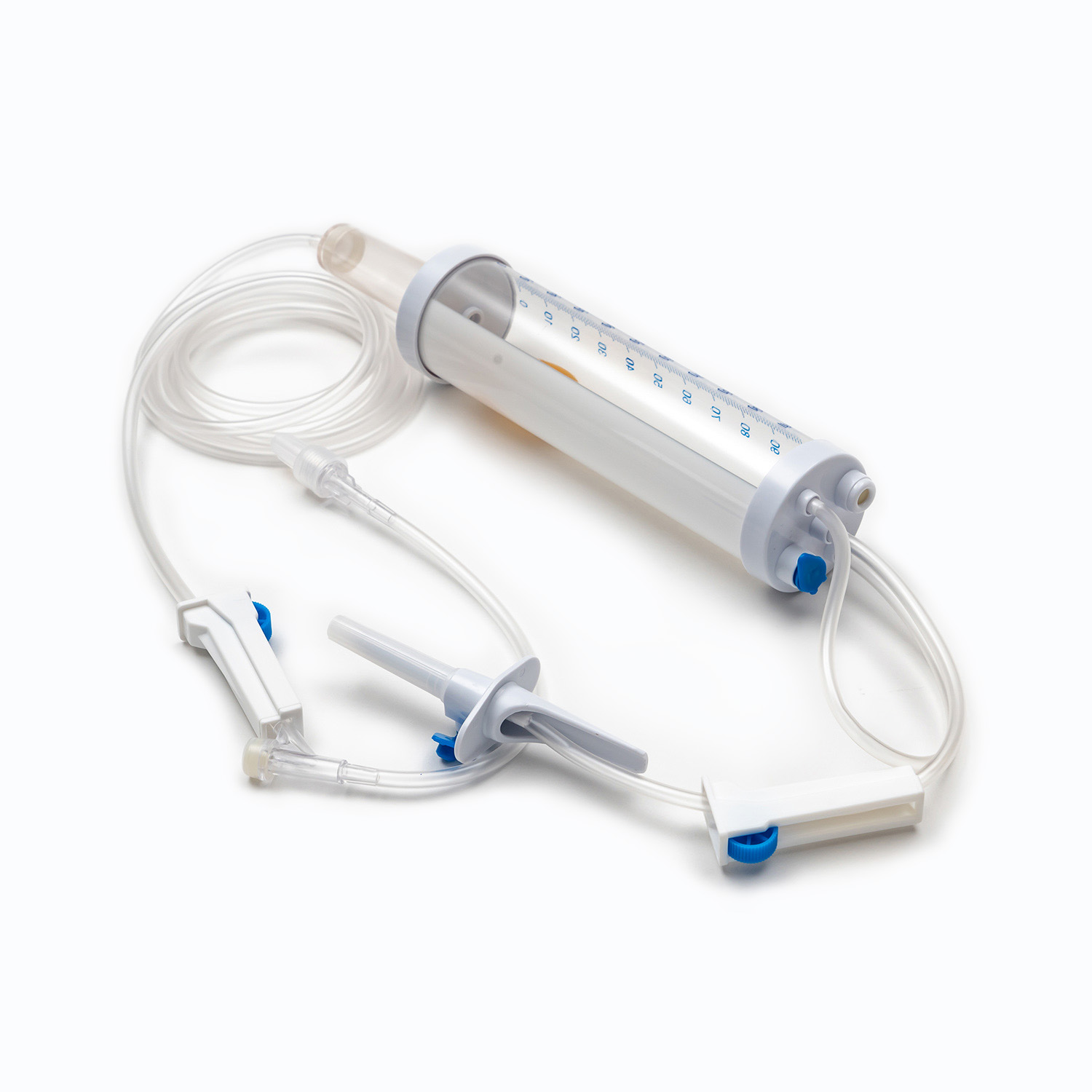
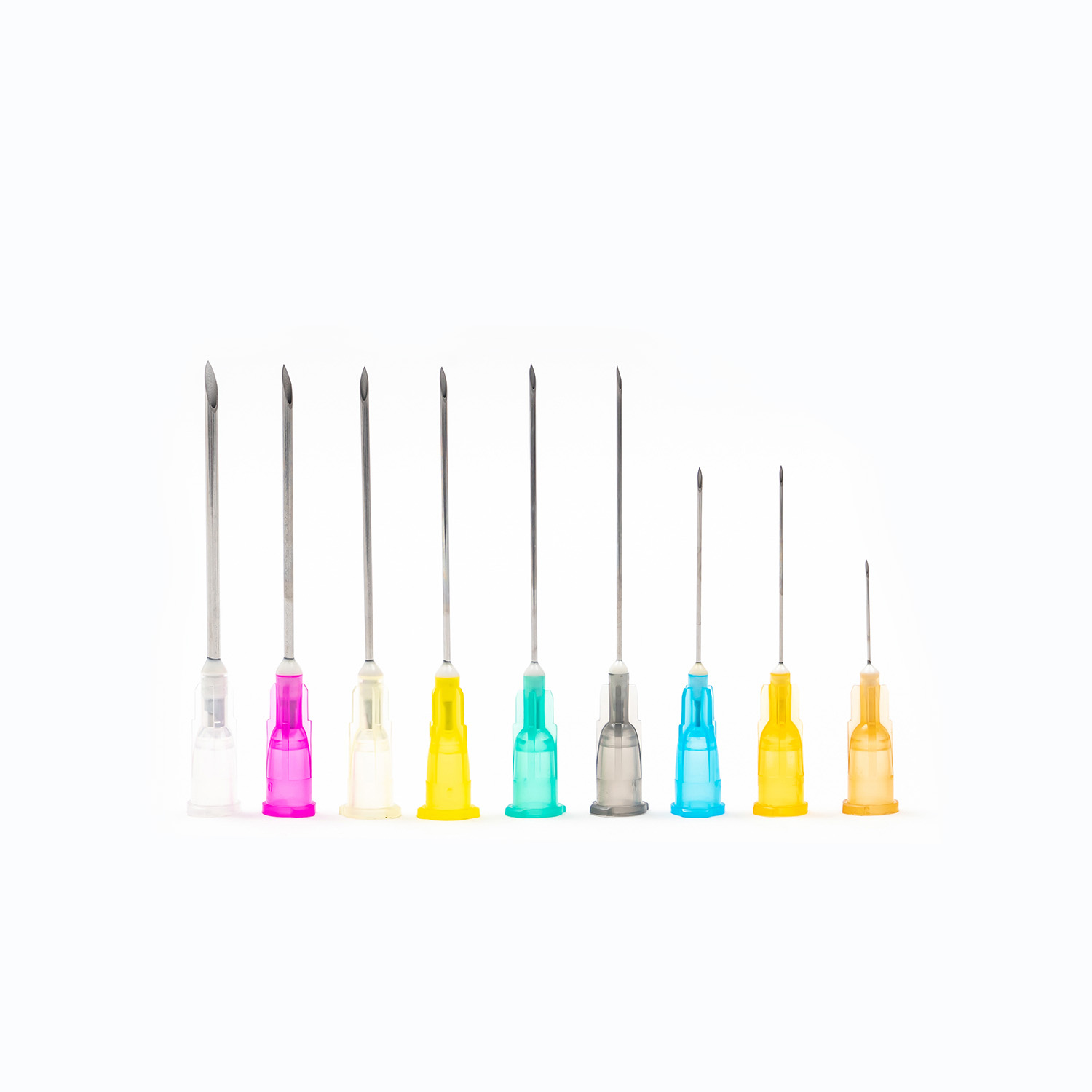
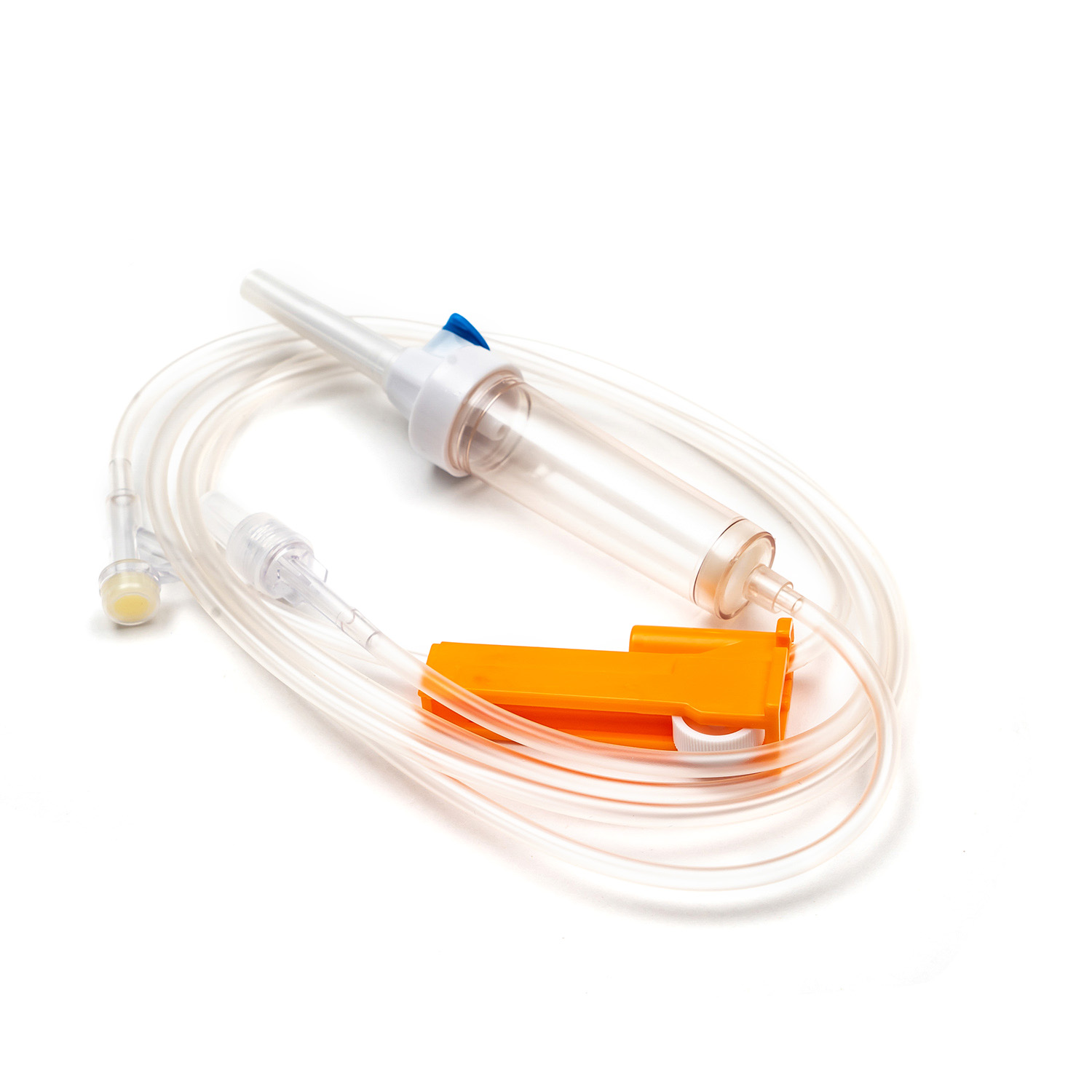
The blood transfusion set is a medical device specifically designed to deliver blood or blood products into the patient’s body, ensuring the safety and stability of the transfusion process. Typically, it consists of a needle, tubing, drip chamber, flow regulator, and connector. The needle enters the vein, the tubing acts as the channel for blood delivery, the drip chamber allows observation of blood flow and prevents air from entering the vein, and the flow regulator precisely controls the transfusion rate, ensuring even and safe delivery of blood.
The blood transfusion set is not merely a channel for blood; it also carries the essential functions of preventing contamination, controlling flow rate, and minimizing blood damage. In high-standard medical environments, each step must strictly follow operational protocols to ensure that blood components are not damaged and the risk of transfusion reactions or infections is minimized.
Technical Requirements for High-Quality Blood Transfusion Sets
The safety and effectiveness of a blood transfusion set are closely related to its manufacturing process. A high-quality set should be made of medical-grade materials with excellent corrosion resistance and biocompatibility. Material selection not only affects durability but also impacts the interaction between blood and tubing, ensuring that red blood cells are not damaged or aggregated during transfusion.
Modern blood transfusion sets often include precision flow control valves that allow micro-adjustments, ensuring the transfusion rate meets clinical requirements. Transparent drip chambers and anti-bubble features have become standard, enabling healthcare staff to monitor blood flow in real-time and significantly reducing the risk of air embolism.
Furthermore, safety design continues to improve. Single-use blood transfusion sets can prevent cross-infection, and combined with sterile packaging and sealed design, they minimize the risk of contamination during transfusion.
Clinical Applications of Blood Transfusion Sets
Blood transfusion sets are widely used in clinical settings, covering emergencies, surgery, chronic disease treatment, and intensive care. In emergency situations, these sets allow rapid delivery of blood or blood products, saving patients facing life-threatening blood loss or blood disorders. During surgery, precise control of transfusion speed is critical to maintaining stable blood circulation.
For chronic disease treatment, blood transfusion sets assist patients in regular blood product transfusions, improving blood component deficiencies and enhancing quality of life. In intensive care units, the sets combined with monitoring devices enable real-time supervision of transfusion, ensuring precise implementation of treatment plans. The stability and reliability of the blood transfusion set directly affect clinical outcomes and patient safety in these scenarios.
Future Trends in Blood Transfusion Sets
As medical technology evolves, blood transfusion sets continue to advance. Intelligent, automated, and high-precision control are the main directions for development. Future sets may include smart flow monitoring systems, achieving real-time monitoring and automatic adjustment of transfusion speed and volume. This not only improves operational convenience but also significantly enhances transfusion safety.
Environmental sustainability is also becoming a key consideration in medical device design. Some new blood transfusion sets use biodegradable materials and resource-saving manufacturing processes, balancing medical needs with environmental protection.
Selection and Usage Considerations for Blood Transfusion Sets
When purchasing blood transfusion sets, medical institutions must focus on product compliance, material safety, and manufacturing standards. High-quality sets not only ensure smooth transfusion but also reduce medical risks and improve patient experience. During use, healthcare staff must strictly follow operational protocols for needle insertion, connection, and flow adjustment, while maintaining sterile procedures to prevent blood contamination.
Regular inspection of the transfusion equipment's integrity and performance is equally crucial. Even minor damage or blockage may lead to serious consequences. Therefore, using blood transfusion sets requires a combination of scientific management processes and professional training to achieve both medical safety and efficient treatment.
Conclusion
The blood transfusion set is an indispensable device in modern healthcare, playing a key role in safeguarding patient lives, improving transfusion efficiency, and optimizing clinical operations. Its design, material selection, flow control, and safety reflect the refinement and scientific development of medical technology. With the integration of intelligent and high-precision technologies, the future of blood transfusion sets will be safer, more efficient, and more intelligent, providing stronger support for the healthcare industry. Understanding the professional knowledge of blood transfusion sets helps healthcare staff enhance operational skills and allows the public to better recognize transfusion safety and medical technological advancements.
Address
Dingtao District (Yantai) Industrial Park, Shandong Province, China


Products
Mobile Site
