


 English
 Français
 русский
 Español
Dental Needle: An Indispensable Precision Tool in Modern Dental Care
Nov 08,2025
In modern dental practice, precision and minimally invasive techniques have become important trends in the industry. The dental needle, as a commonly used dental surgical instrument, is not only a carrier of local anesthesia but also a key factor in achieving precise treatment and patient comfort. With the continuous advancement of dental treatment technology, dental needles have been continuously upgraded in terms of product materials, specifications, and safety, meeting diverse clinical needs and becoming one of the most watched core products in the dental medical supply chain.
Definition and Core Function of Dental Needles
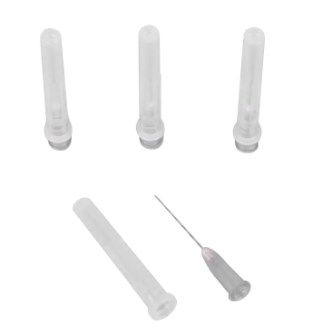
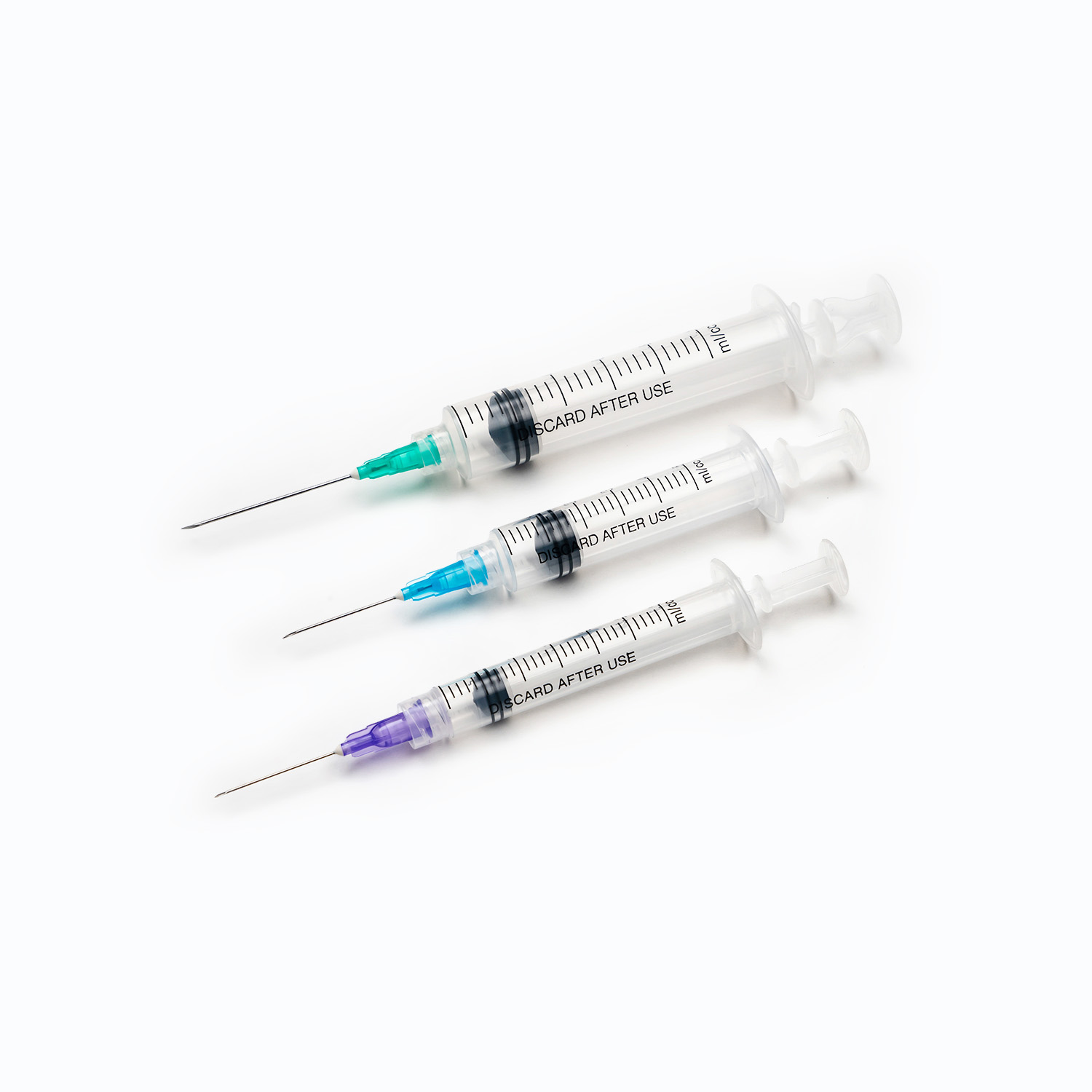
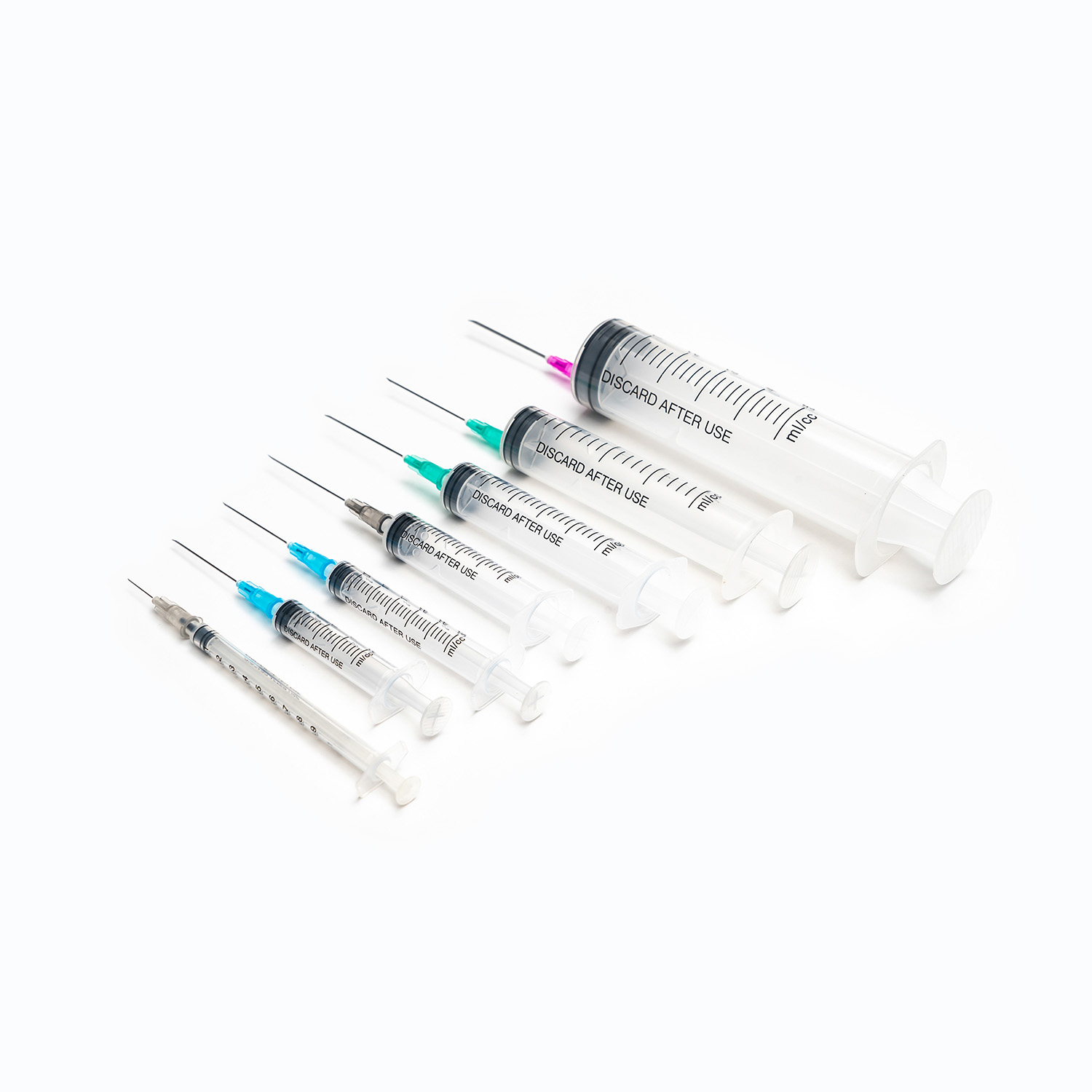
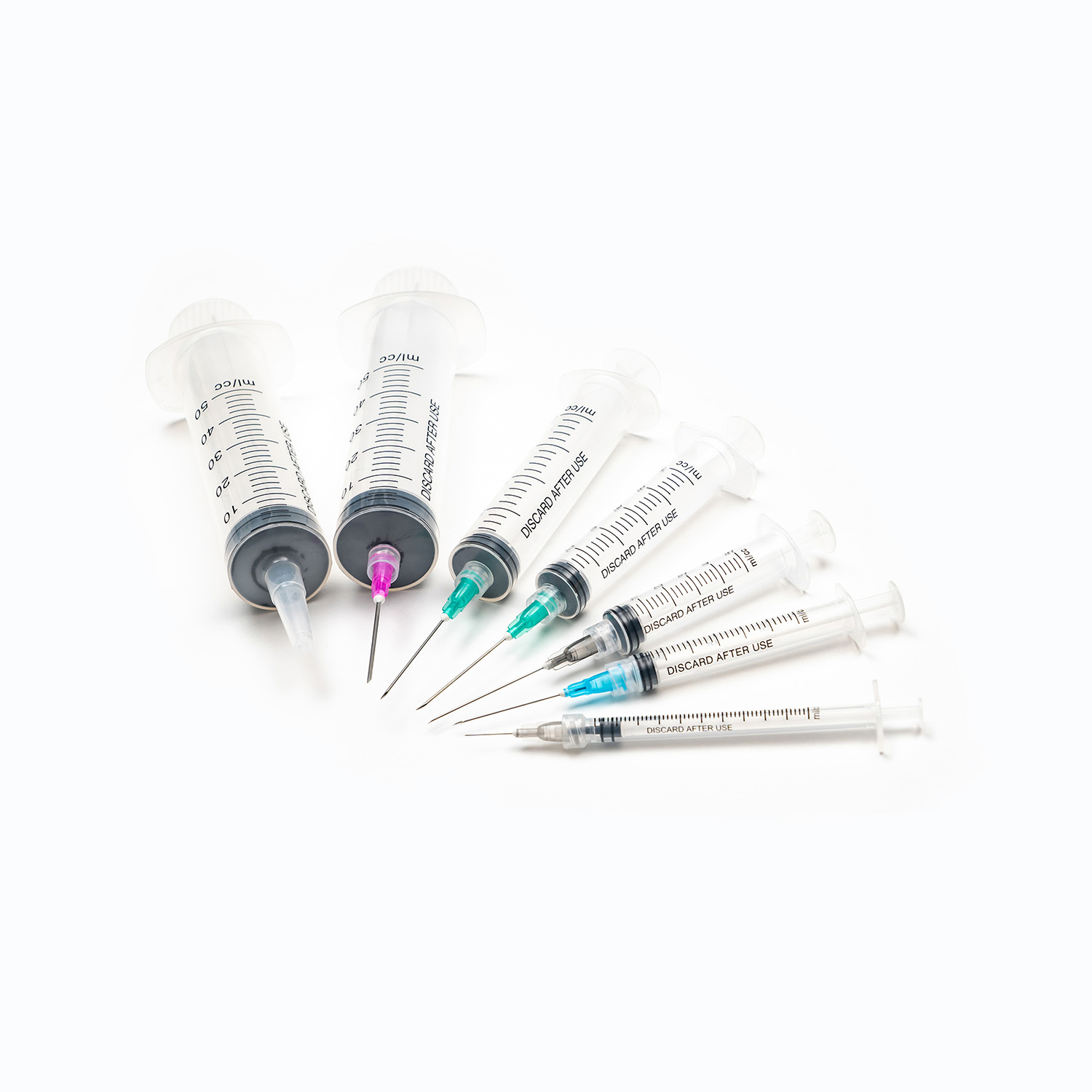
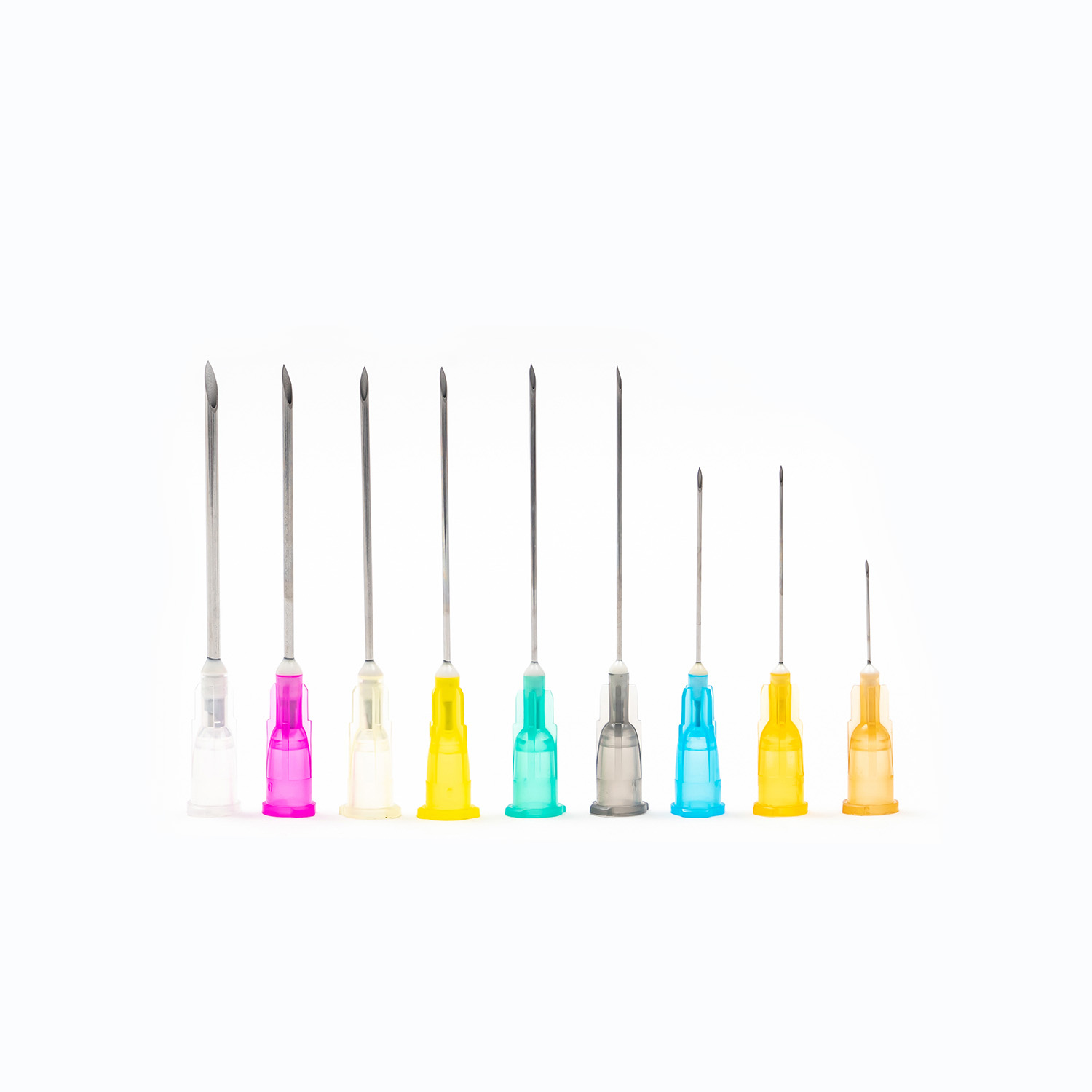
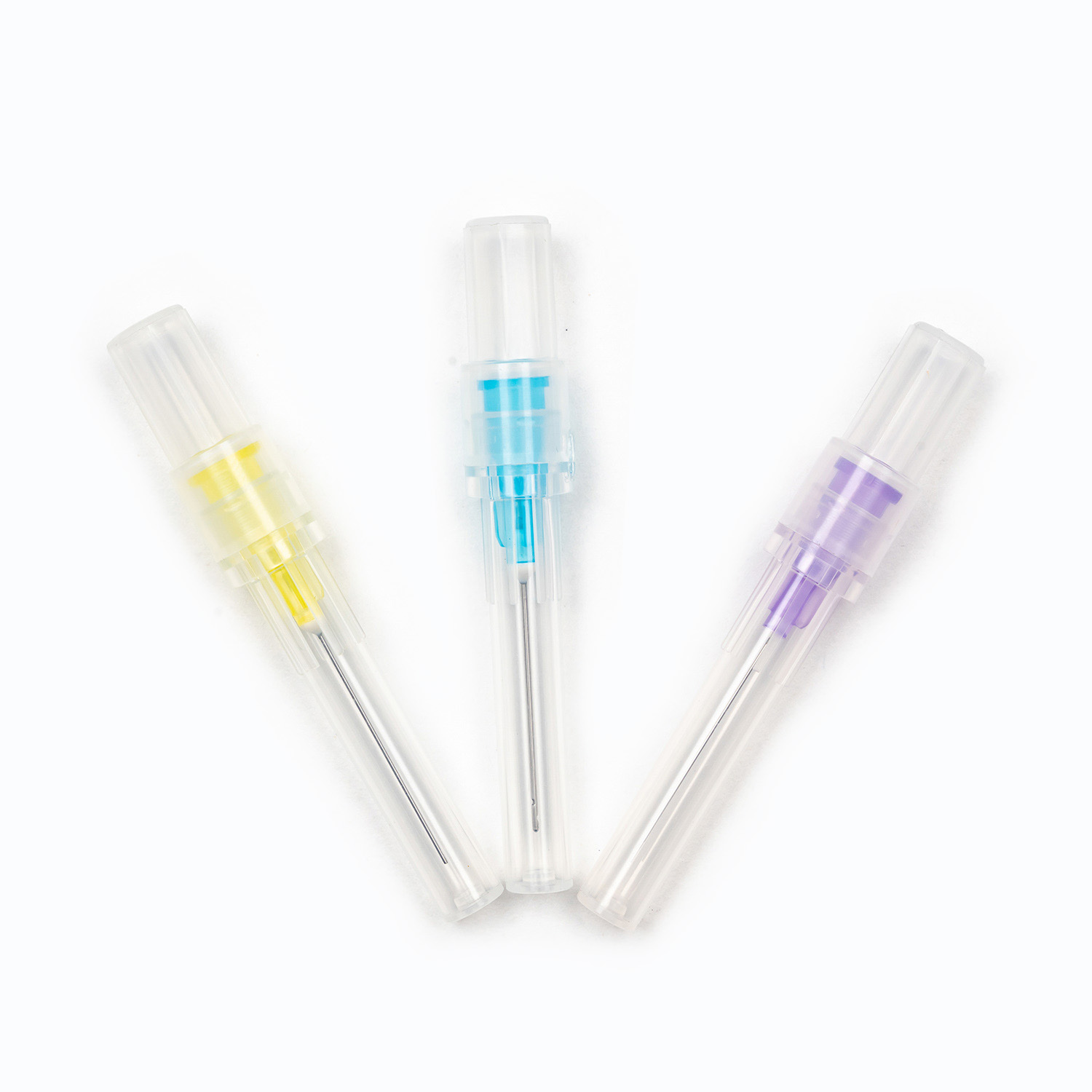
A dental needle generally refers to a medical needle used for local anesthesia in dentistry, consisting of a syringe connector, needle hub, needle tube, and needle tip. It is mainly used in conjunction with dental anesthetics, achieving rapid local anesthesia of the gums, alveolar bone, or surrounding tissues through precise injection. In dental treatment, the quality of the dental needle directly affects the smoothness of the injection procedure, the patient's pain experience, and the stability of the anesthetic effect; therefore, its design and manufacturing must adhere to strict medical standards.
Professional Refinement in Specifications and Structural Design
High-quality dental needles exhibit meticulous attention to detail in specifications, tip polishing, hub material selection, and inner diameter matching. To accommodate anesthesia procedures at different sites, manufacturers typically offer dental needles in various lengths and outer diameters. Furthermore, the triangular cutting process at the needle tip significantly enhances puncture smoothness, minimizes soft tissue damage, and effectively reduces needle prick pain. With advancements in medical materials technology, stainless steel needle tubes are increasingly exhibiting higher hardness and less deformation, thereby improving safety and control during clinical procedures.
Safety and Product Standards of Dental Needles
Safety is paramount in the production and use of medical devices. High-quality dental needles typically use medical-grade stainless steel as the tube material, possessing excellent corrosion resistance and tissue compatibility. They undergo aseptic sterilization processes to ensure full compliance with international quality certification standards such as ISO, CE, and FDA. Many products also incorporate an anti-dislodgement hub design to reduce iatrogenic accidents caused by needle detachment. Driven by the trend towards disposable medical devices, disposable dental needles have become the standard choice for most dental clinics and hospitals, effectively controlling cross-infection.
Applications of Dental Needles in Local Anesthesia
The application of dental needles is not limited to routine tooth extractions, root canals, and periodontal cleaning; they can also be used for facial nerve blocks, minor maxillofacial surgeries, and even implant restorations. Different injection sites require different needle lengths, angles, and even needle sharpness. Especially in complex surgical scenarios, dentists are more sensitive to needle manipulation, injection resistance, and backflow perception. Therefore, the dental needle plays a crucial role not only as a delivery instrument but also as a key carrier of treatment confidence and operational comfort.
Modern Dental Needle Development Trends and Innovation Directions
With the advancement of the concepts of "minimally invasive dentistry" and "digital dentistry," the development of dental needles is increasingly focusing on patient-friendliness and operational safety. For example, the new needle body employs a special coating technology, resulting in smoother tissue puncture; the ultra-lightweight needle hub and ergonomic interface structure facilitate precise operator control.

The Dental Needle bears a heavy responsibility for medical safety and patient experience. It embodies the modern medical principle that "details determine success or failure," showcasing the technological investment and human-centered design principles behind high standards in medical devices. With the continuous integration of market demand and technological innovation, it is believed that the Dental Needle will continue to be widely used globally, safeguarding every minimally invasive, precise, and comfortable dental treatment process, and achieving a more efficient and safer connection between clinicians and patients.
Address
Dingtao District (Yantai) Industrial Park, Shandong Province, China


Products
Mobile Site
