


 English
 Français
 русский
 Español
How did Dental Needle transform from stainless steel raw material into a sterile medical consumable?
Feb 15,2026
1. Overview of Dental Needle in Clinical and Commercial Use
A Dental Needle is a precision-engineered medical consumable designed for the controlled delivery of local anesthetics in dental procedures. For B2B buyers, understanding its mechanical properties, material integrity, and compliance standards is critical for ensuring clinical safety and operational efficiency.
- Used in infiltration, nerve block, and periodontal anesthesia
- Designed for single-use to minimize cross-contamination risks
- Manufactured under strict sterile and dimensional tolerances
2. dental anesthesia needle gauge: Engineering Logic and Clinical Impact
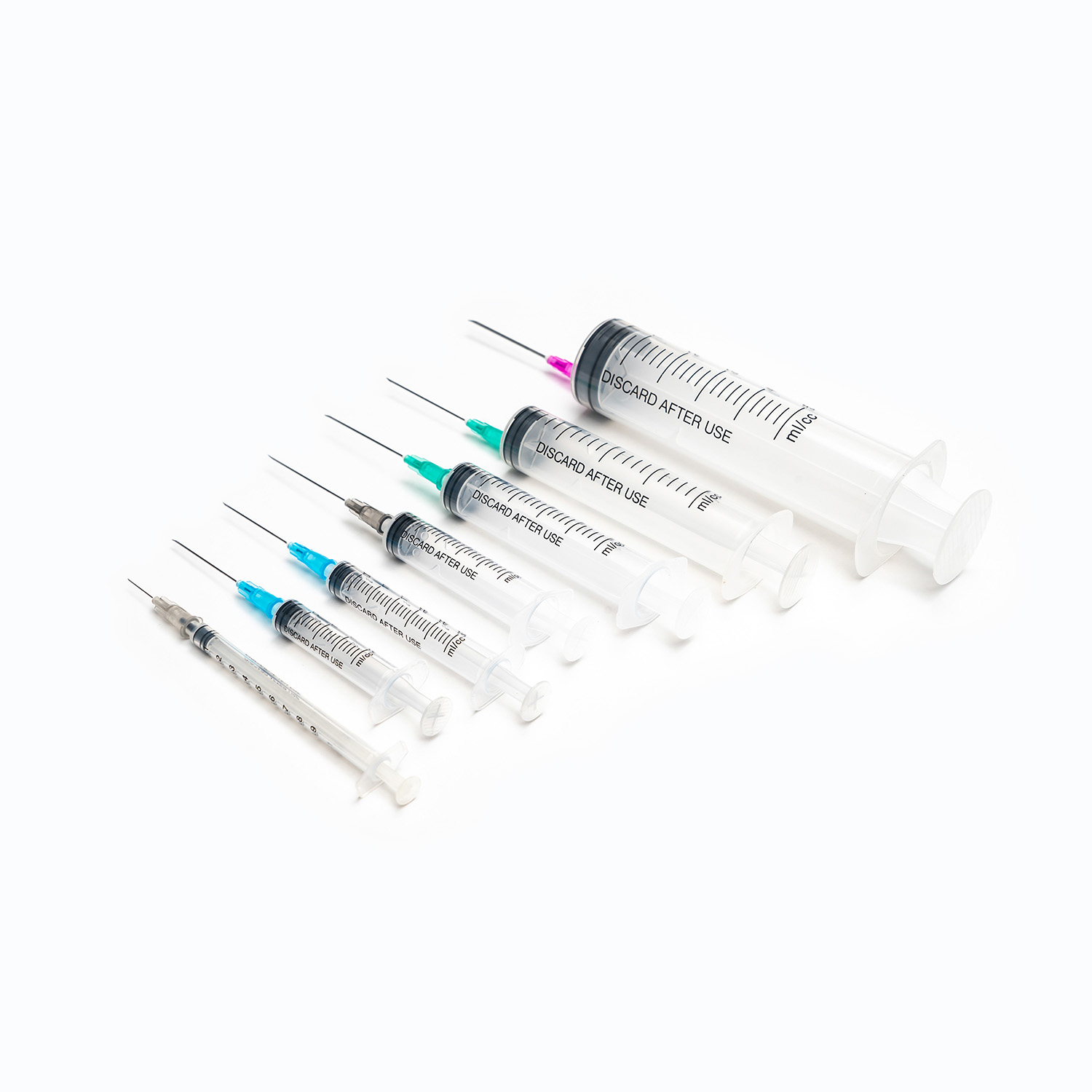
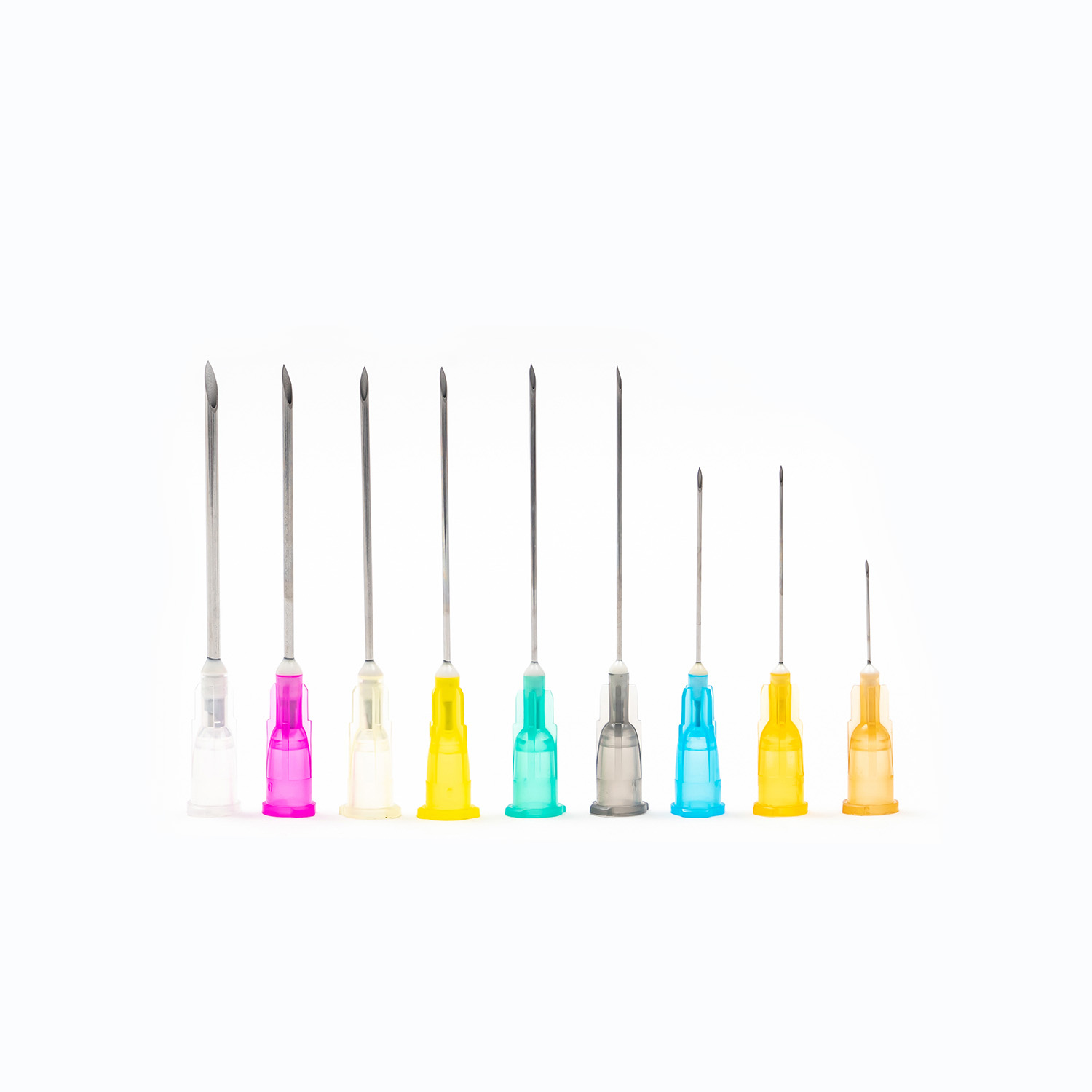
The dental anesthesia needle gauge directly affects penetration force, flow rate, and patient comfort. Lower gauge values indicate thicker needles, which improve flow efficiency but may increase tissue resistance.
From an engineering standpoint, needle gauge selection is a balance between mechanical rigidity and minimal tissue trauma.
| Gauge | Mechanical Characteristics | Typical Clinical Application |
| 25G | High rigidity, faster anesthetic flow | Inferior alveolar nerve block |
| 27G | Balanced stiffness and comfort | General infiltration anesthesia |
| 30G | Thinner diameter, reduced penetration resistance | Palatal and intraligamental injections |
3. dental needle length selection for Different Procedures
Proper dental needle length selection ensures accurate anesthetic delivery while minimizing deflection and breakage risk. Length impacts insertion depth and needle stability.
| Length Type | Standard Length | Recommended Use Case |
| Short | 20–25 mm | Maxillary infiltration |
| Long | 32–35 mm | Nerve block anesthesia |
4. disposable dental injection needle: Safety, Materials, and Compliance
A disposable dental injection needle is designed for one-time use to eliminate cross-infection risks. From a procurement perspective, material composition and sterilization reliability are key evaluation points.
- Medical-grade stainless steel cannula
- Silicone-coated surface for reduced penetration resistance
- Single-use design aligned with infection control regulations
| Feature | Engineering Purpose | Procurement Value |
| Silicone coating | Lower insertion force | Improved clinical feedback |
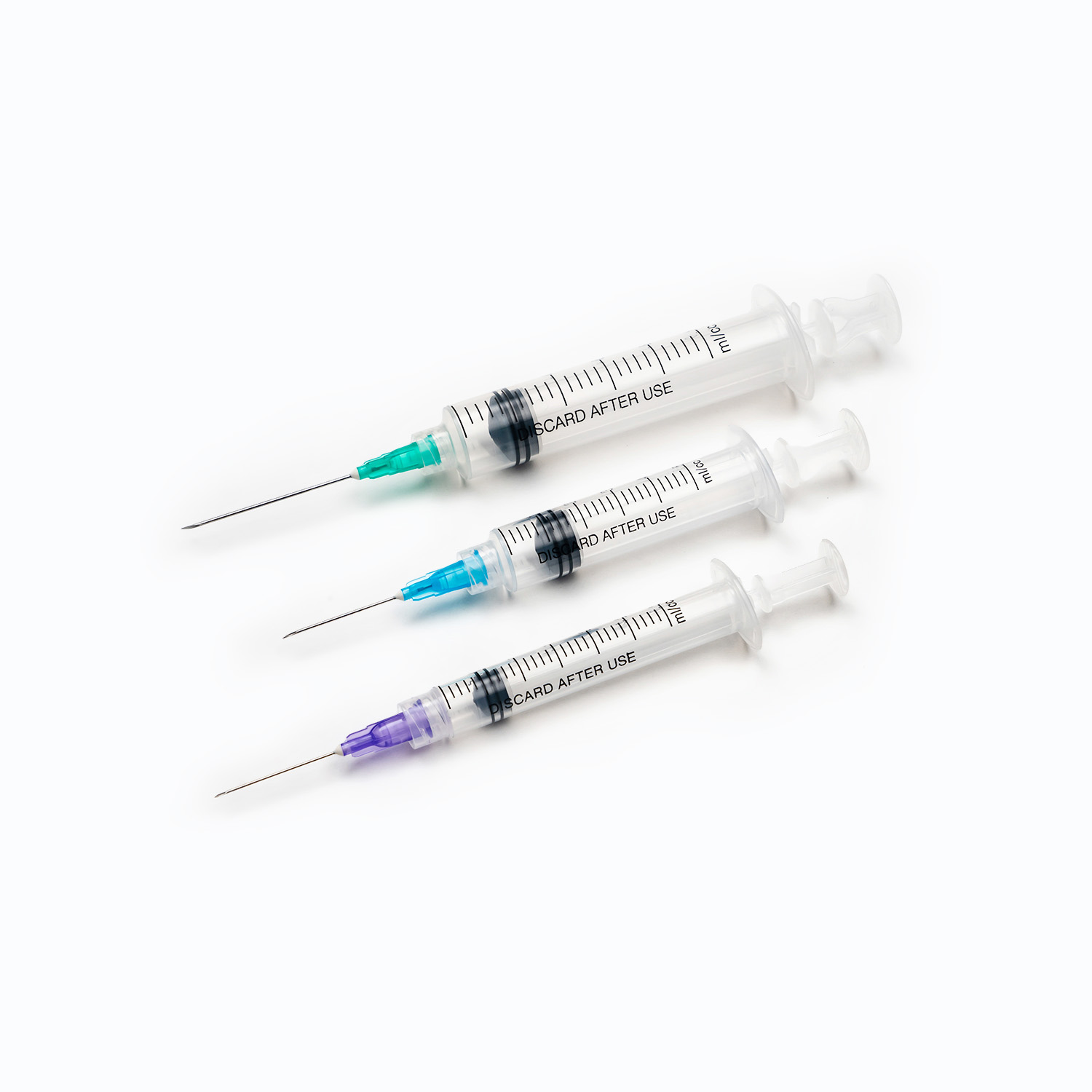
| Color-coded hub | Gauge identification | Error reduction |
5. sterile dental needle specifications and Quality Control Standards
sterile dental needle specifications define acceptable tolerances for sterility assurance, dimensional accuracy, and material purity. These specifications are typically validated through batch-level inspection and certification.
- EO or gamma sterilization methods
- Sterility assurance level (SAL) of 10⁻⁶
- Leakage, penetration, and hub bonding tests
| Specification Item | Test Method | Acceptance Criteria |
| Sterility | Biological indicator test | No microbial growth |
| Needle strength | Bending resistance test | No permanent deformation |
6. dental needle manufacturing process: From Raw Material to Final Inspection
The dental needle manufacturing process follows a multi-stage controlled workflow to ensure consistency, sharpness, and sterility.
- Precision tube drawing and cutting
- Multi-angle bevel grinding
- Ultrasonic cleaning and silicone coating
- Sterilization and automated packaging
| Manufacturing Stage | Technical Focus | Risk Control |
| Bevel grinding | Tip sharpness consistency | Reduced tissue trauma |
| Sterilization | Microbial elimination | Infection prevention |
7. Procurement Considerations for B2B Buyers and Distributors
When sourcing Dental Needle products, professional buyers should evaluate both engineering parameters and supply chain reliability.
- Gauge and length portfolio compatibility
- Batch traceability and documentation
- Regulatory conformity and inspection transparency
Frequently Asked Questions (FAQ)
1. How does dental anesthesia needle gauge affect anesthetic flow?
Lower gauge needles allow faster anesthetic delivery due to larger internal diameters.
2. Why is dental needle length selection critical for nerve blocks?
Incorrect length may cause insufficient anesthetic reach or increased deflection risk.
3. Are disposable dental injection needles mandatory in modern clinics?
Yes, single-use designs are standard for infection control and regulatory compliance.
4. What defines sterile dental needle specifications?
They include sterility assurance level, material purity, and mechanical strength thresholds.
5. How does the dental needle manufacturing process impact quality?
Precision grinding, coating, and sterilization directly influence sharpness and safety.
Address
Dingtao District (Yantai) Industrial Park, Shandong Province, China


Products
Mobile Site
