


 English
 Français
 русский
 Español
Faced with various sizes of blood lancet needles, should you choose a thicker or thinner one?
May 22,2026
Blood lancet needles are indispensable single-use medical devices designed for capillary blood sampling, serving as the primary interface between diagnostic testing and patient comfort. Their primary purpose is to create a micro-puncture in the skin to obtain a small blood specimen, which is essential for rapid diagnostic tests. The effectiveness of a blood lancet needle is determined by its ability to minimize pain, prevent infection, and yield an adequate blood volume, making proper selection and usage critical for both clinical and home healthcare environments.
Without these precision instruments, the widespread management of chronic conditions and the rapid point-of-care testing paradigm that exists today would be impossible. They are the silent enablers of modern decentralized healthcare, allowing individuals to monitor their physiology in real-time. Understanding their design, safety features, and correct application is not merely a matter of convenience but a fundamental requirement for accurate diagnostic outcomes and infection control.
Core Design and Structural Anatomy
The engineering behind a blood lancet needle is far more sophisticated than it appears. It is specifically optimized to penetrate the upper dermal layers with minimal tissue disruption. The structural components work in tandem to ensure a consistent, clean puncture that promotes natural blood flow without excessive squeezing, which can compromise the sample.
The Needle Point Geometry
The most critical aspect of the lancet is the point geometry. Unlike standard hypodermic needles that are beveled for injection, lancet needles utilize specific grind angles tailored for skin penetration. A popular and highly effective design is the tri-bevel cut, which creates an ultra-sharp point that slices cleanly through the skin rather than tearing it. This specific geometry significantly reduces nerve ending stimulation, thereby minimizing pain. The smoothness of the silicon coating applied during manufacturing further reduces friction, allowing for a swift and effortless puncture.
Gauge and Depth Correlation
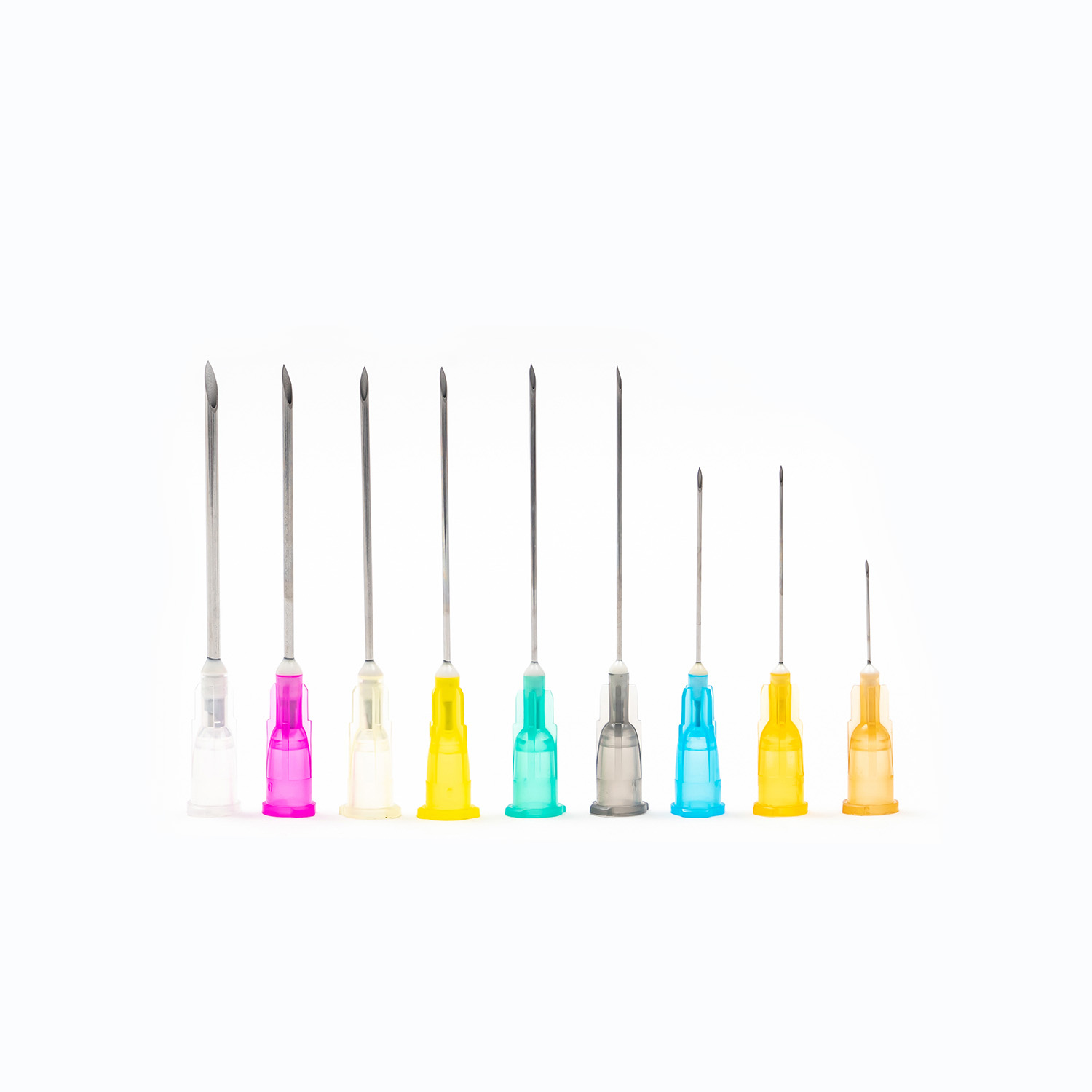
The gauge of a lancet needle indicates its thickness. Generally, a higher gauge number corresponds to a thinner needle. For capillary blood sampling, the gauge must be carefully balanced with the required penetration depth. If the needle is too thin but the depth is insufficient, the puncture may not reach the capillary bed, resulting in inadequate blood flow. Conversely, a needle that is too thick will create an unnecessarily large wound, increasing pain and healing time. The integration of the needle gauge with the lancing device's depth settings is what allows for a customized, effective sampling experience.
Primary Clinical and Home Applications
Blood lancet needles are utilized across a broad spectrum of healthcare settings, from intensive care units to personal residences. Their utility lies in the rapid acquisition of capillary blood, which closely correlates with arterial blood in terms of oxygen and glucose levels, making it highly reliable for specific tests.
Diabetes Self-Monitoring
The most ubiquitous application of blood lancet needles is in the daily management of diabetes. Patients rely on these devices multiple times a day to measure their blood glucose levels. The frequent nature of this testing demands a lancet that is as painless as possible to encourage compliance. Modern lancets designed for diabetes management prioritize ultra-sharpness and minimal penetration depth to obtain the required micro-liter volume of blood, ensuring that routine testing does not become an unbearable burden.
Neonatal and Pediatric Screening
In neonatal care, particularly for heel-stick tests required for newborn screening, specialized blood lancet needles are mandatory. The heel prick is a delicate procedure because the infant's skin is soft, and the capillaries are close to the surface, but excessive depth can risk damaging the heel bone. Specialized safety lancets with fixed, shallow penetration depths are used to ensure a precise puncture that yields enough blood for screening panels while protecting the delicate structure of the infant's heel. These devices automatically retract the needle immediately after use, eliminating the risk of cross-contamination.
Rigorous Safety Protocols and Sterilization
Because blood lancet needles penetrate the skin and come into direct contact with bodily fluids, safety and sterilization are paramount. The risk of transmitting blood-borne pathogens or causing localized infections is significant if protocols are violated.
Single-Use Mandate and Cross-Contamination
Blood lancet needles are strictly designed for single use. Reusing a lancet, even by the same individual, is highly discouraged. After the initial puncture, the needle's silicon coating wears off, and the ultra-sharp bevel becomes dulled and potentially barbed. A reused needle will tear the skin rather than slice it, causing increased pain and slower wound healing. Furthermore, any residual blood on the needle can harbor bacteria, leading to localized infections. In multi-patient scenarios, sharing lancets or lancing devices is a severe violation of medical safety, potentially leading to the transmission of serious blood-borne viruses.
Gamma Radiation Sterilization
To ensure absolute sterility, manufacturing facilities subject blood lancet needles to rigorous sterilization processes, most commonly gamma irradiation. This process uses high-energy photons to penetrate the packaging and destroy the DNA of any microorganisms, ensuring the lancet is entirely free of bacteria, viruses, and spores. The packaging, typically a sealed twist-top or pull-tab compartment, is designed to maintain this sterility until the moment of use. Any compromise to the packaging renders the lancet unsafe for clinical application.
Comprehensive Selection Criteria
Choosing the correct blood lancet needle requires evaluating the patient's physiological characteristics and the specific testing requirements. A one-size-fits-all approach leads to inadequate samples or unnecessary pain.
| Patient Category | Recommended Gauge Range | Penetration Depth | Primary Consideration |
|---|---|---|---|
| Adults (Routine Glucose) | High Gauge (Thin) | Adjustable (Shallow to Medium) | Pain minimization and compliance |
| Children and the Elderly | High Gauge (Thin) | Shallow | Delicate skin and capillary access |
| Neonates (Heel Stick) | Low Gauge (Specific Safety Lancet) | Fixed Very Shallow | Preventing bone contact |
| Patients with Calloused Skin | Lower Gauge (Thick) | Deep | Achieving adequate blood flow |
Evaluating Testing Volume Requirements
Different diagnostic tests require different volumes of blood, which directly impacts the choice of the lancet. A simple blood glucose meter may only require a tiny droplet, which can be easily obtained with a high-gauge, shallow-penetration lancet. However, more comprehensive point-of-care panels, such as lipid profiles or hemoglobin A1c tests conducted via capillary sampling, demand a larger blood volume. In these cases, a slightly thicker needle or a deeper penetration setting is necessary to ensure the capillary bed is sufficiently accessed without the need for aggressive milking of the finger, which can hemolyze the sample and distort the results.
Proper Technique and Sampling Best Practices
Even the most advanced blood lancet needle will fail to yield a good sample if the puncture technique is flawed. The physiological state of the patient and the location of the puncture are critical variables that must be controlled to ensure an adequate, clean capillary blood sample.
Optimal Puncture Sites
For adults and older children, the lateral aspects of the fingertips are the preferred puncture sites. This area contains a dense network of capillaries but fewer nerve endings compared to the central pad of the fingertip. Puncturing the very center of the fingertip is not only more painful but also increases the risk of hitting a deeper structure. It is vital to rotate puncture sites between fingers to prevent the development of calluses and chronic pain. For infants under one year of age, the fingertips are too small and delicate; the heel is the approved site, utilizing a specialized heel lancet.
Preparing the Site and Promoting Flow
Proper preparation is essential for both accurate results and patient comfort. Hands should be washed with warm, soapy water, which serves a dual purpose: it removes contaminants that could alter the test result, and the warmth promotes vasodilation, increasing blood flow to the extremities. Before lancing, the finger should be massaged gently from the base to the tip to encourage blood engorgement. After the puncture, the first drop of blood should be wiped away, as it contains tissue fluid that can dilute the sample and skew readings. Subsequent drops, formed by gentle pressure, are ideal for testing.
Disposal and Environmental Considerations
The disposal of used blood lancet needles is a critical public health and environmental issue. Because they are classified as sharps, they pose a significant risk of needlestick injuries to sanitation workers and the general public if discarded improperly. Strict adherence to disposal regulations is a non-negotiable aspect of lancet usage.
Approved Sharps Containers
Used lancets must be placed immediately into an approved sharps disposal container. These containers are constructed of rigid, puncture-resistant plastic and feature a small opening that prevents hands from reaching inside. Under no circumstances should lancets be disposed of in regular household trash or flushed down the toilet. If a commercial sharps container is unavailable, a heavy-duty plastic container, such as a laundry detergent bottle, can be used as a temporary alternative, provided it is clearly labeled and securely sealed before disposal.
Community Disposal Programs
Many communities have established specific programs for the safe disposal of home-generated medical sharps. These programs include drop-off locations at hospitals, pharmacies, or designated hazardous waste facilities. Some areas also offer mail-back programs, where patients can securely package their used sharps and send them to a certified destruction facility. Utilizing these programs ensures that the blood lancet needles are incinerated or sterilized and shredded in a controlled environment, eliminating the risk of injury and environmental contamination.
Technological Advancements and Future Directions
The evolution of the blood lancet needle is ongoing, driven by the persistent goal of achieving painless, reliable capillary sampling. Technological advancements are focusing on minimizing tissue trauma, integrating safety features, and improving the overall patient experience.
Enhanced Safety Lancets
Integrated safety lancets represent a major leap forward. These devices combine the needle and the activation mechanism into a single, self-contained unit. The needle is hidden before and after use, deploying automatically when pressed against the skin and retracting instantly. The integration of automatic retraction mechanisms has drastically reduced the incidence of accidental needlestick injuries, making them the standard in high-risk clinical environments. These devices eliminate the need for a separate lancing device, reducing the risk of cross-contamination between patients.
Laser Lancing Alternatives
Looking toward the future, laser lancing technology is emerging as an alternative to traditional steel needles. A laser lancet uses a highly focused beam of light to vaporize a micro-channel in the skin, reaching the capillary bed without the use of a physical metal object. Because no physical penetration occurs, the perception of pain is significantly reduced, and the risk of physical cross-contamination is zero. While currently limited by higher costs and larger device sizes, continued miniaturization may eventually make laser lancing a mainstream option, fundamentally changing the paradigm of capillary blood sampling.
Overcoming Psychological Barriers to Testing
Beyond the physical design and clinical application of blood lancet needles, there is a significant psychological dimension that must be addressed. The fear of needles, known as trypanophobia, is a widespread issue that leads to poor testing compliance, particularly among children and newly diagnosed diabetic patients. The anxiety associated with the anticipated pain often causes patients to avoid necessary testing, resulting in poor disease management.
Desensitization and Modern Needle Design
The cosmetic design of modern lancets plays a subtle but important role in reducing anxiety. By hiding the needle from view and designing the lancing device to look more like a high-tech pen than a medical instrument, manufacturers help reduce the immediate visual trigger for fear. Furthermore, the rapid action of modern spring-loaded lancing devices ensures that the puncture is completed faster than the brain can register the sensation, effectively outpacing the pain response. When combined with proper site rotation and the use of ultra-thin, silicone-coated needles, the actual sensation can be reduced to a mild, momentary pressure, helping patients overcome their psychological barriers and adhere to essential testing regimens.
Address
Dingtao District (Yantai) Industrial Park, Shandong Province, China


Products
Mobile Site
