


 English
 Français
 русский
 Español
Which Type of Infusion Set Is Most Suitable for Different Clinical Uses?
May 15,2026
As a critical disposable medical device for intravenous infusion therapy, the infusion set realizes the safe and stable transmission of liquid medicines, nutrients, blood products, and other fluids from the container to the patient's vein, and is an indispensable basic tool in clinical medical treatment, first aid, postoperative recovery, and chronic disease management.
The core value of infusion sets lies in closed sterile transmission, which can effectively avoid the risk of infection caused by external bacteria and air entering the infusion pipeline, and at the same time control the infusion speed accurately to ensure the curative effect of drugs and the safety of patients. The correct selection, standardized use, and proper handling of infusion sets directly determine the smooth progress of infusion therapy and reduce the occurrence of adverse reactions.
In modern medical systems, infusion sets have covered almost all medical scenarios, including hospitals, clinics, emergency centers, home care, and field rescue. With the continuous iteration of medical technology, infusion sets have evolved from single-function basic models to diversified, specialized, and safe products, meeting the personalized treatment needs of different age groups, different diseases, and different infusion modes.
Basic Composition and Working Principle of Infusion Sets
Complete Structural Components of Infusion Sets
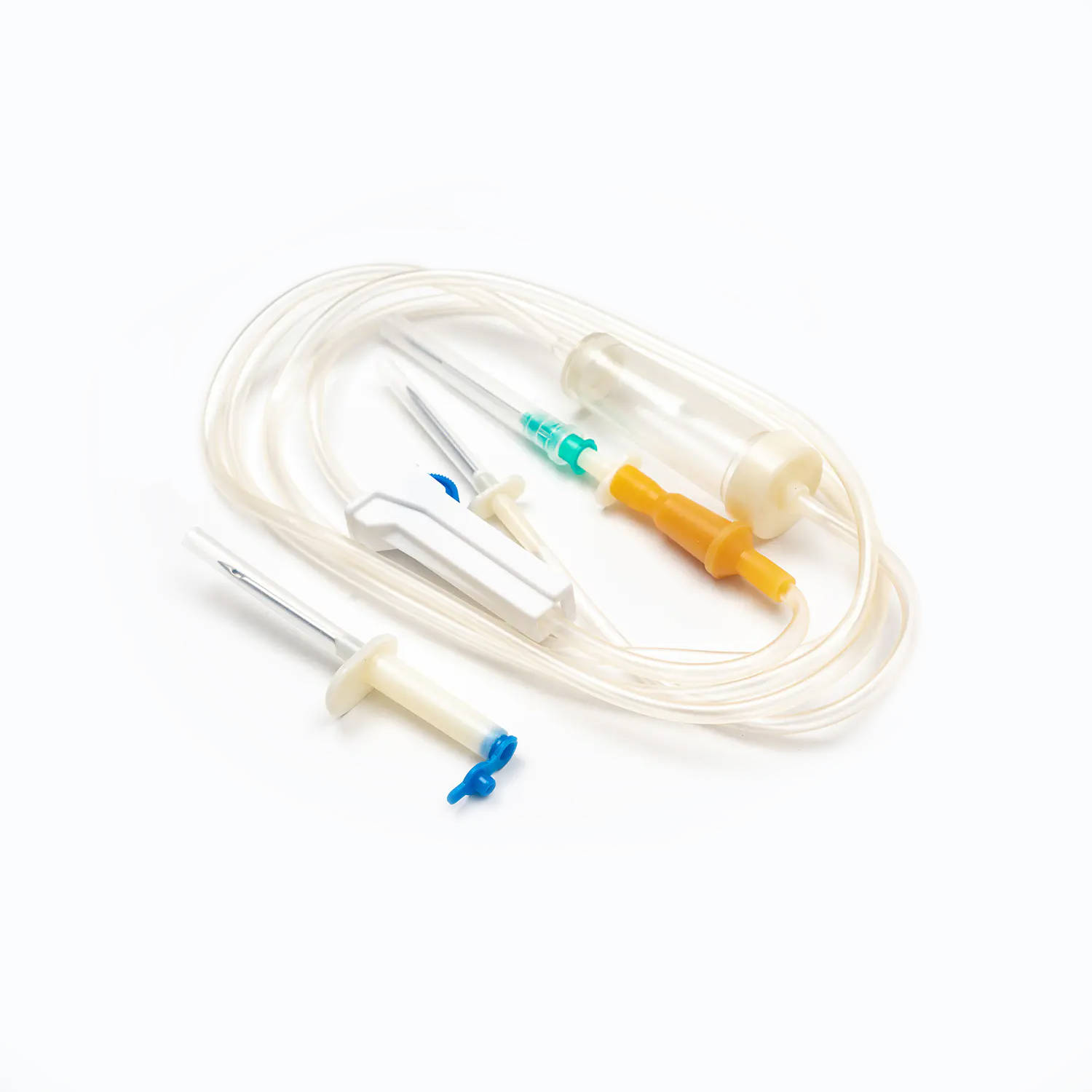
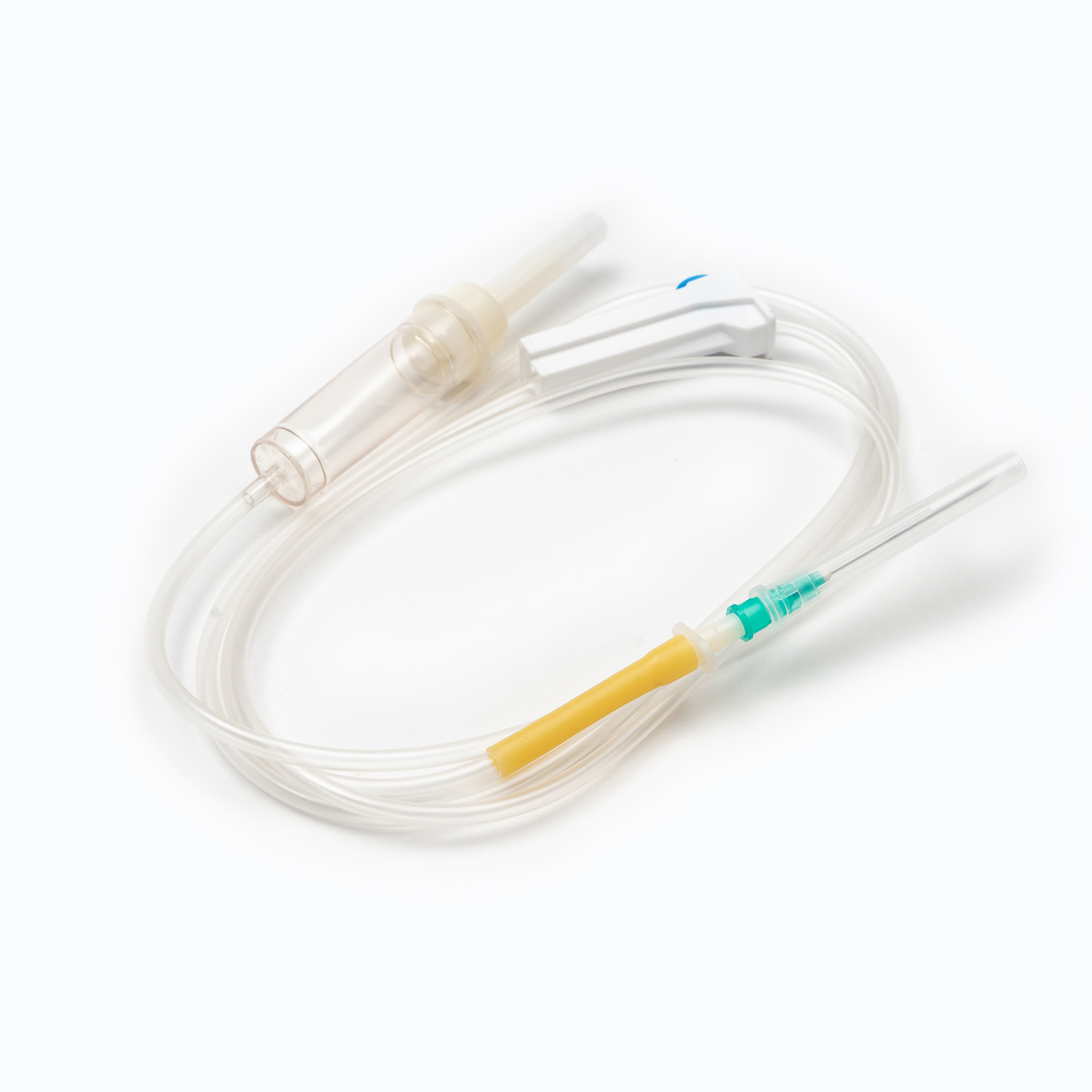
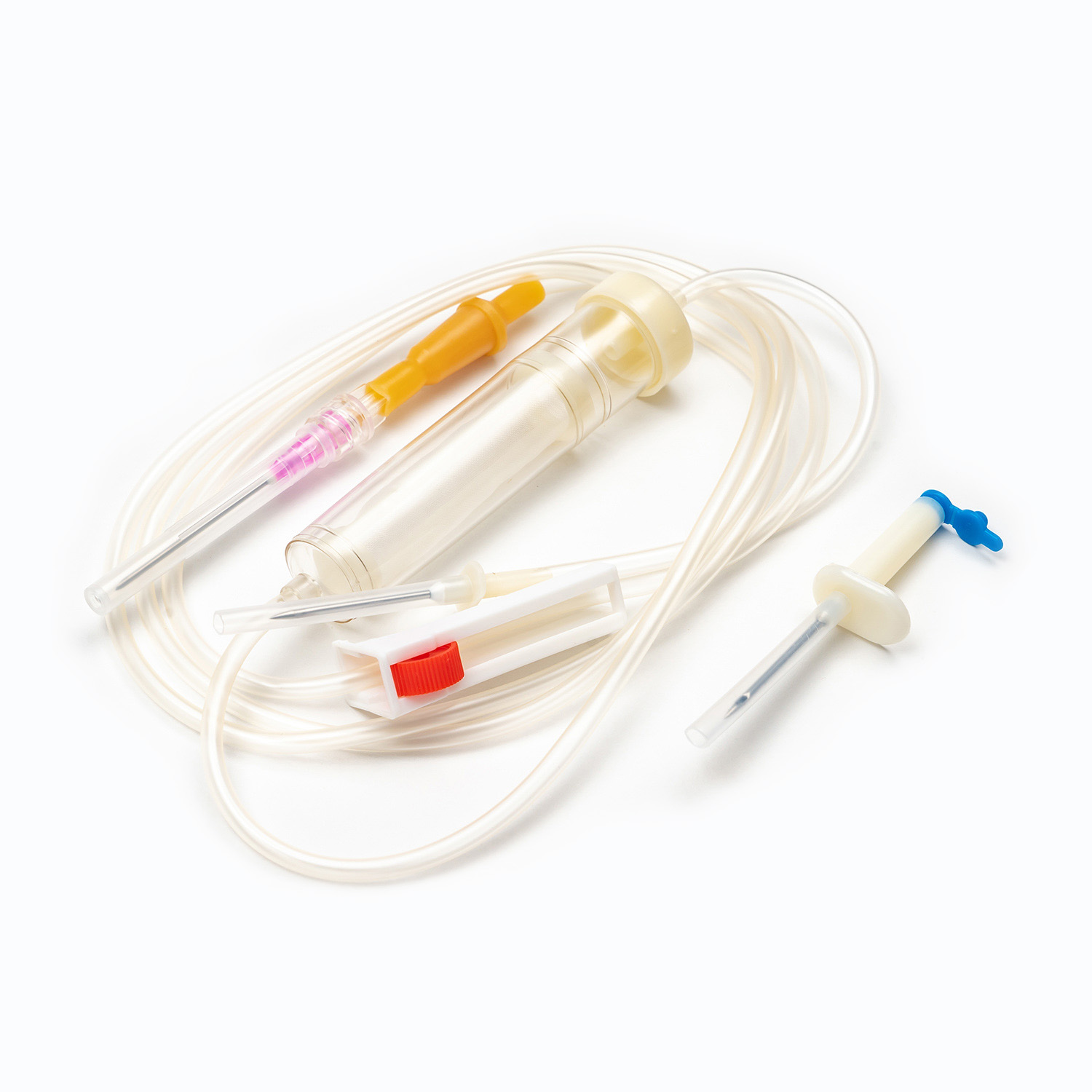
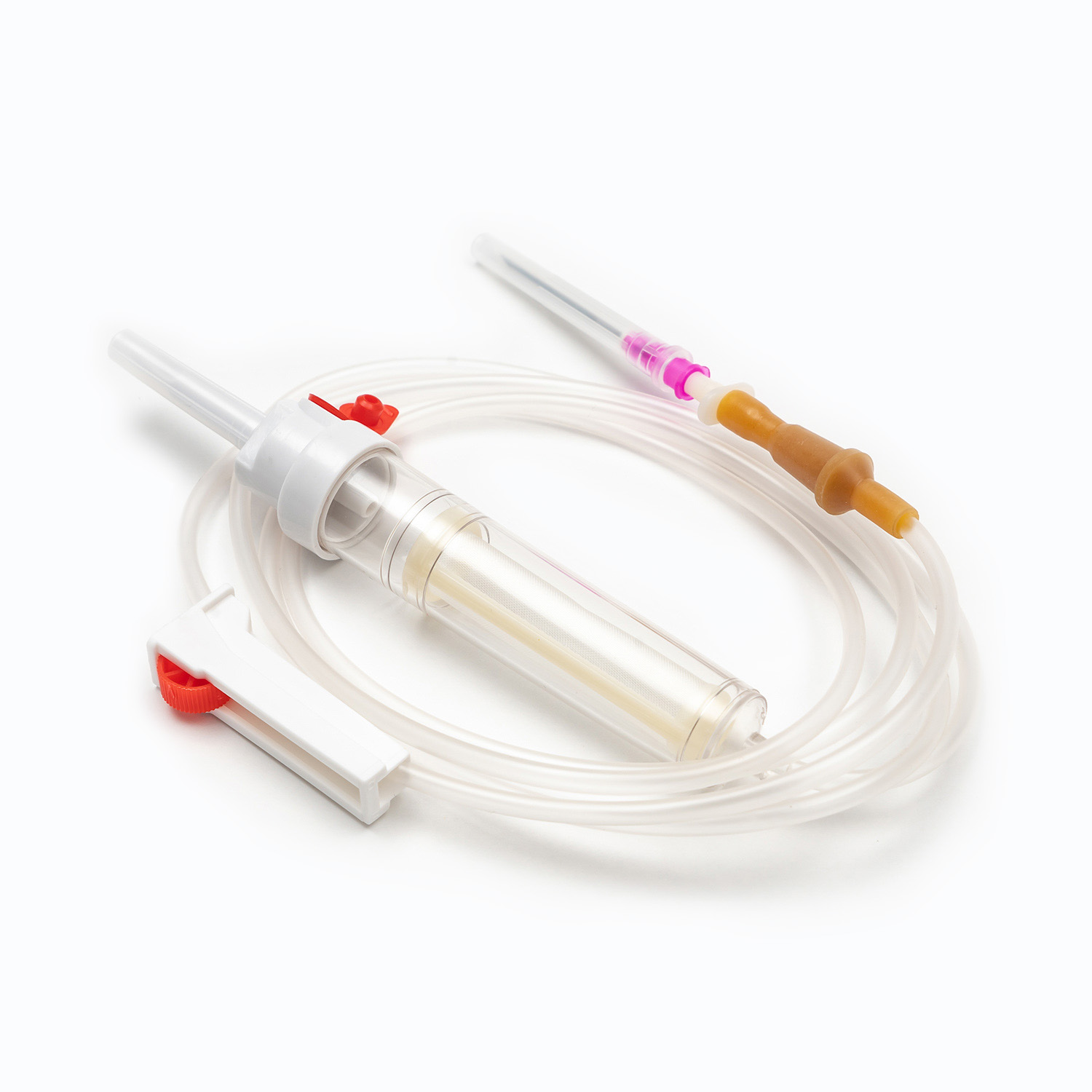
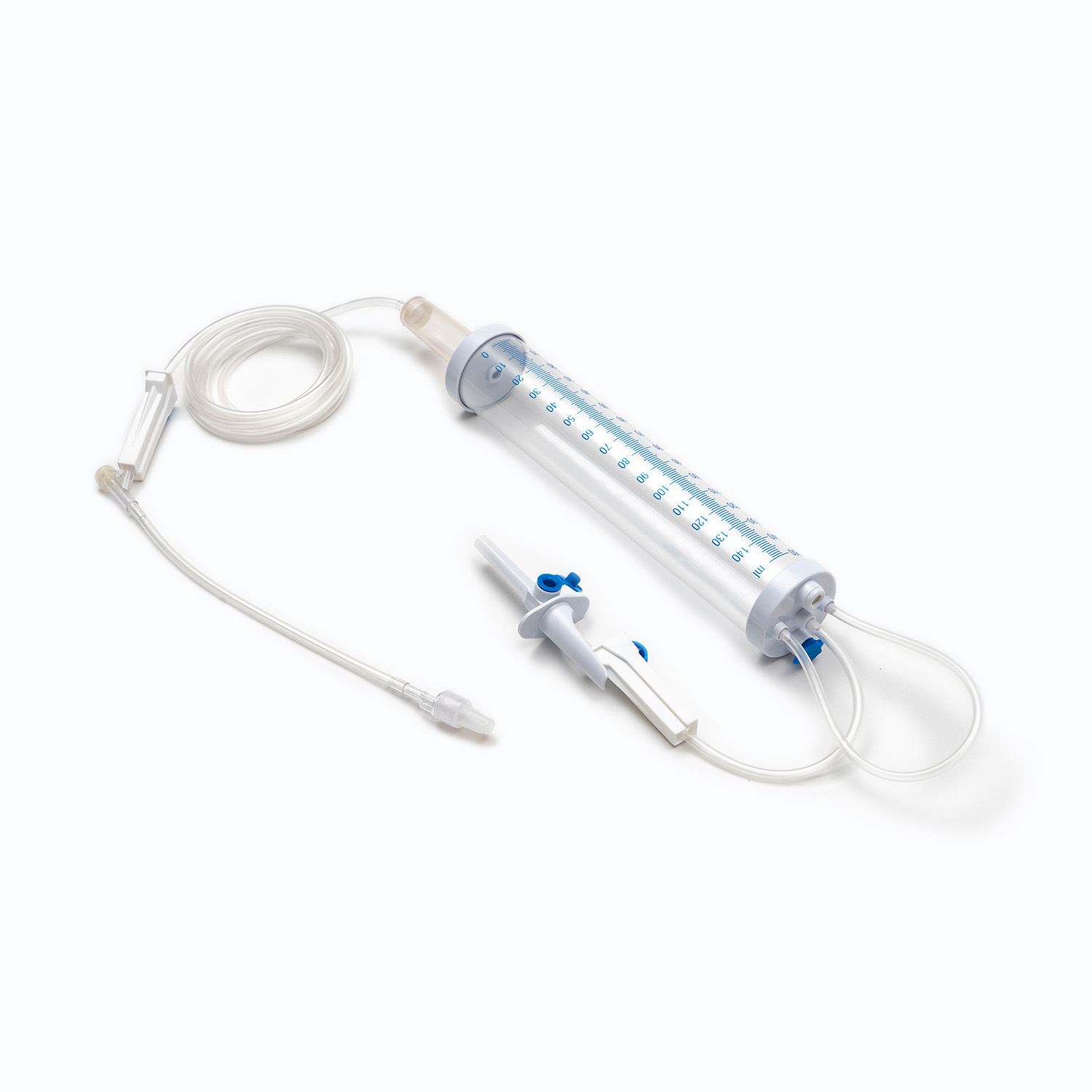
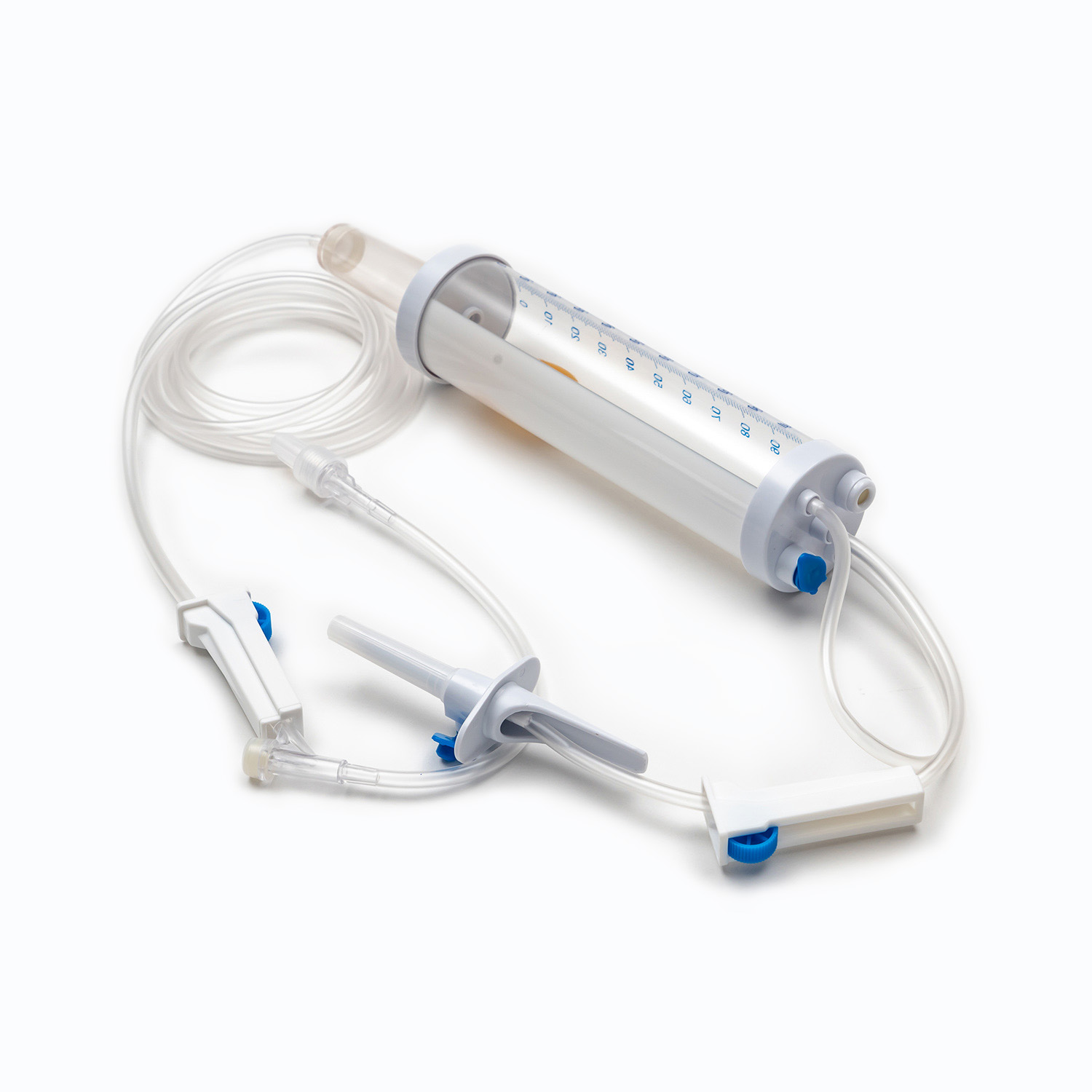
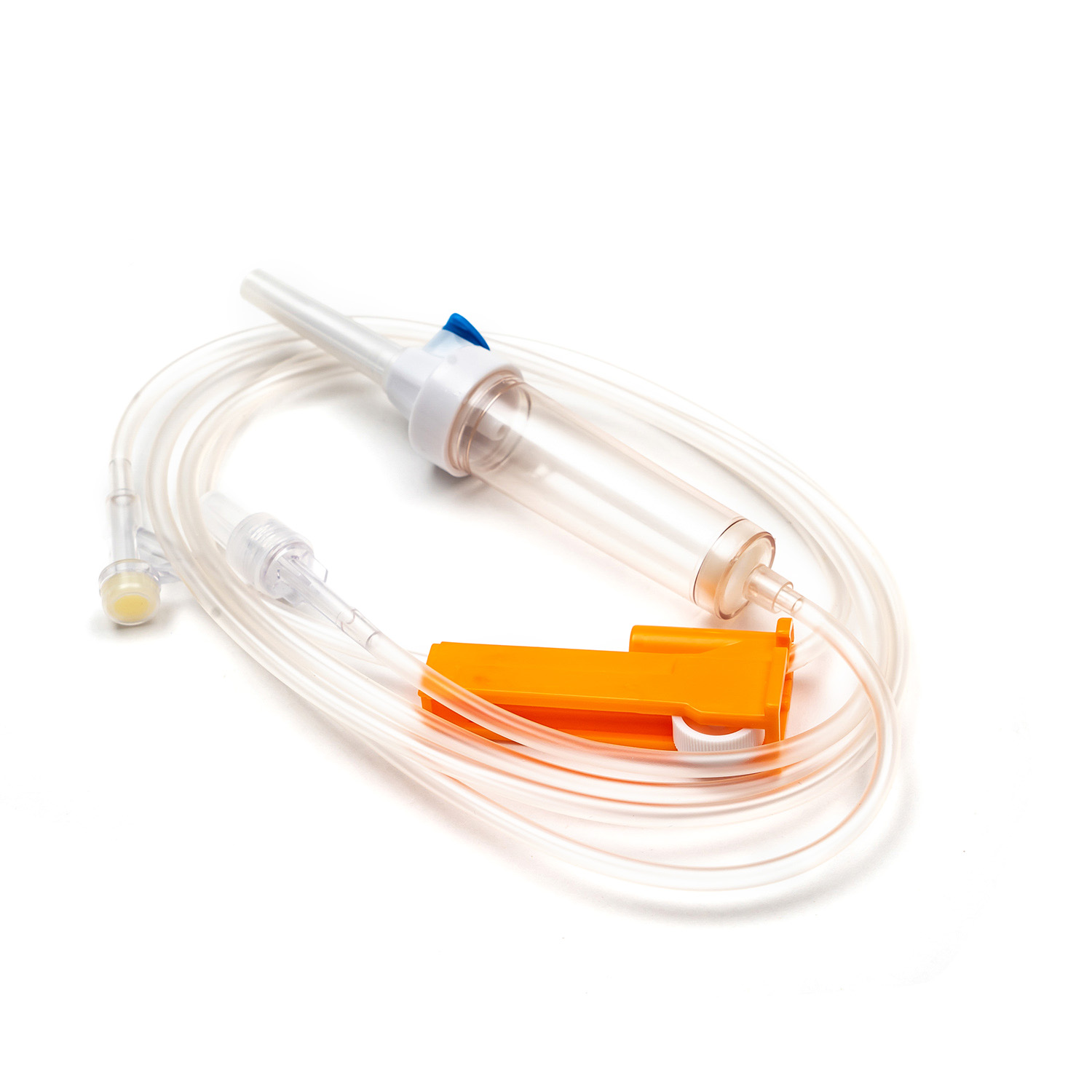
A standard qualified infusion set is composed of multiple interconnected parts, each of which has an independent function and cooperates with the others to complete the entire infusion process. The structural design fully complies with medical safety standards and ergonomic principles.
- Puncture needle: used to pierce the infusion container sealing cover, divided into metal and plastic materials, with an anti-blocking and anti-leakage design
- Air filter: filters bacteria and impurities in the air entering the infusion bottle, maintaining pressure balance inside and outside the container
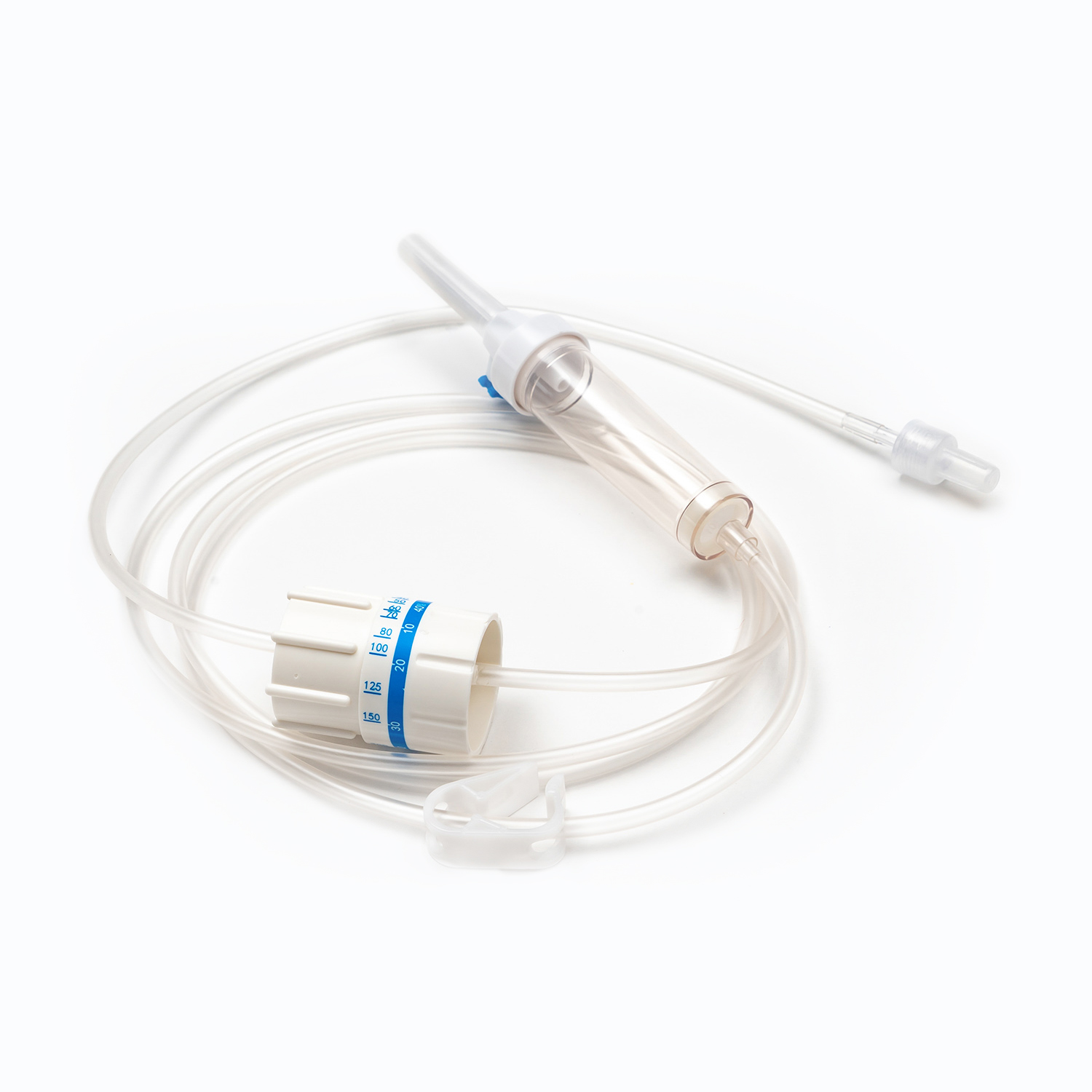
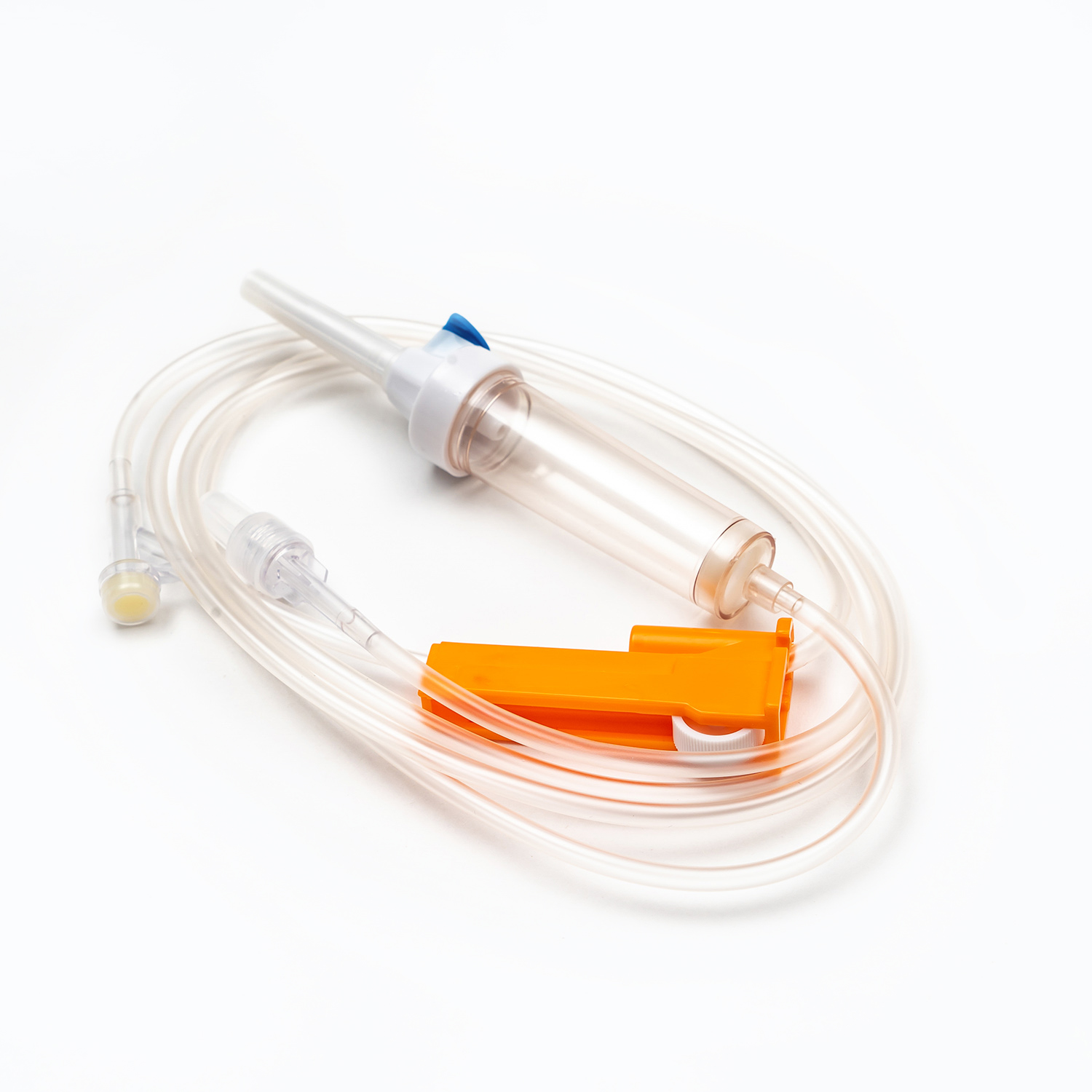
- Drip chamber: observes the number of drops per minute to control the infusion speed intuitively, and is the core reference part for speed adjustment
- Flow regulator: manually or automatically adjusts the flow rate of the liquid to meet the infusion requirements of different drugs and patients
- Liquid filter: filters micro-particles, impurities and undissolved drug crystals in the liquid, preventing vascular blockage
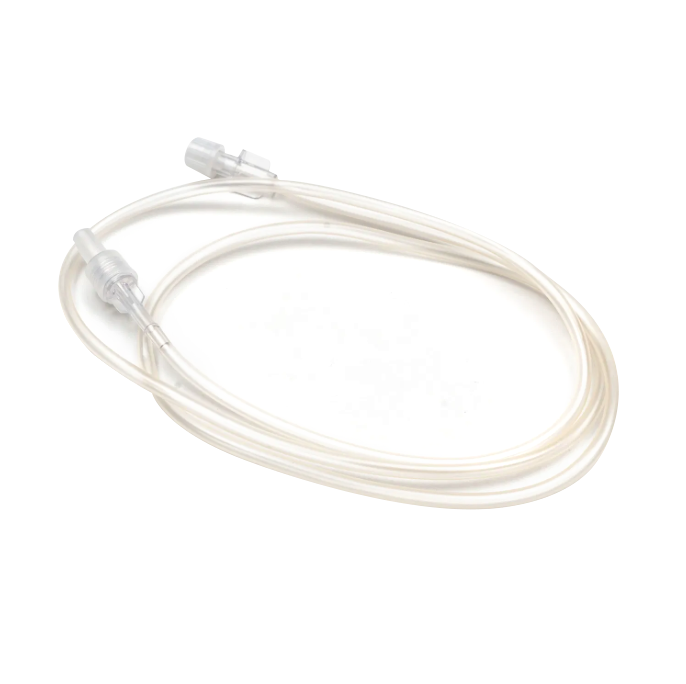
- Infusion tube: medical-grade flexible pipeline, resistant to extrusion and corrosion, ensuring the smooth flow of liquid
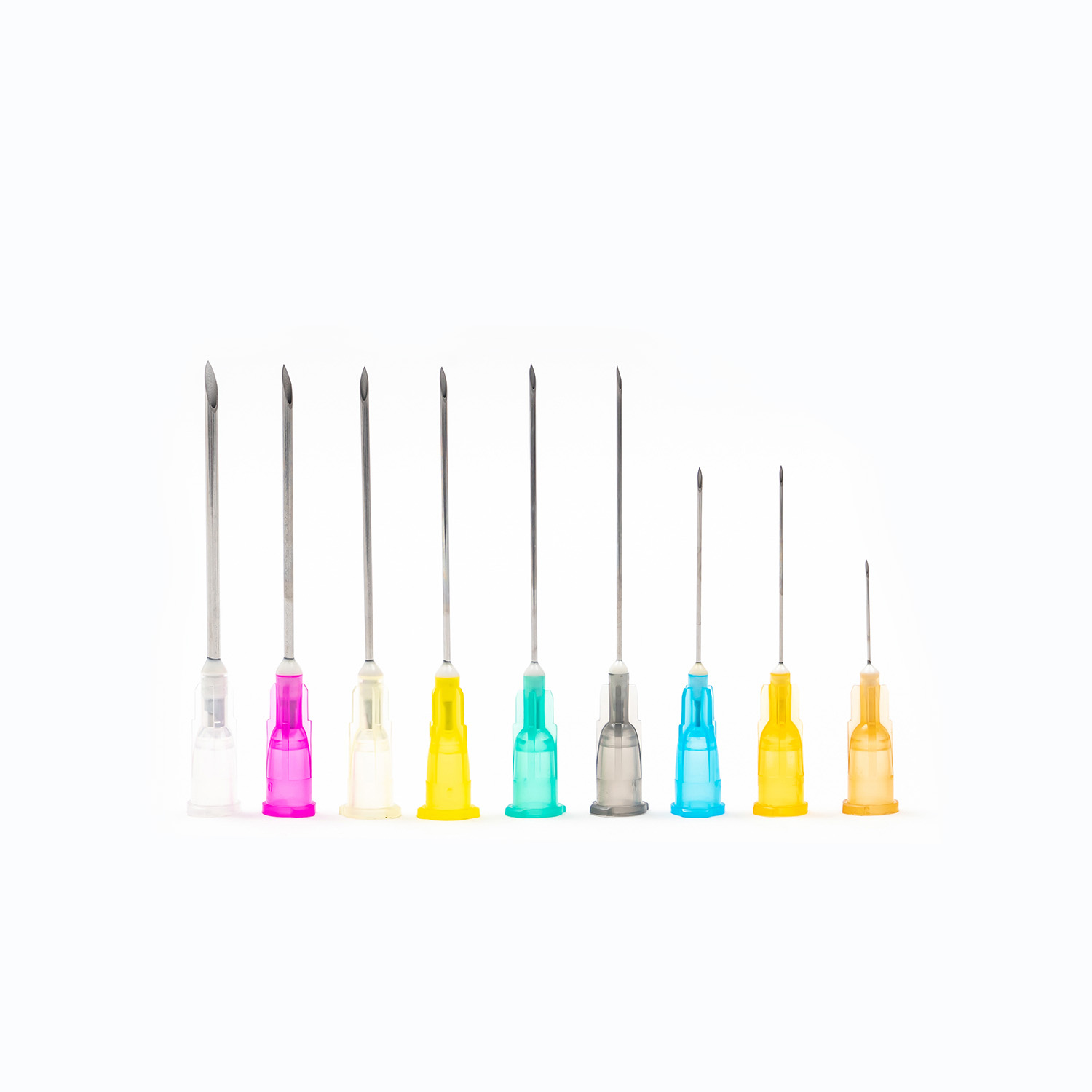
- Venous indwelling needle or ordinary needle: connects the infusion tube with the patient's vein, allowing the input of liquid into the body
Scientific Working Principle of Infusion Sets
The infusion set relies on gravity and pressure balance to realize liquid transmission. When the infusion container is hung at a certain height, the liquid flows into the drip chamber through the puncture needle under the action of gravity, and the air in the pipeline is discharged at the same time. After the pipeline is filled with liquid, the liquid enters the patient's vein through the filter, infusion tube, and venous needle.
The filter is the core safety component, which can intercept micro-particles larger than a specific size, reducing the risk of phlebitis and pulmonary embolism by more than 80% in clinical practice. The flow regulator controls the infusion speed by changing the cross-sectional area of the infusion tube, ensuring that the drug enters the human body at a constant speed and achieves the best therapeutic effect.
Classification and Application Scenarios of Infusion Sets
Classification by Functional Characteristics
According to different clinical needs, infusion sets are divided into multiple categories, each with unique performance and application limitations, and medical staff will select appropriate products according to the patient's condition and treatment plan.
| Type | Core Features | Main Application Scenarios |
|---|---|---|
| Basic infusion set | Simple structure, low cost, universal | Routine intravenous infusion, short-term treatment |
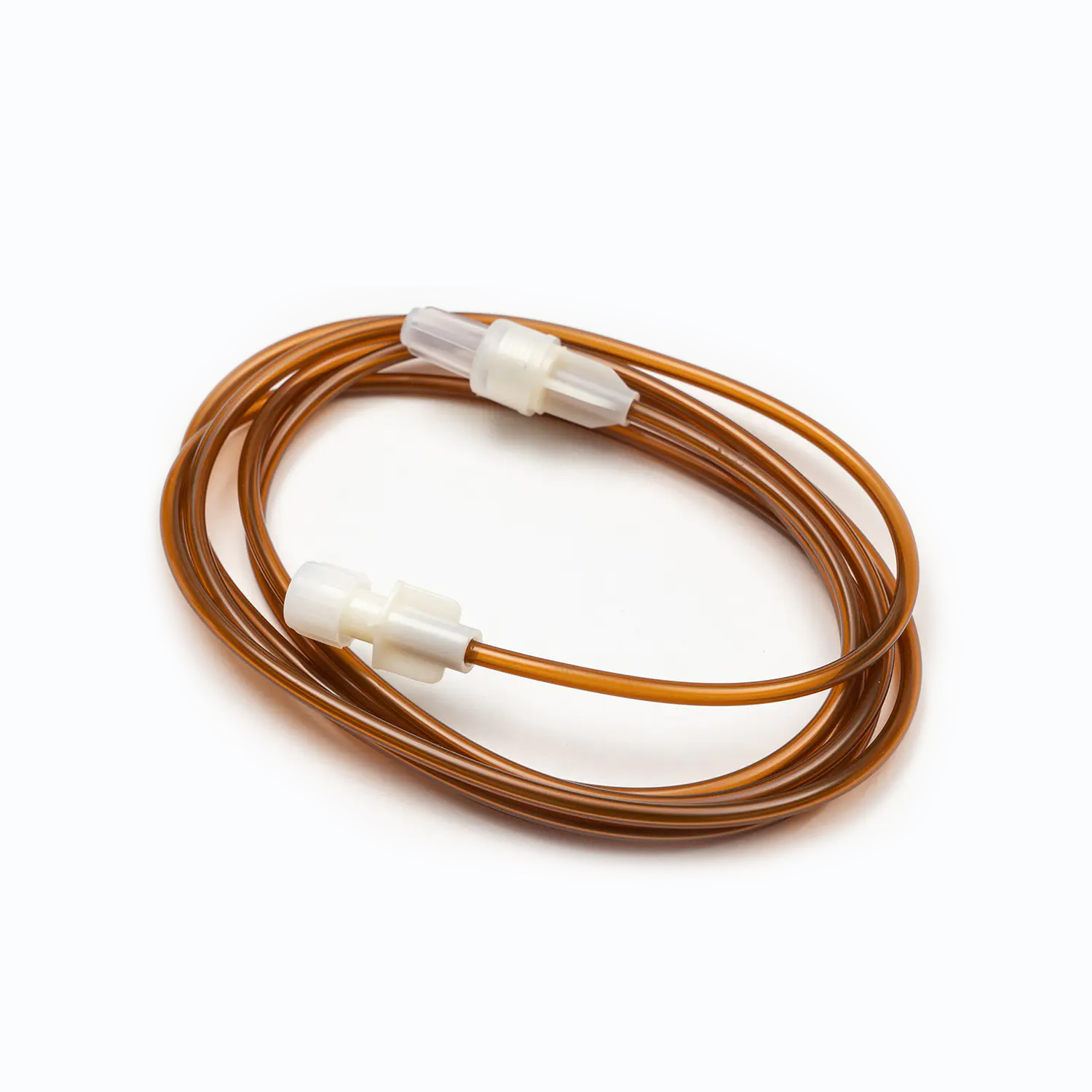
| Light-proof infusion set | Blocks ultraviolet rays, protects light-sensitive drugs | Infusion of chemotherapy drugs, antibiotics, and vitamins |
| Precision filter infusion set | High-precision filtration, small aperture | Neonatal, critical care, total parenteral nutrition |
| Disposable sterile infusion set | Sterile packaging, one-time use | All clinical infusion scenarios, infection control |
Classification by Target Population
Infusion sets are designed separately for different age groups to adapt to physiological characteristics and ensure safety. Pediatric infusion sets have smaller pipelines and more precise regulators, reducing the risk of excessive infusion speed in children by 90%; adult infusion sets have larger flow rates and are suitable for routine treatment; geriatric infusion sets are equipped with anti-reflux devices to prevent blood backflow.
In addition, there are special infusion sets for blood transfusion, which are designed with large-aperture filters to adapt to the viscosity of blood products and avoid red blood cell damage; there are also portable infusion sets for field rescue, which are small in size and easy to carry, suitable for emergency environments without medical equipment.
Standardized Usage Steps of Infusion Sets
Pre-use Preparation and Inspection
Before using the infusion set, strict inspection is the first step to ensure safety. First, check the packaging integrity of the infusion set; it is strictly prohibited to use products with damaged packaging or expired validity. Second, check the appearance of the infusion set, ensure that the pipeline is free of cracks, the filter is intact, and the regulator can work normally.
Medical staff should wash their hands and wear sterile gloves to operate, prepare the infusion liquid, check the drug name, concentration, expiration date, and compatibility, and confirm that there is no precipitation or discoloration in the liquid. Hang the infusion container at a height of 1-1.5 meters from the patient's body surface to ensure sufficient gravity pressure.
Formal Operation Process
- Open the sterile packaging, take out the infusion set, and close the flow regulator to prevent liquid leakage
- Insert the puncture needle into the infusion container, open the air filter to balance the internal and external pressure
- Open the flow regulator, let the liquid fill the entire pipeline, and exhaust all air bubbles to avoid air embolism
- Adjust the infusion speed according to the doctor's advice, fix the venous needle on the patient's skin, and start formal infusion
- Monitor the infusion process in real time, observe the patient's reaction, and the unobstructed state of the pipeline
Post-infusion Treatment
After the infusion is completed, close the flow regulator first, pull out the venous needle gently, and press the puncture point with a sterile cotton swab for 3-5 minutes to prevent bleeding and hematoma. The used infusion set is a medical waste, which should be placed in a special medical waste container for centralized harmless treatment, and reuse is strictly prohibited to avoid cross-infection.
Common Problems and Troubleshooting in Infusion Set Use
Slow or Interrupted Infusion Flow
This is the most common problem in clinical practice, mainly caused by pipeline folding, filter blockage, low hanging height of the infusion bottle, or venous needle sticking to the blood vessel wall. The solution is to straighten the folded pipeline, replace the blocked infusion set, increase the hanging height of the container, or slightly adjust the position of the venous needle.
Air Bubbles in the Infusion Pipeline
A small amount of air bubbles will not cause harm to the human body, but a large number of air bubbles entering the vein may cause air embolism, which is life-threatening. The preventive measure is to exhaust the air completely before infusion; if air bubbles are found during infusion, close the regulator immediately, remove the air bubbles by tapping the pipeline or replacing the infusion set, and then continue the infusion.
Local Swelling and Pain at the Puncture Site
This is caused by the liquid leaking into the subcutaneous tissue due to the venous needle slipping out of the blood vessel. The infusion must be stopped immediately, the needle is pulled out, and the puncture site is reinfused. A local cold compress can be applied to relieve swelling and pain, and severe cases need professional medical treatment.
Abnormal Infusion Speed
Unstable infusion speed will affect the drug efficacy and may cause adverse reactions. The reasons include loose regulator, patient limb movement, and changes in liquid viscosity. It is necessary to re-fix the regulator, remind the patient to keep the limb still, and check the state of the liquid to ensure a constant infusion speed.
Safety Standards and Quality Requirements for Infusion Sets
Infusion sets, as Class II medical devices, must comply with strict national and international safety standards, and all products must pass sterile, non-toxic, pyrogen-free tests before leaving the factory. The raw materials used are medical-grade polymer materials, which do not react with drugs, do not release harmful substances, and have good biocompatibility.
The filtration efficiency of the infusion set filter is a key quality indicator, and the standard filter can intercept more than 95% of micro-particles and bacteria; the infusion tube has good flexibility and pressure resistance, and will not break or leak under normal use conditions; the flow regulator has stable adjustment performance and can maintain a constant speed for a long time.
Sterilization is a core link in the production of infusion sets, usually using ethylene oxide sterilization technology, and the sterilization effect meets the requirements of medical standards. The sterile validity period of qualified infusion sets is generally 2-3 years, and products beyond the validity period will lose sterility and cannot be used clinically.
In terms of clinical use, the one-time use of infusion sets is a mandatory requirement, which can completely eliminate the risk of cross-infection between patients. Medical institutions must use infusion sets produced by qualified manufacturers, and establish a complete procurement, storage and use management system to ensure the quality and safety of products.
Development Trends and Technological Innovations of Infusion Sets
Intelligent and Precision-oriented Development
With the development of smart medical care, intelligent infusion sets with automatic speed adjustment, liquid remaining reminder and abnormal alarm functions have been gradually applied clinically. These products are connected with monitoring equipment to realize real-time data transmission, reducing the work pressure of medical staff by 60% and improving the accuracy and safety of infusion therapy.
Specialized and Personalized Design
Future infusion sets will be more targeted, such as infusion sets with anti-allergic materials for allergic patients, infusion sets with constant temperature function for cold liquids, and ultra-fine infusion sets for premature infants. Personalized design can better adapt to the special needs of different patients and reduce the occurrence of adverse reactions.
Environmentally Friendly and Sustainable Innovation
In response to global environmental protection requirements, the research and development of biodegradable infusion sets has become a new direction. These products use biodegradable polymer materials, which can be naturally decomposed after use, reducing the pollution of medical waste to the environment. At the same time, the production process is more energy-saving and low-carbon, in line with the development concept of green medical treatment.
In addition, the integration of infusion sets with other medical devices is also a major trend, such as combining with infusion pumps, monitoring instruments and other equipment to form an integrated infusion system, realizing the automation and intelligence of the entire treatment process and promoting the upgrading of clinical infusion therapy.
Key Considerations for Clinical and Home Use of Infusion Sets
For clinical medical staff, it is necessary to master the performance and use methods of different types of infusion sets, select products reasonably according to the patient's condition and drug characteristics, and strictly abide by the aseptic operation specifications to avoid human errors. Regular training and assessment should be carried out to improve the awareness of safe infusion and reduce the occurrence of medical accidents.
For patients receiving home infusion therapy, they must receive professional training before use, master the correct operation steps and emergency treatment methods. Do not adjust the infusion speed or replace the liquid without permission, and keep the puncture site clean and dry to avoid infection. If discomfort occurs during infusion, stop the infusion immediately and contact medical staff.
Storage of infusion sets is also crucial, and they should be stored in a dry, cool, ventilated environment, away from direct sunlight, high temperature and humidity. Do not store with corrosive items to avoid damage to the packaging and failure of sterility. Before use, confirm the integrity and validity period again to ensure the safety of use.
Finally, the standardized treatment of used infusion sets is an important part of infection control. Both medical institutions and home users must classify and dispose of medical waste in accordance with regulations, and do not discard them at will, so as to protect the environment and public health safety while ensuring personal safety.
Address
Dingtao District (Yantai) Industrial Park, Shandong Province, China


Products
Mobile Site
