


 English
 Français
 русский
 Español
How do the materials and structure of a urinary catheter affect the actual user experience?
Jan 08,2026
In modern medical care and urological management, urinary catheters are a fundamental yet crucial type of medical consumable. Whether in hospitals, rehabilitation facilities, or home care settings, urinary catheters directly impact patient comfort, safety, and care efficiency. With continuous advancements in material science and medical technology, urinary catheters are no longer single-function devices, but have gradually evolved into specialized products that prioritize biocompatibility, ease of use, and long-term stability.
Core Definition and Function of Urinary Catheters
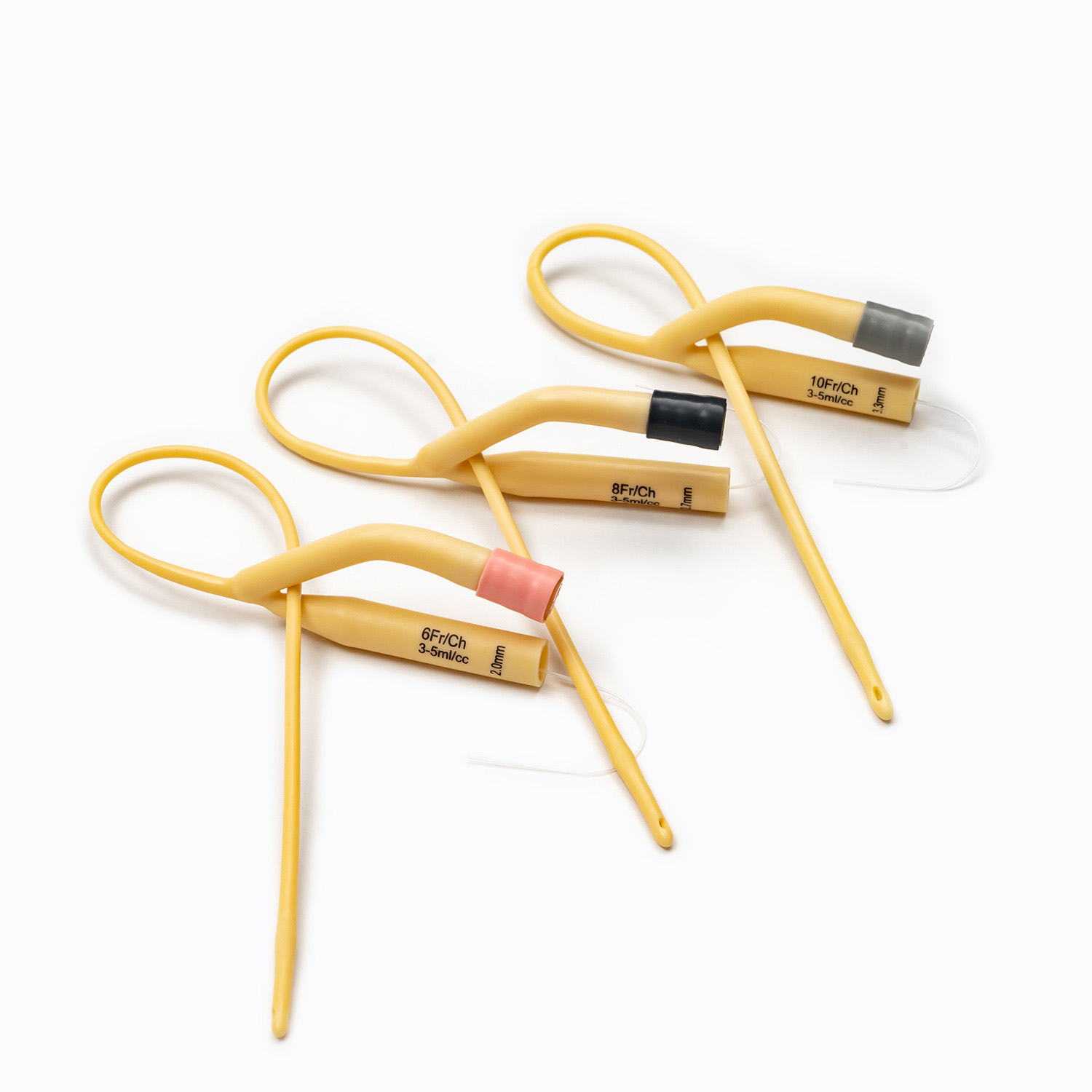
A urinary catheter is a medical device used to drain urine from the bladder. It is inserted into the body through the urethra or other means to achieve continuous or intermittent urine drainage. Essentially, its core function is to establish a safe, stable, and low-irritation urine channel, preventing bladder overfilling and minimizing damage to urinary tract tissues. High-quality catheters are designed to ensure smooth urine flow and a comfortable experience during long-term use.
Structural Design and Material Characteristics of Urinary Catheters
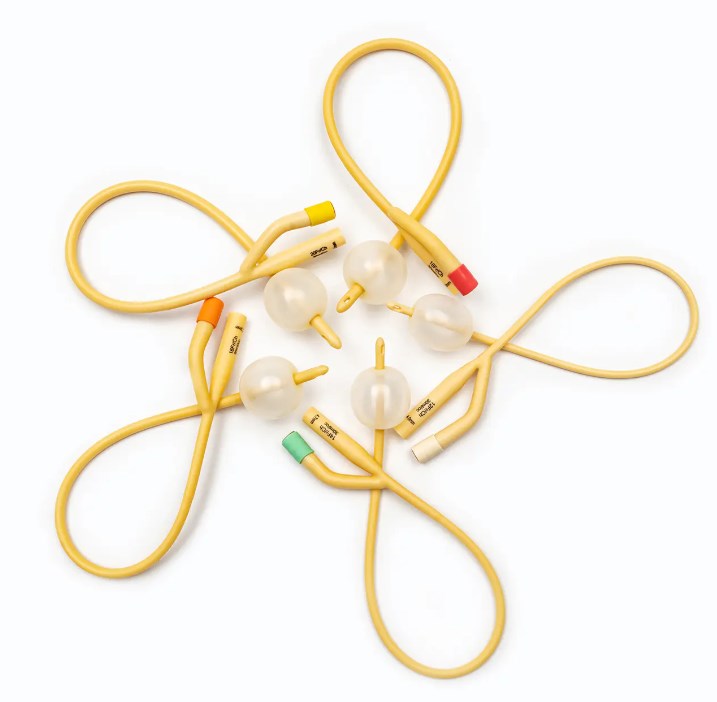
From a structural perspective, a urinary catheter typically consists of a tube body, a drainage channel, and necessary fixation structures. The softness and elasticity of the tube body directly affect the ease of insertion and the patient's sensation of a foreign object during use. Current mainstream products are mostly made of medical-grade materials. These materials exhibit stable biocompatibility, are less likely to cause irritation, and possess good corrosion resistance, maintaining structural integrity in the urinary environment.
Surface Treatment and Detail Optimization
In terms of surface treatment, some urinary catheters use special processes to improve lubrication, making insertion and removal smoother and reducing discomfort. This optimization, focusing on product details, has become an important criterion for evaluating the quality of urinary catheters.
Safety and Comfort of Urinary Catheters
For urinary catheters, safety is always at the core of product design. High-quality urinary catheters, while ensuring drainage efficiency, minimize friction and pressure on the urethral mucosa. The reasonable design of the tube diameter and wall thickness improves overall softness and fit without affecting urine drainage, making them more suitable for people with different body types.
User Comfort During Long-Term Use
Comfort is more reflected in the experience during long-term use. If a product possesses good flexibility and stable fixation, it can maintain its position during daily activities, thus reducing discomfort caused by displacement. This is a key reason why high-end urinary catheter products are highly sought after in the market.
The Value of Urinary Catheters in Nursing and Medical Settings
From a nursing perspective, a urinary catheter is not merely a simple drainage tool, but a crucial component in the medical management system. Its performance directly affects the convenience of nursing procedures and the workload of subsequent maintenance. A well-designed catheter can improve nursing efficiency while maintaining structural stability during replacement and cleaning, reducing the difficulty of use.
Reliability in Clinical Environments
In medical settings, the reliability of urinary catheters is particularly important. Stable drainage capabilities and a durable product structure allow them to maintain consistent performance over different usage cycles, which is of significant value to medical institutions.
Key Considerations for Choosing a Quality Urinary Catheter
From the product itself, when choosing a urinary catheter, it is essential to focus on its material safety, reasonable structural design, and overall manufacturing quality. High-quality catheters often exhibit more mature detail processing; the smoothness, flexibility, and sealing performance of the tube body are more stable. Although these factors may not be immediately noticeable, they directly affect the overall experience during actual use.
FAQ Frequently Asked Questions
Is a urinary catheter suitable for long-term use?
High-quality catheters are designed and manufactured with long-term stability in mind. As long as they are cared for and replaced according to guidelines, they can maintain good performance.
How much does the material of the catheter affect the user experience?
The material directly determines the softness and biocompatibility of the catheter. High-quality materials can significantly improve comfort and reduce the risk of irritation.
How can I judge the quality of a urinary catheter?
You can judge from the appearance, the flexibility of the tube body, and the overall design details. Mature products usually perform more stably in these aspects.
By analyzing the product from multiple dimensions, including structure, material characteristics, and user experience, the urinary catheter is no longer just a simple medical consumable, but an important medical product that combines safety, comfort, and professionalism.
Address
Dingtao District (Yantai) Industrial Park, Shandong Province, China


Products
Mobile Site
