


 English
 Français
 русский
 Español
How do the design details of a Blood Transfusion Set directly affect transfusion quality?
Jan 15,2026
Blood Transfusion Sets are an indispensable piece of infrastructure in the medical field, widely used in various hospitals and clinics, especially in departments requiring transfusions such as emergency rooms, surgical departments, and intensive care units. With continuous technological advancements, blood transfusion equipment has seen significant improvements in operational precision, reliability, and safety.
Definition and Function of a Blood Transfusion Set
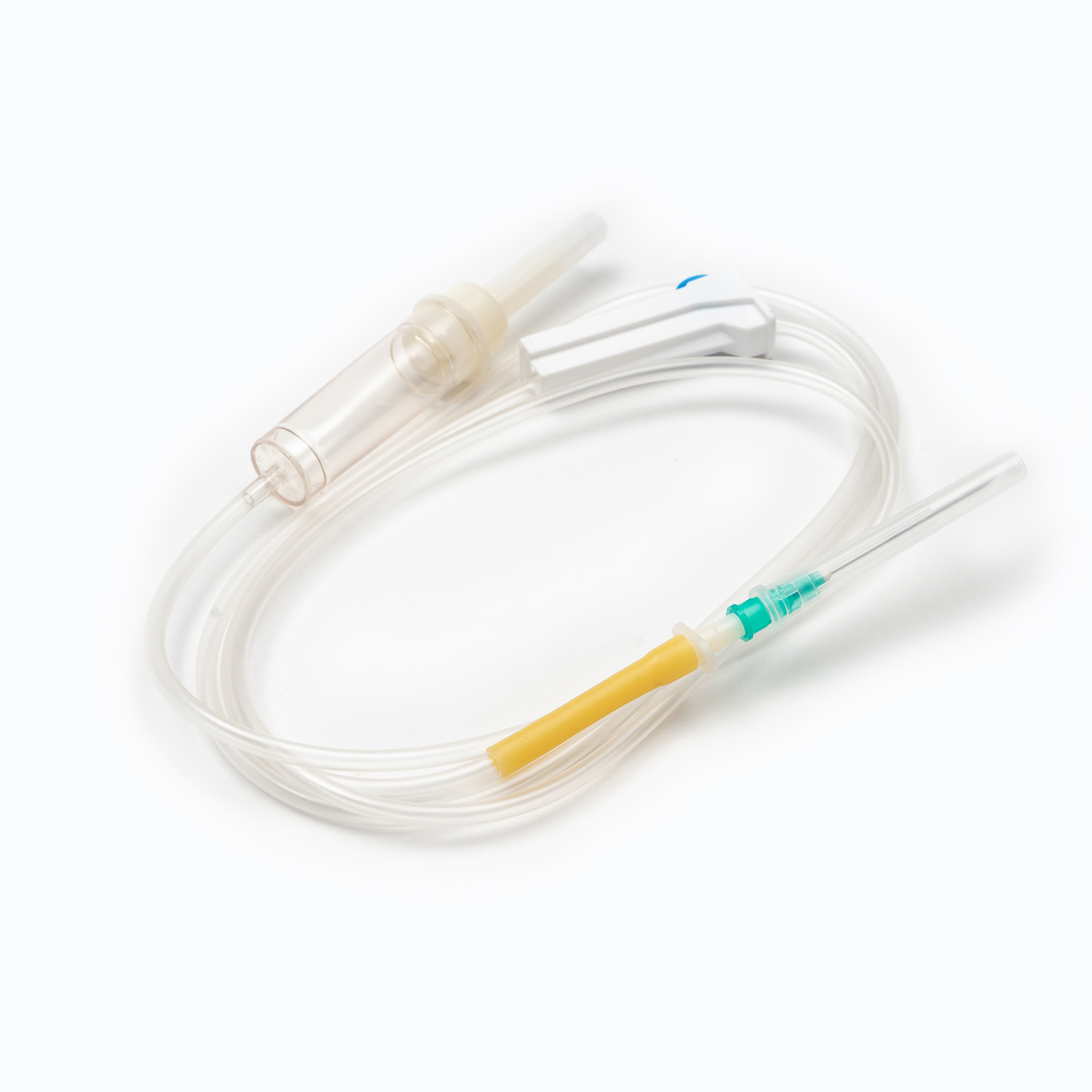
A blood transfusion set is a specialized device used to deliver blood or blood products from a transfusion bag to a patient via a vein. Its main function is to ensure a smooth and safe blood transfusion process, prevent any interruptions or contamination, and maximize therapeutic efficacy. The design of the infusion set considers multiple aspects, including flow control, resistance adjustment, and protection of the transfused materials, ensuring that blood components are not damaged during transfusion while adapting to different patient needs.
Main Components of a Blood Transfusion Set
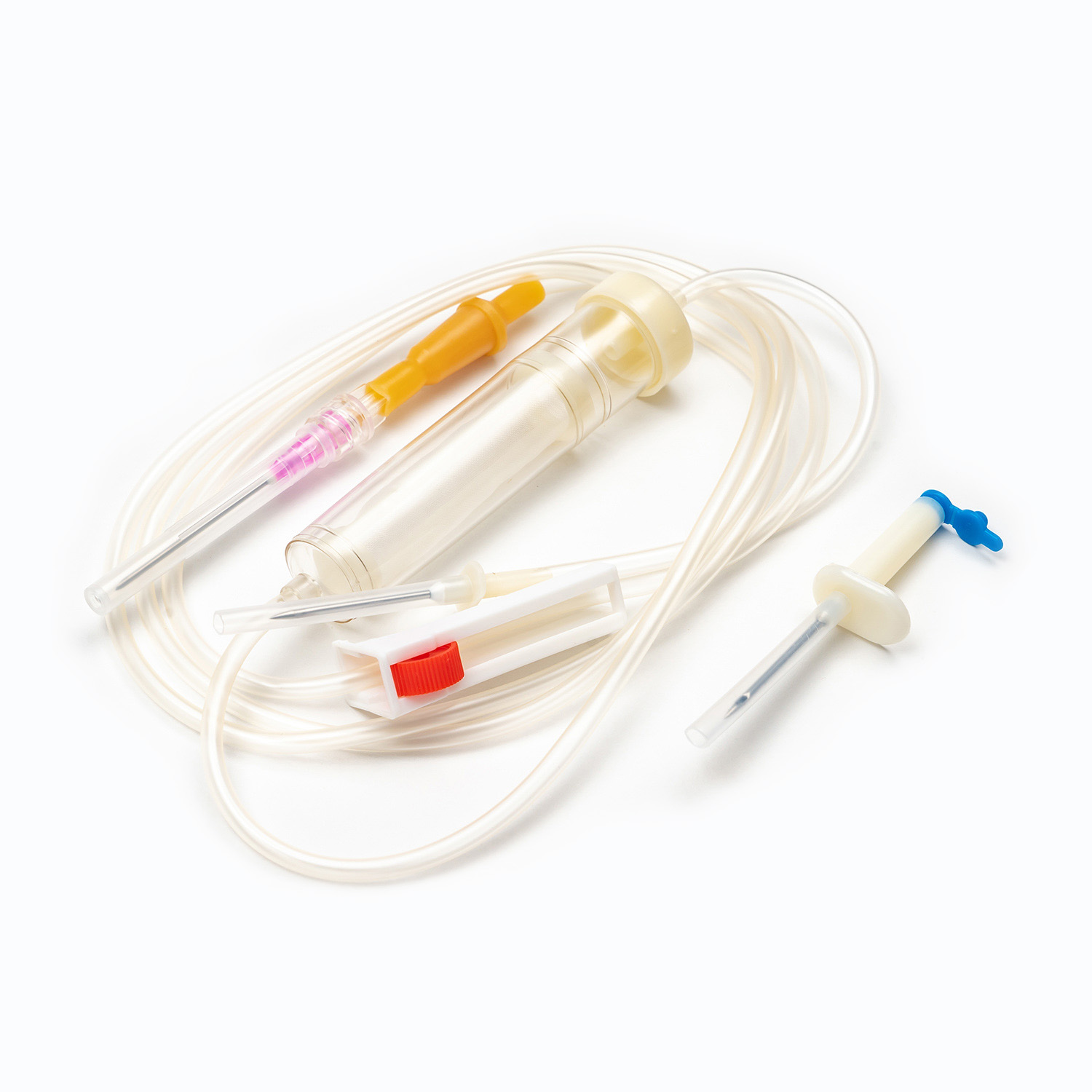
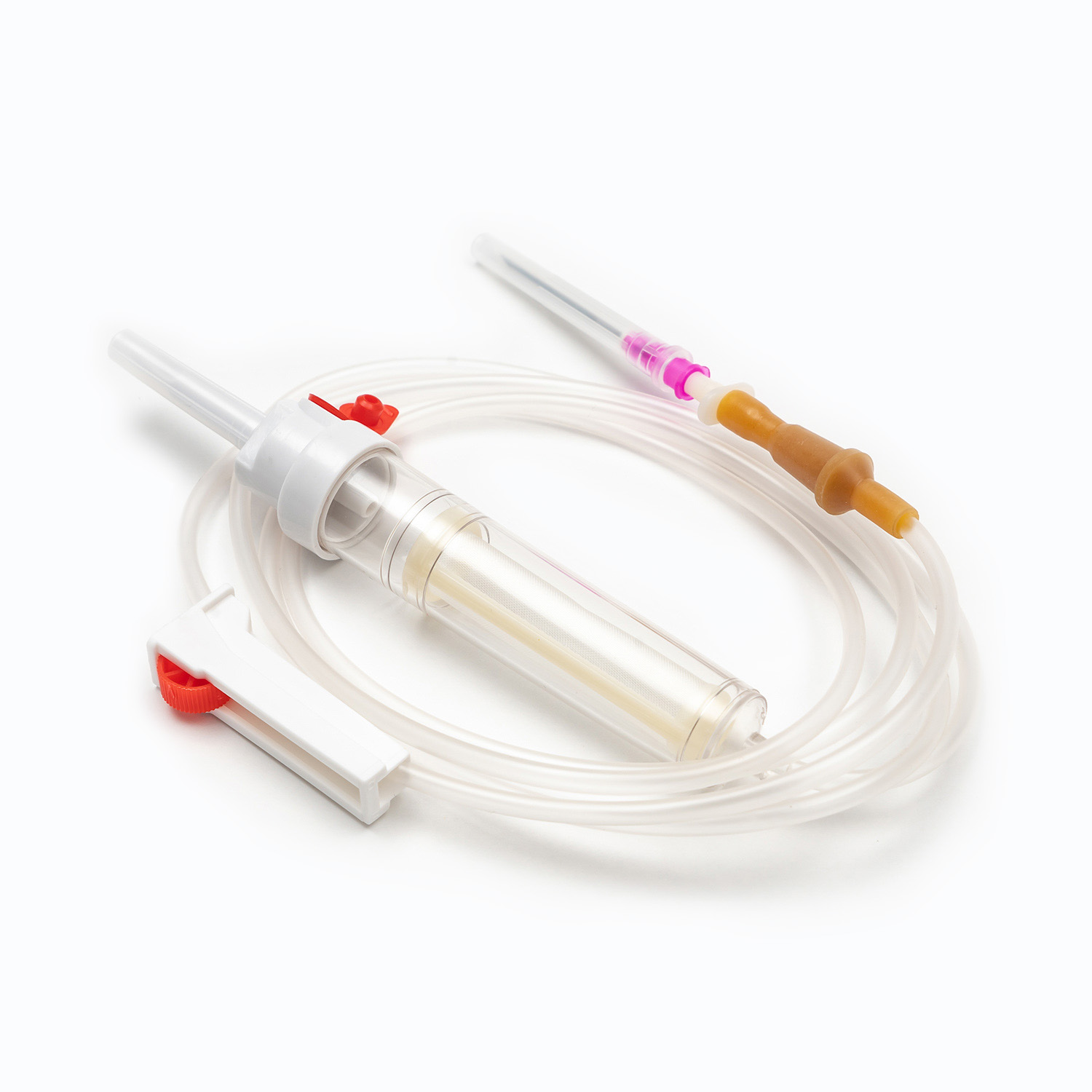
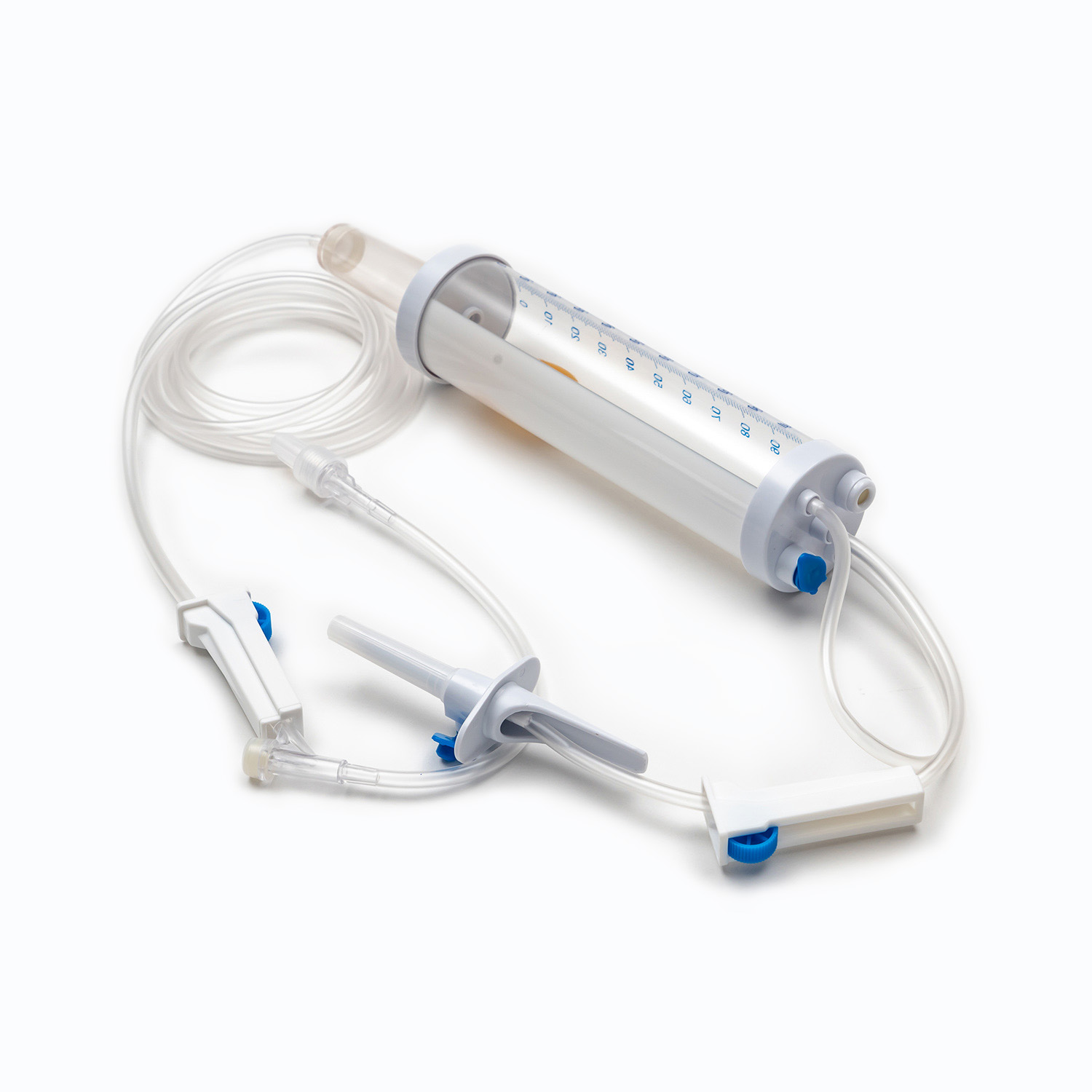
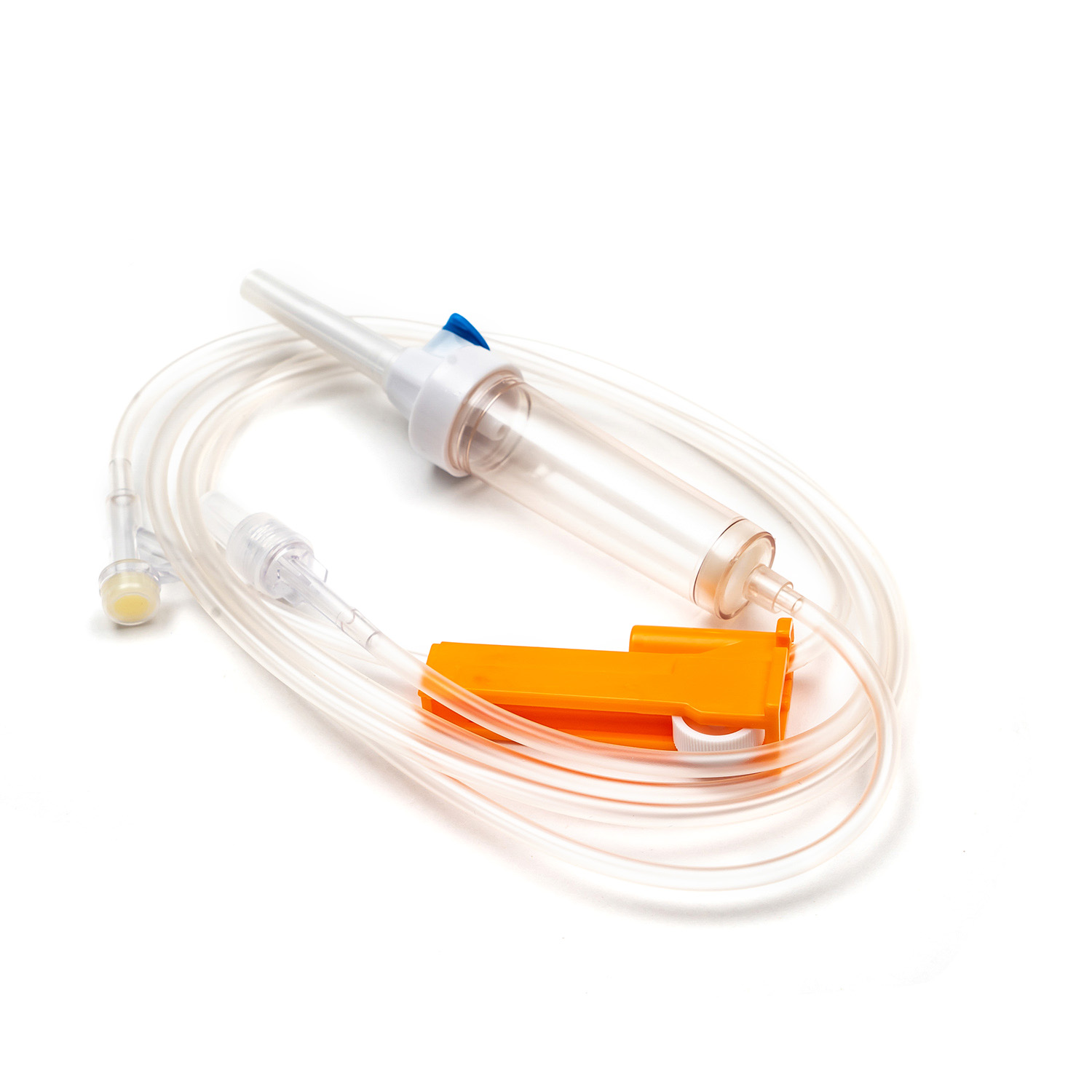
The core components of a blood transfusion set include the transfusion tubing, transfusion filter, titration device, and infusion control valve. Each component performs a different function, working together to ensure a safe and smooth transfusion process.
Transfusion tubing
This part is typically made of high-quality plastic with sufficient pressure resistance to withstand the pressure of blood delivery. Its design must not only consider stable flow rate but also prevent backflow, thus ensuring transfusion safety.
Transfusion filter
Blood may contain tiny impurities or air bubbles. If these microparticles enter the patient's body during transfusion, they may cause unnecessary complications. To avoid this, the infusion set is equipped with a blood filter, which effectively removes impurities and microparticles from the blood.
Tipping device
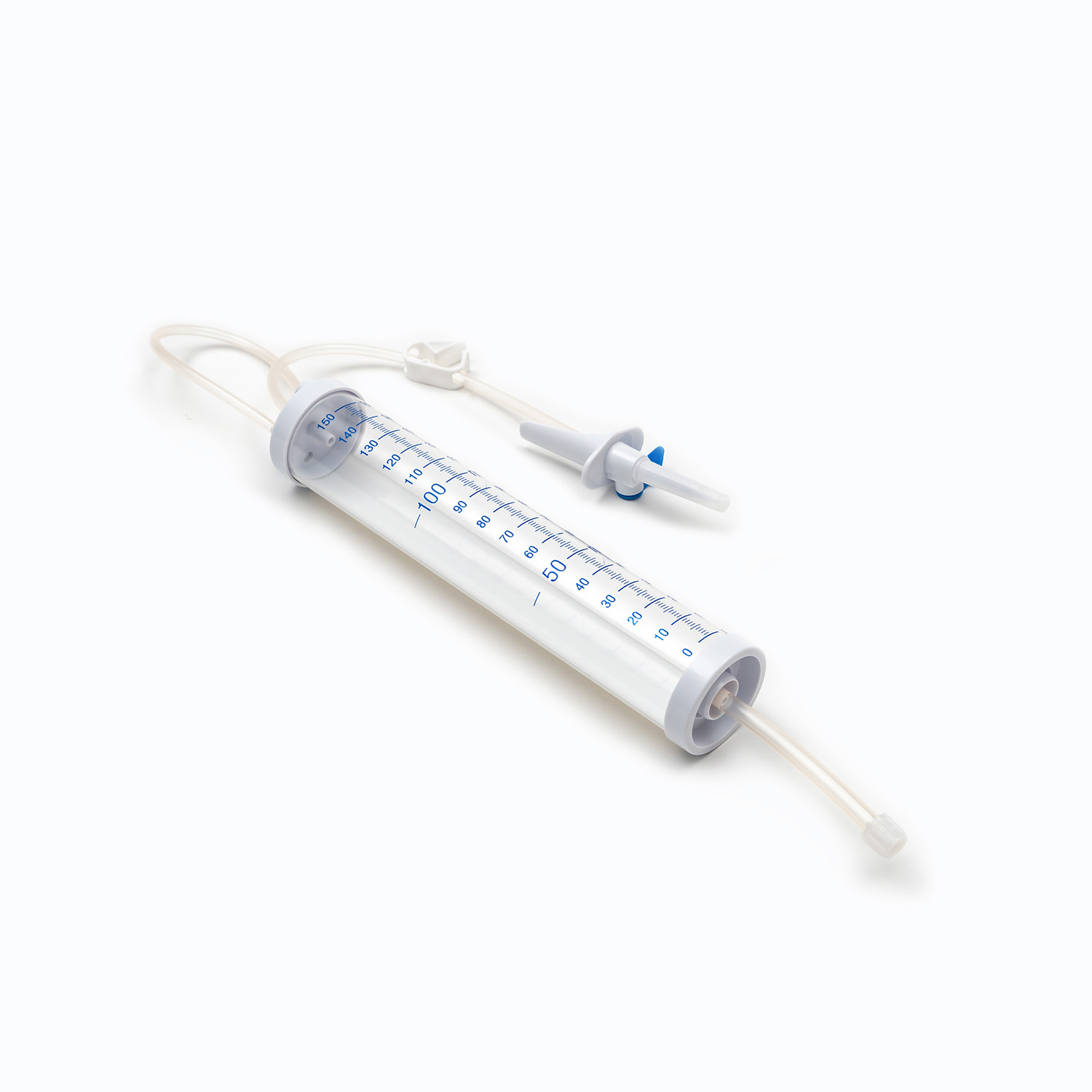
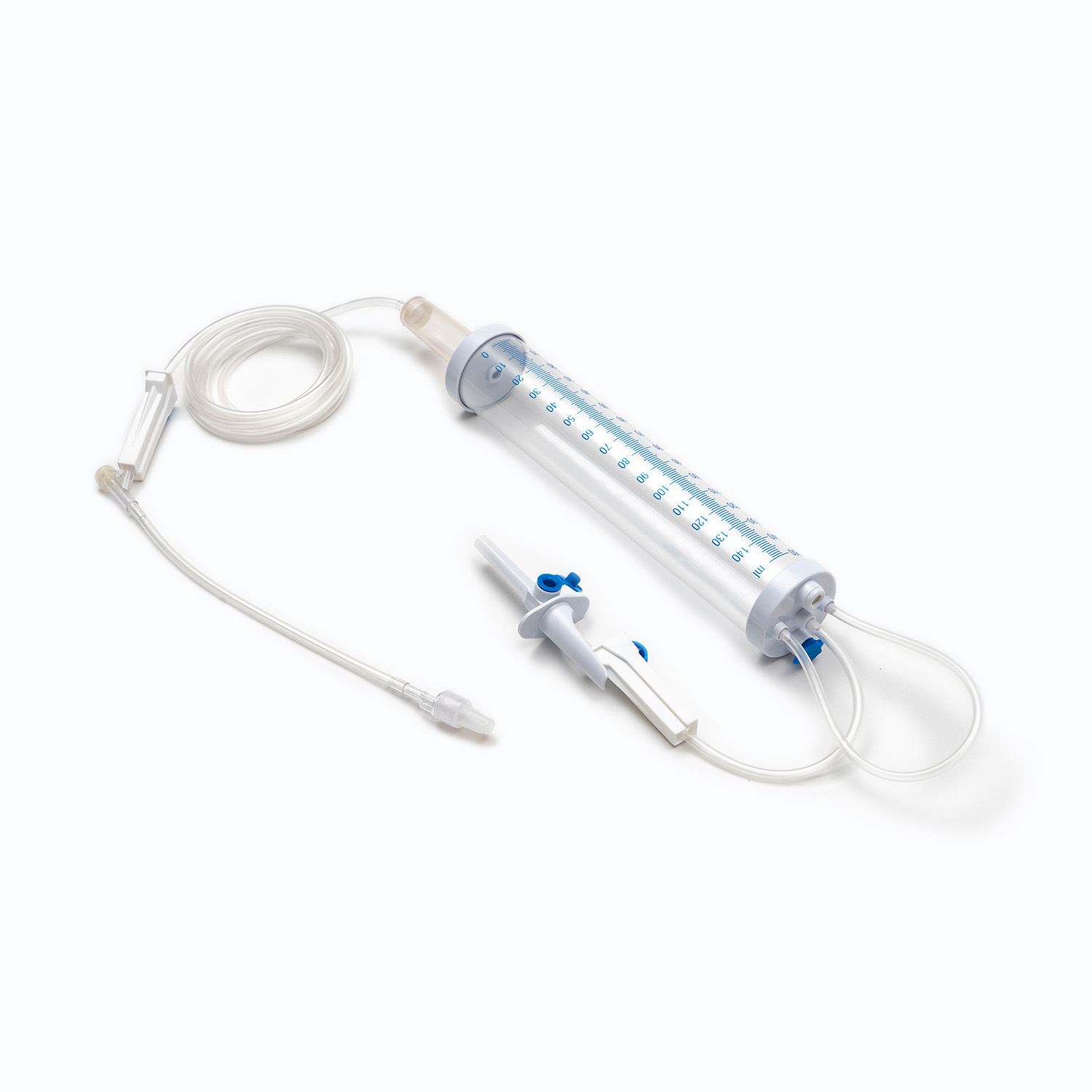
This device controls the flow rate of blood delivery. Using the titration device, doctors can precisely adjust the blood infusion rate according to the patient's actual condition, ensuring the patient receives enough blood without overdoing it.
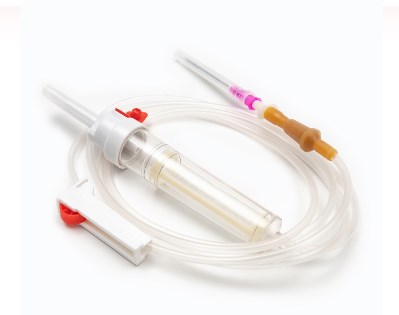
Infusion control valve
The valve regulates the pressure and flow rate of blood, ensuring stability during the transfusion process. The valve design is usually simple but crucial; it precisely controls changes in flow rate during transfusion, avoiding risks caused by infusions that are too fast or too slow.
Key Technologies of Blood Infusion Sets
With continuous advancements in medical technology, the design and functionality of blood infusion sets are constantly improving, particularly in terms of intelligence, precision, and safety. Modern blood infusion sets are equipped with various sensors and monitoring systems capable of real-time monitoring of blood infusion, including key parameters such as flow rate, temperature, and pressure.
Automatic Monitoring System
Many high-end blood infusion sets on the market today are equipped with automatic monitoring systems that can monitor various data points during the infusion process in real time. Through sensor monitoring, doctors can understand changes in blood flow rate, blood temperature, and pressure at any time, ensuring that the blood infusion is not affected by abnormal conditions.
Alarm System
In some high-end devices, the equipment will automatically issue an alarm if a problem occurs during the blood infusion process. For example, when the blood bag is nearly empty, the system will warn medical staff to replace the blood bag in time; if the flow rate is abnormal or air bubbles appear, the system will also immediately alarm, reminding the operator to handle the situation.
Aseptic Design
Another key technology of blood infusion sets is aseptic design. The entire blood transfusion process involves the seamless transfer of blood; any minute contamination can lead to serious problems such as infection. Therefore, many blood infusion sets adopt a disposable sterile packaging design and are equipped with strict quality testing and verification standards to ensure the safety of blood during each infusion.
Precautions for Using Blood Infusion Sets
The use of blood infusion sets depends not only on the quality of the equipment itself but also on the usage environment and the experience of the operator. In clinical practice, the operation of blood infusion sets usually requires professional medical personnel to perform the procedure and strictly follow relevant operating procedures.
During blood infusion, medical personnel need to check the connection between the blood bag and the infusion set to ensure there are no leaks or damage. Medical personnel need to perform a detailed examination of the blood before transfusion to confirm the blood type, blood components, and whether there are any problems.
During the infusion process, medical personnel should regularly check the working status of the infusion set to ensure stable flow, appropriate temperature, and prevent potential problems such as blood backflow. At the same time, operators must have emergency response capabilities to deal with any unexpected situations that may arise.
Future Development Trends of Blood Infusion Sets
With continuous innovation in medical technology, blood infusion sets have a broader development space in the future. Intelligentization, precision, and personalization will become the main trends in the future development of blood infusion sets. Future equipment is expected to feature more sophisticated automated monitoring systems, capable of automatically adjusting transfusion rate and volume according to the patient's specific needs, thus achieving more precise and safer blood transfusions.
Green and environmentally friendly practices will also be an important direction for the future development of blood transfusion sets. With the popularization of environmental protection concepts, future blood transfusion sets may utilize more recyclable and environmentally friendly materials, while also placing greater emphasis on the long-term durability of the equipment and reducing the waste of medical resources.
Frequently Asked Questions (FAQ)
1. What types of transfusion therapies are blood transfusion sets suitable for?
Blood transfusion sets are widely used in emergency rooms, surgery, intensive care units, and any location requiring blood transfusions. They can be used to deliver various types of blood products, including red blood cells, plasma, and platelets.
2. How to choose a suitable blood transfusion set?
Key factors when selecting a blood transfusion set include its adaptability, ease of operation, accuracy of flow control, and whether it is equipped with an automatic alarm and monitoring system. Selection should be based on specific clinical needs.
3. Do infusion sets require regular maintenance?
Blood transfusion sets are single-use devices and therefore do not require regular maintenance. However, their functions and status must be strictly checked before use to ensure that the device is in normal working order.
Address
Dingtao District (Yantai) Industrial Park, Shandong Province, China


Products
Mobile Site
