


 English
 Français
 русский
 Español
How does a blood transfusion set prevent contamination?
Jul 22,2026
A blood transfusion set is a sterile, single-use medical device specifically engineered to safely administer blood or blood products from a storage bag into a patient's venous circulatory system. The fundamental purpose of this device is to facilitate the secure, controlled, and contamination-free delivery of blood components while filtering out potentially harmful particulate matter. Unlike standard intravenous tubing, a dedicated transfusion set incorporates specialized features such as an inline filter and wider-bore tubing to accommodate the unique viscosity of blood and prevent cellular damage.
The immediate answer to why these sets are indispensable lies in patient safety. Blood is a complex biological fluid, and its administration requires meticulous handling to avoid severe adverse reactions. The transfusion set acts as the critical physical interface between the blood product and the patient, ensuring that only properly filtered, appropriately warmed, and correctly dosed blood reaches the bloodstream.
Anatomy of the Transfusion Apparatus
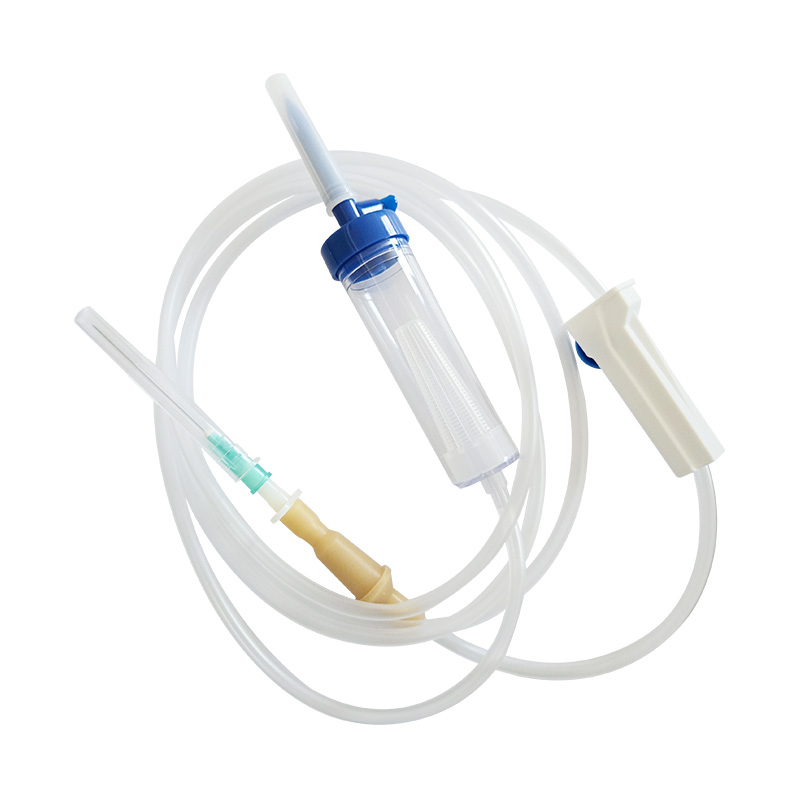
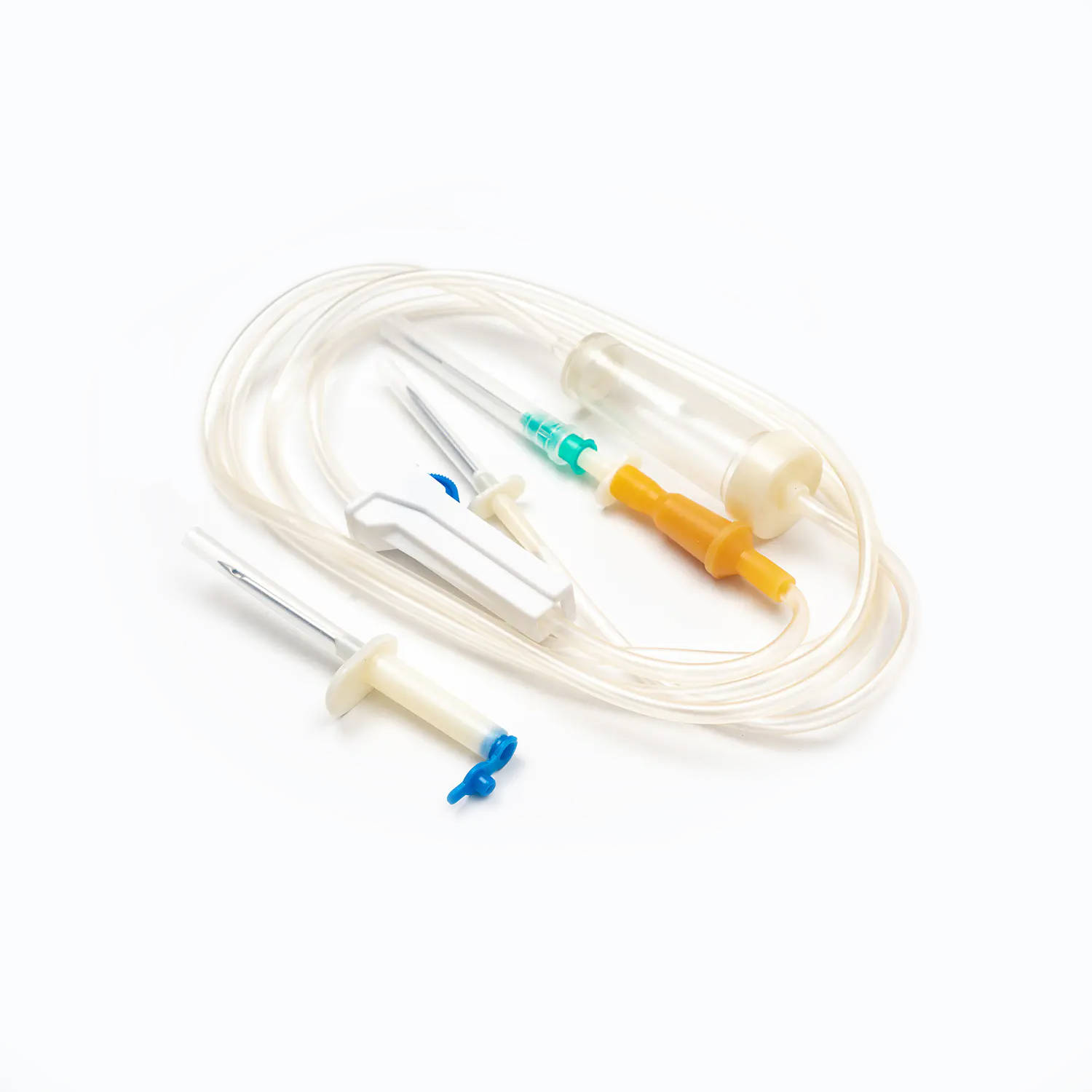
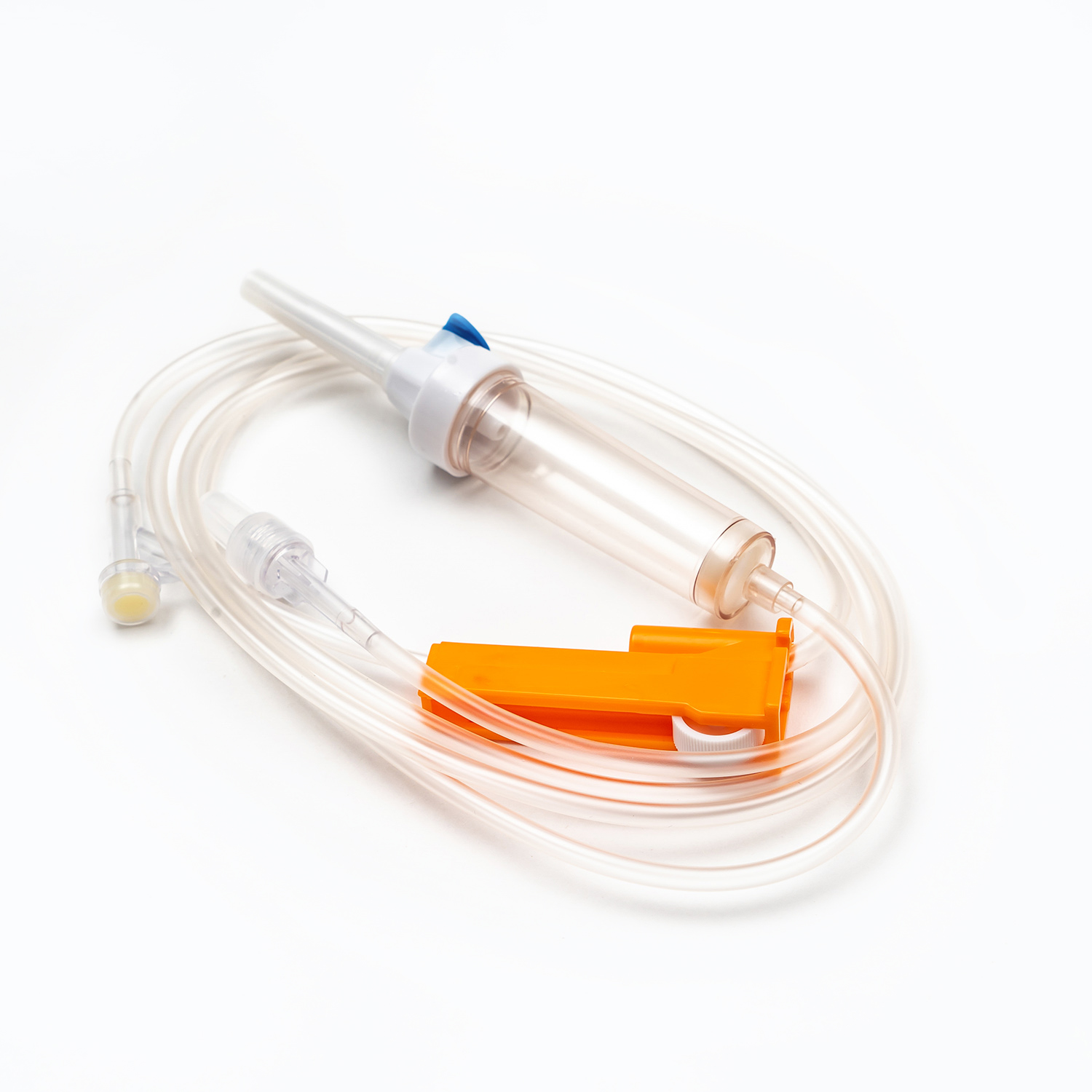
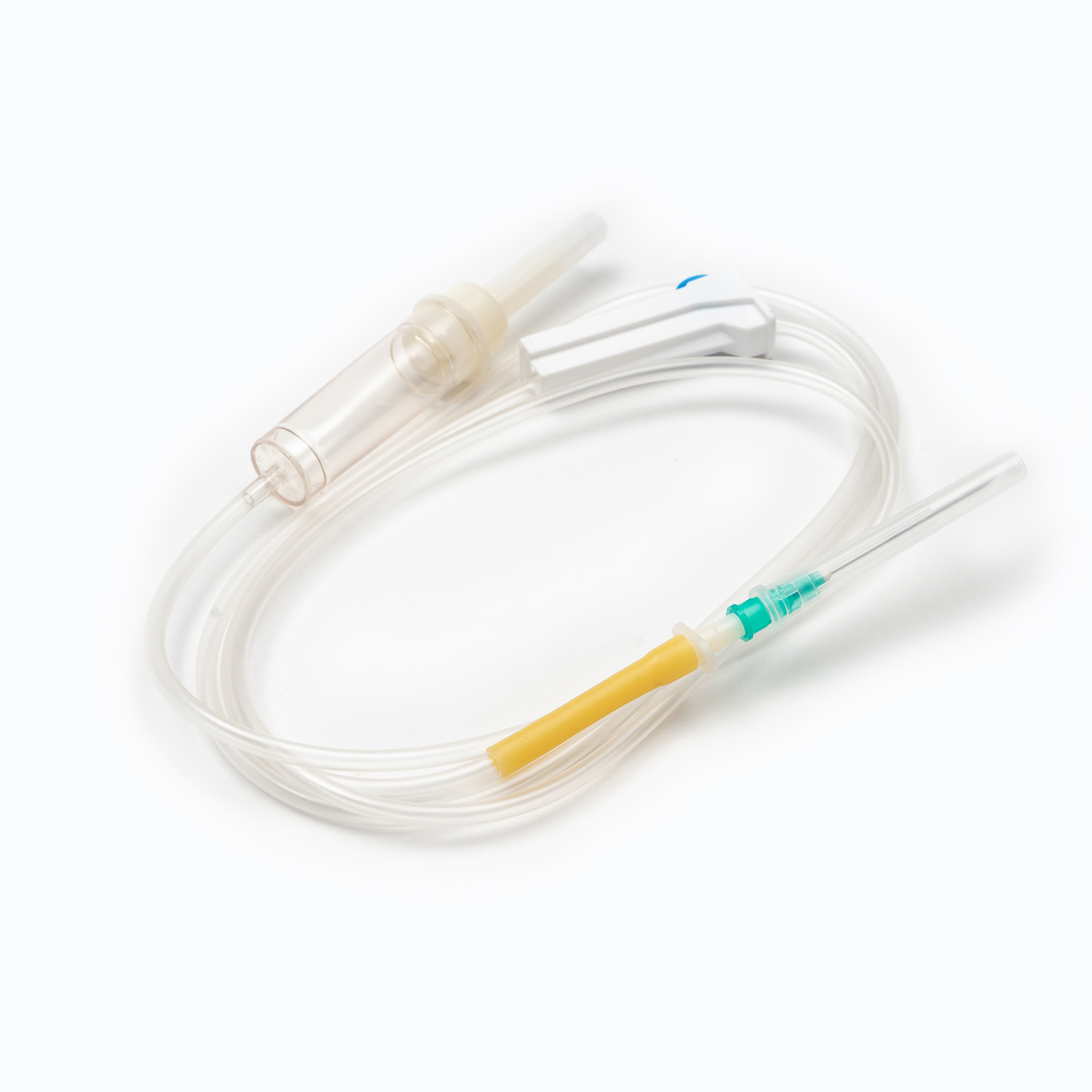
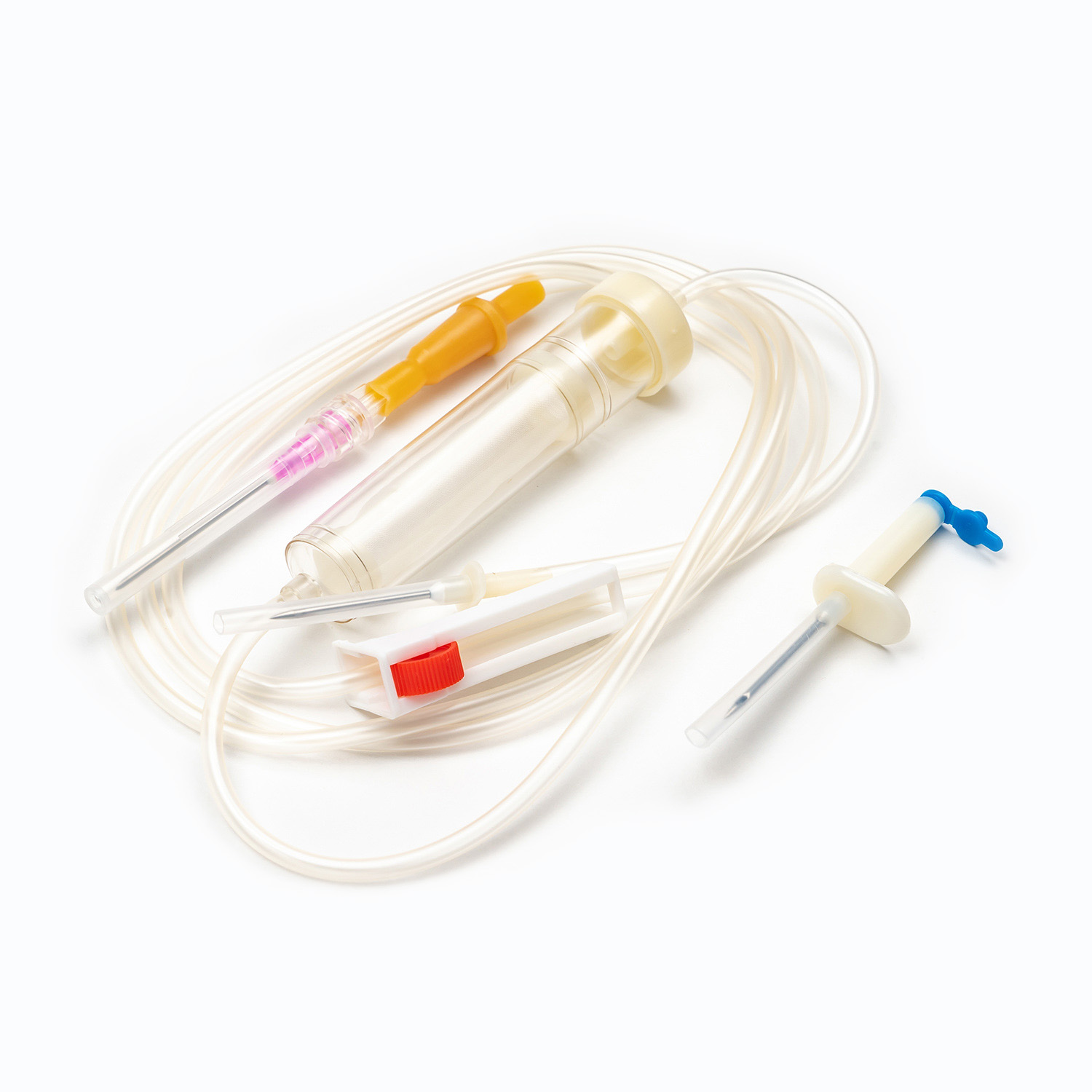
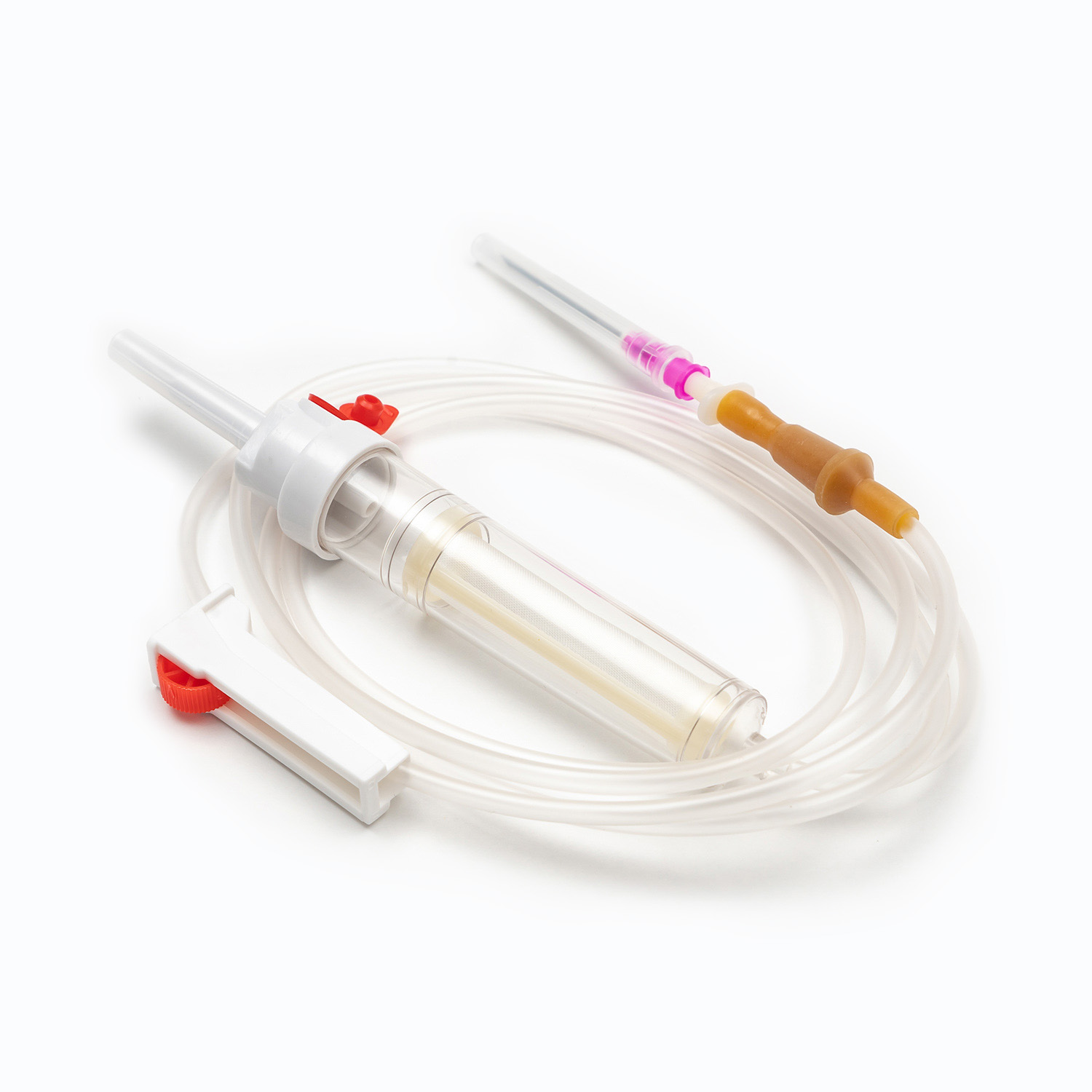
Understanding the structural components of the transfusion set is vital for healthcare professionals. Each part is designed with a specific function to maintain the integrity of the blood product and ensure precise delivery.
Spike and Protective Cap
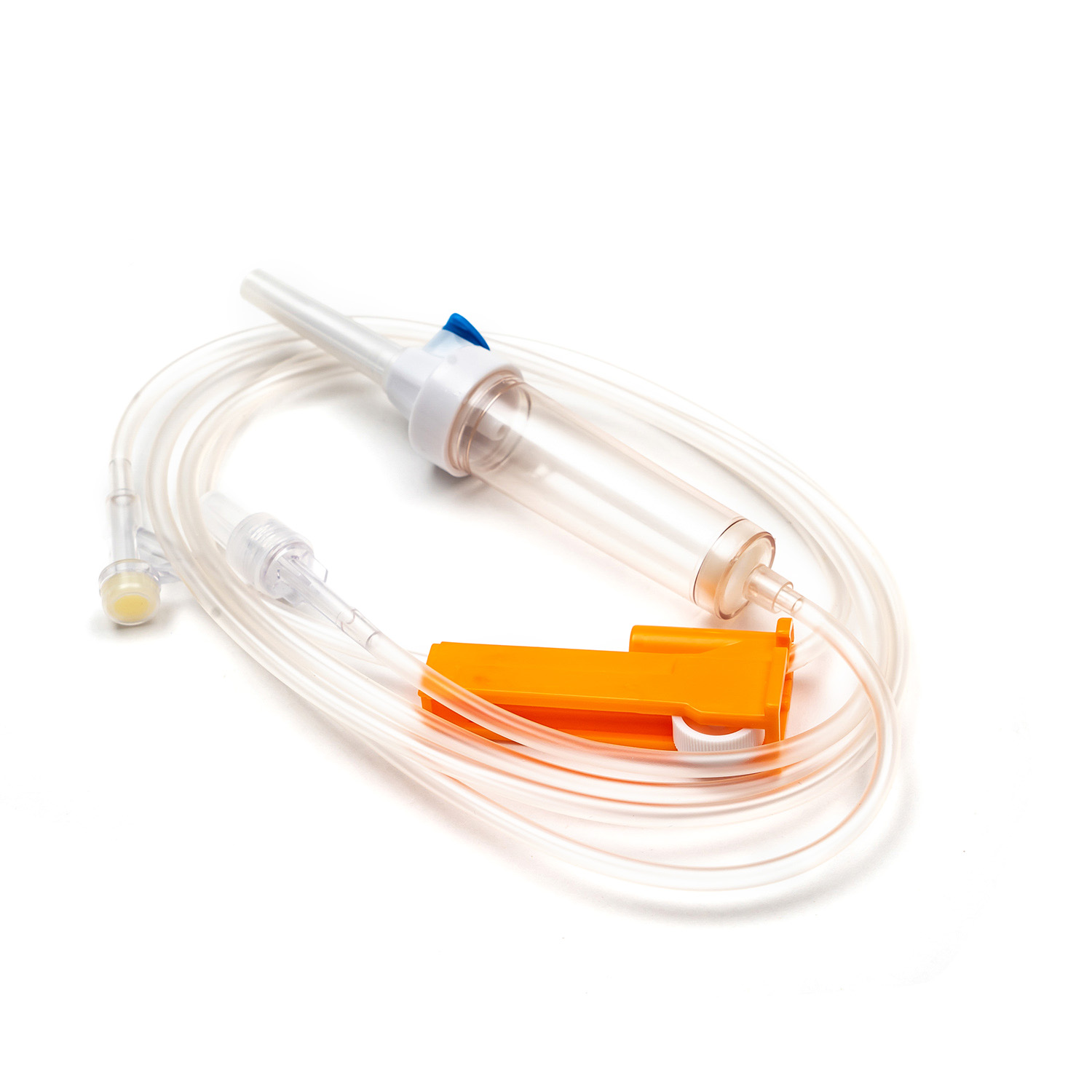
The piercing spike is a sharply pointed, rigid plastic structure designed to penetrate the sterile port of a blood bag. It is usually covered by a protective cap to maintain sterility until the moment of use. The design ensures a secure, leak-proof connection that prevents the introduction of ambient air or environmental pathogens into the blood product.
Drip Chamber and Filter
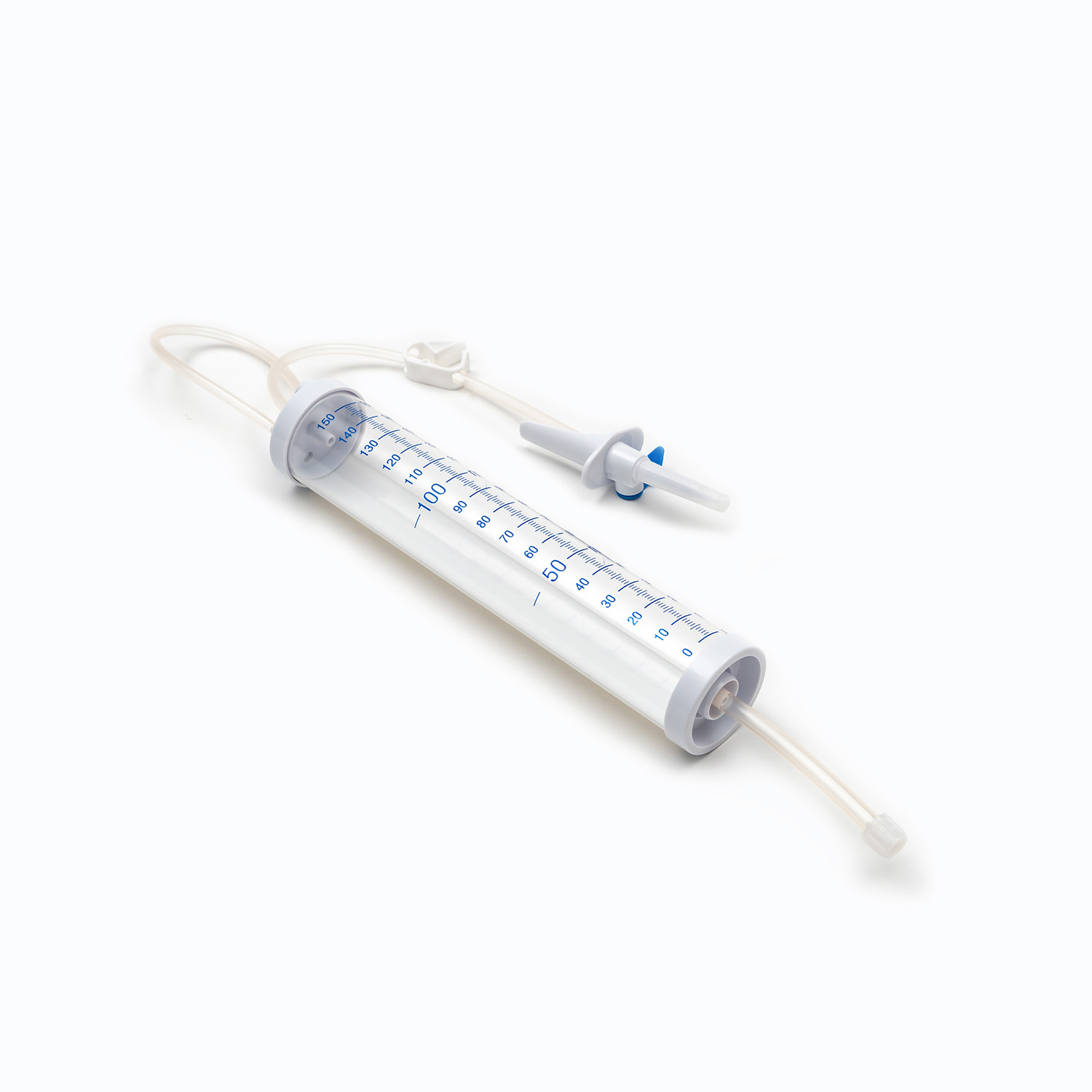
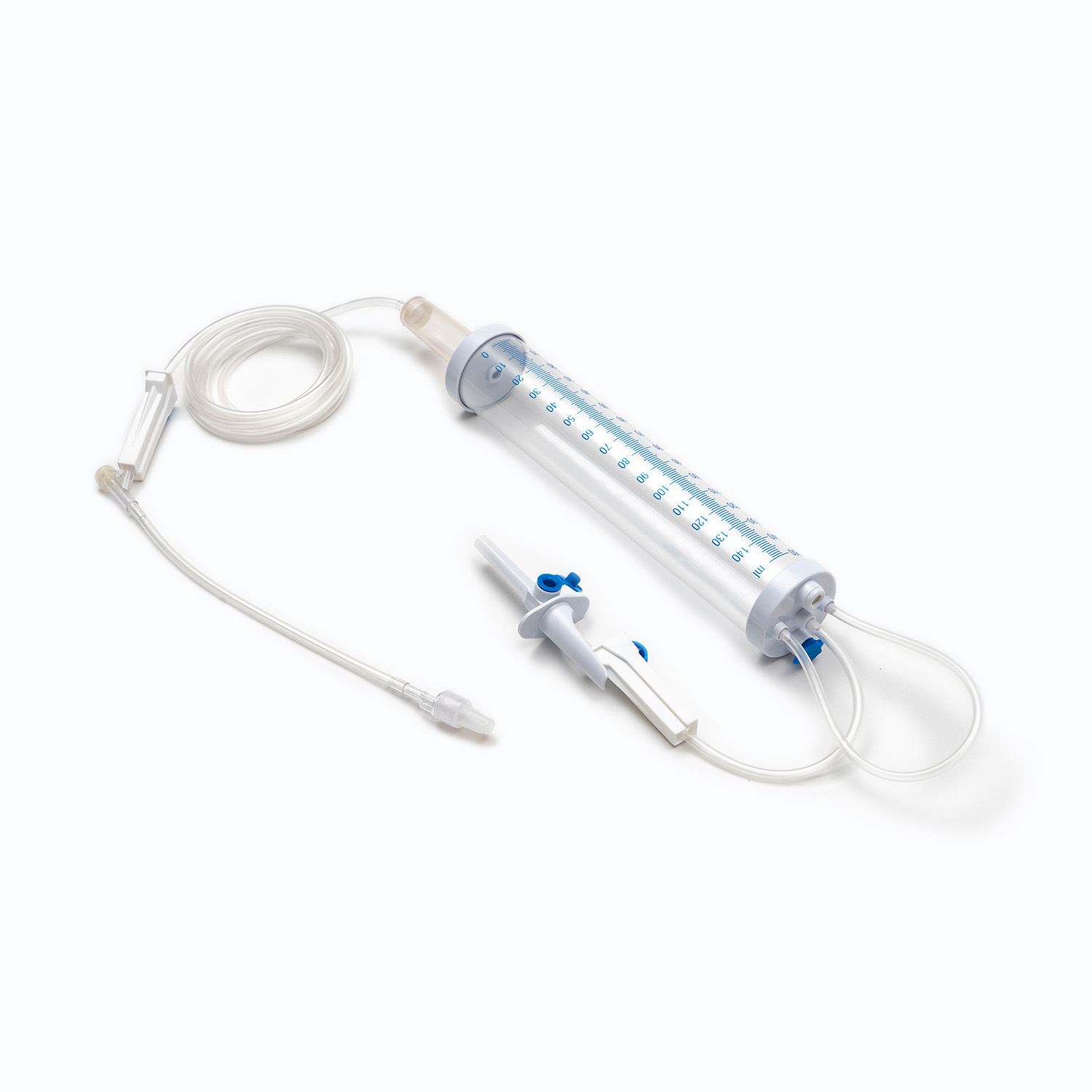
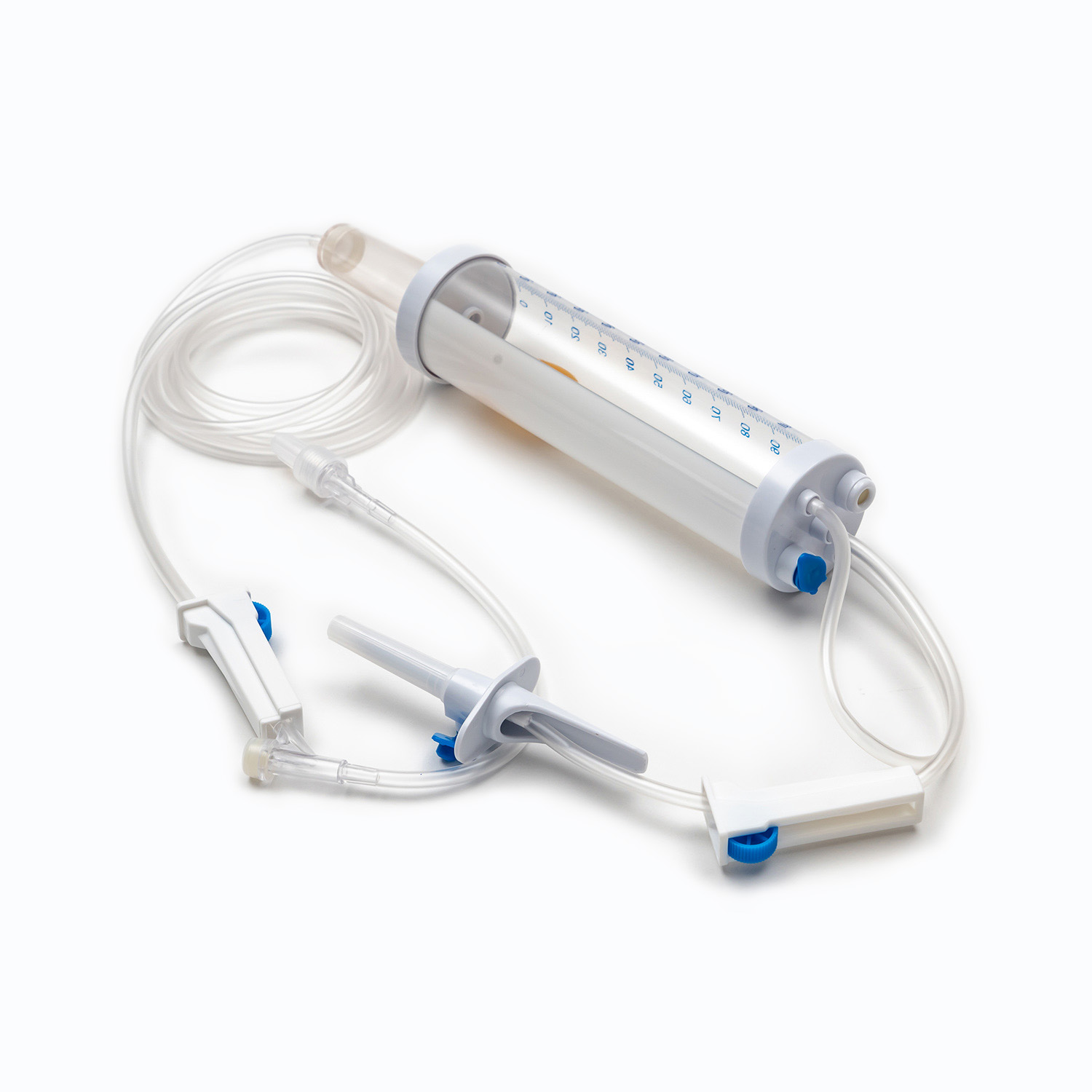
The drip chamber is a transparent, squeezable bulb that allows medical staff to visually monitor the flow rate of the blood. Inside this chamber resides a crucial component: the inline filter. This filter is designed to trap microaggregates—small clumps of platelets, leukocytes, and fibrin—that naturally form during blood storage. Removing these aggregates is essential to prevent pulmonary embolisms and other complications. The drip chamber also allows for the priming process, where the tubing is filled with fluid to expel air before connecting to the patient.
Tubing and Roller Clamp
The tubing is typically wider than standard IV lines to reduce the mechanical shear stress exerted on red blood cells, thereby minimizing hemolysis. Along the tubing length, a roller clamp is positioned. This adjustable mechanism allows the clinician to precisely regulate the flow rate, ranging from a slow infusion to a rapid bolus, depending on the clinical scenario and patient tolerance.
Safety Mechanisms and Filtration Standards
The safety of a blood transfusion heavily relies on the built-in mechanisms of the set. The primary defense against particulate embolism is the mesh filter, which must meet stringent regulatory standards regarding pore size and surface area to ensure adequate filtration without significantly impeding flow.
- Particulate Removal: Effectively captures microscopic debris and cellular aggregates formed during cold storage.
- Air Embolism Prevention: The drip chamber maintains a fluid-air interface, preventing large volumes of air from entering the patient's venous system.
- Sterility Maintenance: Closed system design ensures that once the blood bag is spiked, the pathway remains isolated from the external environment.
Proper priming of the set is a critical safety step. Failing to adequately prime the tubing can lead to air embolisms, while improper handling can compromise the sterility of the system. Clinicians are trained to meticulously clear all air from the line before initiating the transfusion.
Step-by-Step Clinical Application
The correct usage of a blood transfusion set follows a rigorous protocol designed to maximize patient safety and therapeutic efficacy. Deviations from this protocol can result in severe, potentially fatal consequences.
- Verification: Confirm patient identity, blood product compatibility, and expiration dates.
- Preparation: Inspect the blood bag for abnormalities, such as discoloration or clots.
- Spiking: Remove the protective cap from the set and carefully insert the spike into the blood bag port.
- Priming: Squeeze the drip chamber to fill it halfway, then release the roller clamp to allow blood to flow through the tubing, expelling all air.
- Connection: Aseptically connect the distal end of the set to the patient's intravenous catheter.
- Initiation: Begin the transfusion slowly, observing the patient closely for the initial minutes for any adverse reactions.
- Adjustment: Regulate the flow rate using the roller clamp based on the prescribed duration and patient hemodynamic status.
Comparative Analysis: Transfusion Sets versus Standard IV Sets
It is a common misconception that standard intravenous infusion sets can be interchangeably used for blood administration. While both deliver fluids intravenously, their structural and functional differences are significant and clinically relevant.
| Feature | Blood Transfusion Set | Standard IV Set |
|---|---|---|
| Inline Filter | Yes, specifically designed for microaggregates | Usually absent or too fine for blood components |
| Tubing Diameter | Wider to reduce shear stress on cells | Narrower, optimized for aqueous solutions |
| Drip Chamber | Larger to accommodate blood viscosity | Smaller, standard size |
Using a standard IV set for blood transfusion is contraindicated because it lacks the necessary filtration capabilities and its narrow tubing can physically damage red blood cells, leading to hemolysis and decreased therapeutic value.
Managing Adverse Events and Complications
Despite the advanced design of modern transfusion sets, adverse events can still occur. The set itself plays a role in mitigating some of these risks, but vigilant monitoring remains the cornerstone of safe transfusion practice.
Acute reactions can range from mild allergic responses to severe hemolytic crises. The ability to quickly identify and respond to these events is crucial. The transfusion set must allow for immediate cessation of flow. If a reaction is suspected, the roller clamp must be closed immediately, and normal saline should be administered through a separate line to maintain venous access.
Furthermore, the set must be changed according to institutional protocols if multiple units of blood are administered over an extended period. Prolonged use of a single set can lead to filter clogging, reducing flow rates and potentially compromising the integrity of the system.
Future Trends and Environmental Considerations
As medical technology advances, the design of blood transfusion sets continues to evolve. Future iterations may incorporate smart sensors to automatically monitor flow rates and detect air bubbles, further reducing the reliance on manual observation. There is also a growing emphasis on developing biocompatible materials that further minimize cellular damage during transit.
From an environmental perspective, the single-use nature of these sets presents a significant medical waste challenge. Manufacturers and healthcare facilities are increasingly exploring sustainable disposal methods and the use of recyclable polymers that do not compromise sterility or safety. The balance between absolute patient safety and environmental responsibility is a key driver of future innovation in this field.
Address
Dingtao District (Yantai) Industrial Park, Shandong Province, China


Products
Mobile Site
