


 English
 Français
 русский
 Español
What are the different types of urinary catheters available?
Jul 15,2026
A urinary catheter is a crucial medical device used to drain urine from the bladder when a patient cannot do so naturally. While it is an effective solution for managing urinary retention and monitoring output, it carries inherent risks, most notably urinary tract infections. The safe and effective use of a catheter relies heavily on strict adherence to hygiene protocols, correct selection of catheter type, and proper ongoing maintenance. When managed correctly, catheters significantly improve quality of life and are essential in acute care settings, though they require vigilant care to prevent complications.
Understanding the Primary Functions of Urinary Catheters
The fundamental purpose of a urinary catheter is to empty the bladder. This is necessary in various clinical scenarios. The primary function is to relieve urinary retention, a condition where the bladder cannot empty itself, potentially leading to kidney damage. In surgical settings, catheters are used to keep the bladder empty during procedures and to monitor urine output closely, which is a vital sign of a patient's hemodynamic stability.
Beyond acute retention, catheters are also utilized for patients who have lost bladder control due to neurological issues, severe illness, or trauma. In critical care, accurate measurement of urinary output is essential to determine fluid balance and kidney function. Therefore, the device serves both therapeutic and diagnostic roles, making it indispensable in modern medicine.
Major Classifications and Types of Catheters
Not all urinary catheters are the same; they are designed based on the duration of use and the specific medical needs of the patient. Understanding the distinctions is vital for selecting the appropriate device.
Indwelling Catheters (Foley Catheters)
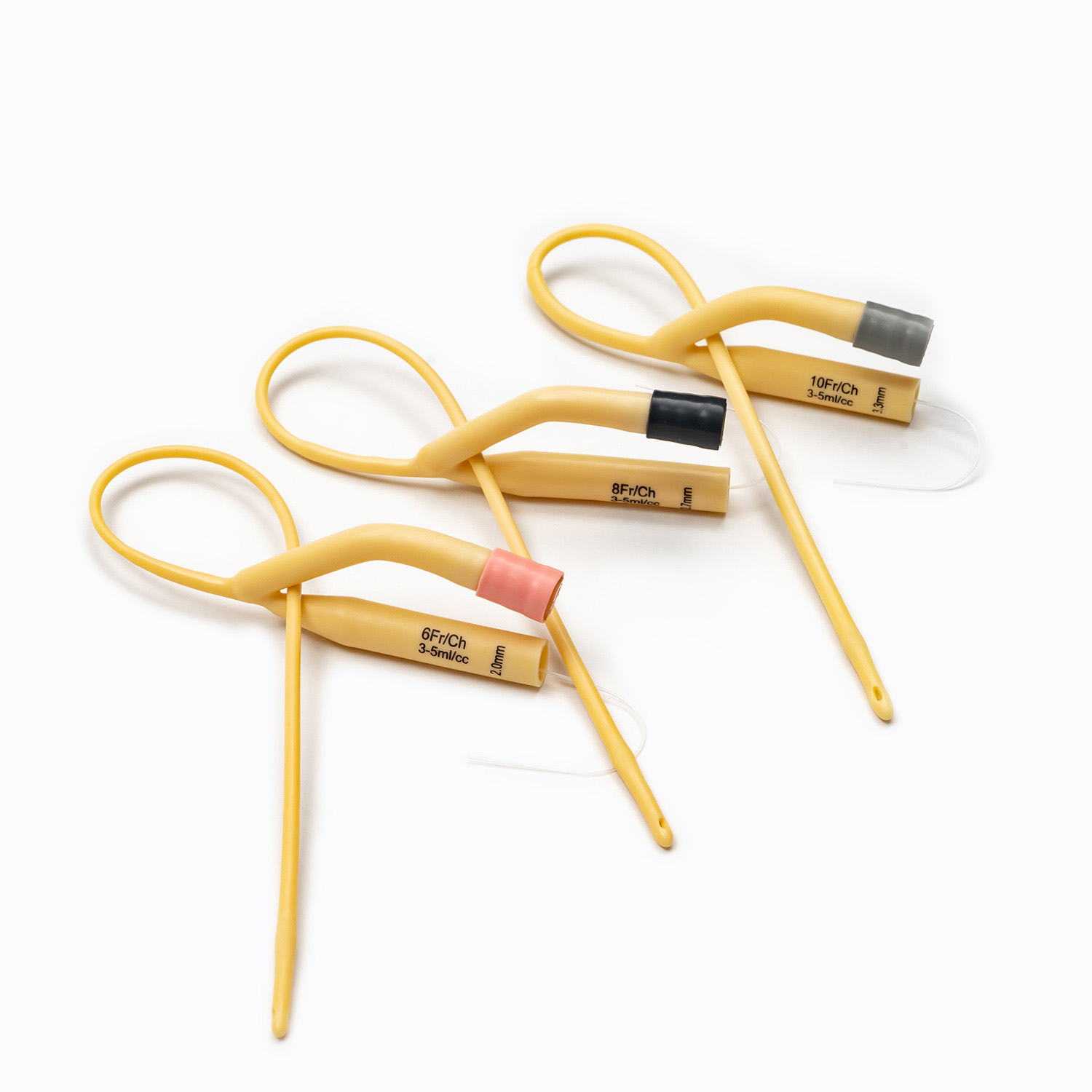
This is the most common type used for long-term drainage. It is a flexible tube inserted into the bladder through the urethra. It is held in place by a balloon at the internal end that is inflated with sterile water after insertion. This type remains in place for a period ranging from a few days to several weeks, depending on the material and medical necessity. It connects to a drainage bag that collects the urine.
Intermittent Catheters
Intermittent catheterization involves inserting a thin, flexible tube into the bladder to drain urine and then removing it immediately. This process is repeated several times a day. This method is often preferred because it mimics natural bladder emptying more closely and significantly reduces the risk of infection compared to indwelling catheters. It is frequently used by patients with spinal cord injuries or those who cannot empty their bladder but do not require constant drainage.
External Catheters (Condom Catheters)
Used primarily by men, these are sheaths that are placed over the penis rather than inserted into the urethra. They connect to a drainage bag and are typically used for men who have urinary incontinence but do not have urinary retention. This non-invasive method greatly reduces the risk of urethral trauma and infection.
| Type | Method of Use | Primary Benefit |
|---|---|---|
| Indwelling (Foley) | Inserted and left in place | Continuous drainage |
| Intermittent | Inserted and removed after draining | Lower infection risk |
| External | Worn externally over the anatomy | Non-invasive |
Medical Indications for Catheterization
The decision to use a urinary catheter is clinically driven. Healthcare providers assess the patient's condition to determine the necessity. Below are the primary indications:
- Urinary Retention: The inability to pass urine, which can cause pain and kidney damage. This is often caused by an enlarged prostate in men, strictures, or neurological conditions.
- Incontinence Management: For bedridden patients or those with severe pressure sores where urine exposure would damage the skin, a catheter keeps the area dry.
- Surgical Necessity: During lengthy surgeries or procedures involving the urinary tract or lower abdomen, the bladder must be empty to prevent injury and provide a clear surgical field.
- Critical Care Monitoring: In Intensive Care Units (ICU), precise measurement of hourly urine output is critical to assess kidney function and fluid balance in unstable patients.
Risks and Potential Complications
While beneficial, urinary catheters are not without risks. Complications can arise from the insertion process, the duration of use, or the device itself. The most significant threat is infection.
Catheter-Associated Urinary Tract Infection (CAUTI)
This is the most common hospital-acquired infection. Bacteria can enter the urinary tract during insertion or migrate up the catheter tube if the drainage system is not closed. Long-term use significantly increases the probability of infection. Preventive measures include using sterile techniques during insertion and maintaining a closed drainage system.
Trauma and Injury
Improper insertion technique can cause physical injury to the urethra. In men, the prostate can be damaged, or a false passage can be created in the urethra. In women, the urethra is shorter, making incorrect placement into the vagina a risk, necessitating re-insertion with a new sterile catheter.
Blockage and Encrustation
Over time, mineral deposits can form on the surface of the catheter, leading to blockage. This prevents urine from draining, causing retention and potential leakage around the catheter site. Regular catheter changes are scheduled to prevent this buildup.
Essential Care and Maintenance Protocols
Proper care is the cornerstone of safe catheter usage. Whether the patient is in a hospital or at home, specific protocols must be followed to minimize complications.
Hygiene and Cleaning
The area where the catheter exits the body (the urethral meatus) must be cleaned daily with mild soap and water to reduce bacterial colonization. It is crucial to wash from the front to back to prevent fecal contamination. Hands should be washed thoroughly before and before touching any part of the catheter or drainage system.
Drainage Bag Management
The drainage bag must always be kept below the level of the bladder to prevent urine from flowing back into the bladder, which can cause infection. Never let the bag touch the floor. The bag should be emptied regularly using a separate container for each measurement, and the drainage spout should be cleaned after emptying to prevent contamination.
Securement and Comfort
The catheter should be securely fastened to the patient's leg or abdomen to prevent tension or pulling. Traction can cause trauma to the urethra and bladder neck. Proper securement also allows for freedom of movement without dislodging the device.
Living With a Long-Term Catheter
For patients who require long-term catheterization, adapting to life with the device is necessary. Lifestyle adjustments can help manage the physical and psychological impacts.
Maintaining adequate fluid intake is generally recommended to flush the bladder and reduce the risk of sediment buildup. Patients should also be educated on recognizing signs of infection, such as cloudy urine, foul odor, fever, or lower abdominal pain. Regular follow-ups with healthcare providers are essential to monitor for complications and to schedule routine catheter changes. With the right support and education, most patients can lead a normal and active life while managing their bladder health with a catheter.
Address
Dingtao District (Yantai) Industrial Park, Shandong Province, China


Products
Mobile Site
