


 English
 Français
 русский
 Español
Does the Blood Lancet Needle's safety and sterile design meet the needs of multiple usage scenarios?
Jan 22,2026
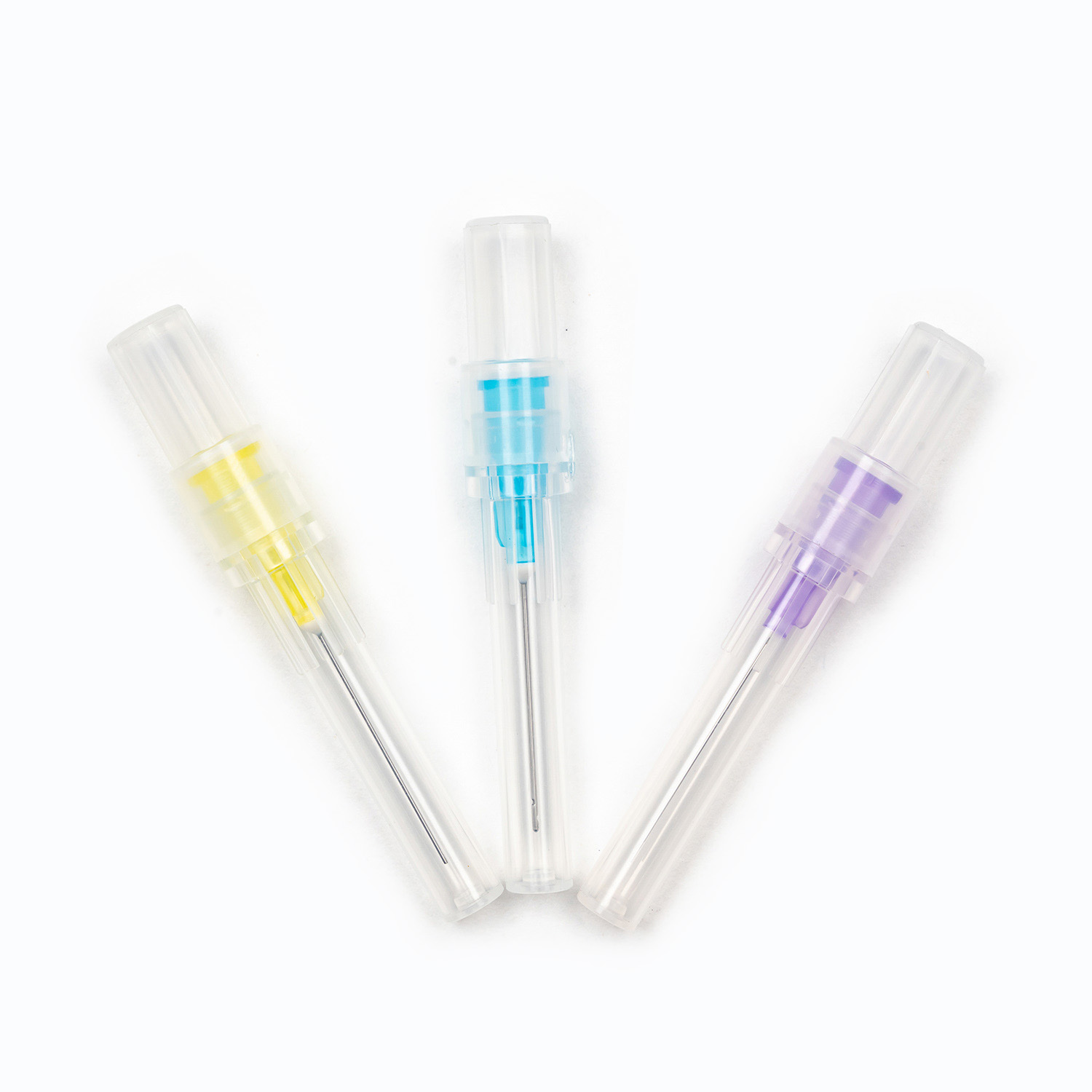
In blood glucose monitoring and rapid clinical testing, the Blood Lancet Needle, as one of the most basic yet crucial consumables, directly impacts the blood collection experience and the reliability of test results. As users' demands for comfort, safety, and stability continue to rise, lancets are no longer simple metal needles, but rather precision products integrating materials science, structural design, and process control.
The Core Positioning and Function of the Blood Lancet Needle
The primary function of the Blood Lancet Needle is to achieve stable blood collection with the smallest possible incision. This process requires not only excellent needle tip sharpness but also rapid insertion and withdrawal at the moment of puncture, thereby reducing traction and irritation to skin tissue. A superior lancet can significantly reduce pain while ensuring sufficient blood volume, maintaining good user compliance in high-frequency usage scenarios. For users requiring long-term monitoring, this difference in experience will be amplified in daily use.
Professional Considerations for Needle Materials and Surface Finishes
Blood Lancet Needles typically use high-purity medical-grade stainless steel, a material that achieves an ideal balance between strength, toughness, and biocompatibility. Through meticulous wire drawing and polishing processes, the needle surface remains highly smooth, reducing frictional resistance during puncture. Some high-end products also undergo special treatment on the needle tip surface for smoother insertion, thereby reducing skin damage at the microscopic level. These details directly determine the comfort and stability during blood collection and are important standards for distinguishing different quality blood collection needles.
Needle Tip Structure Design and Puncture Experience
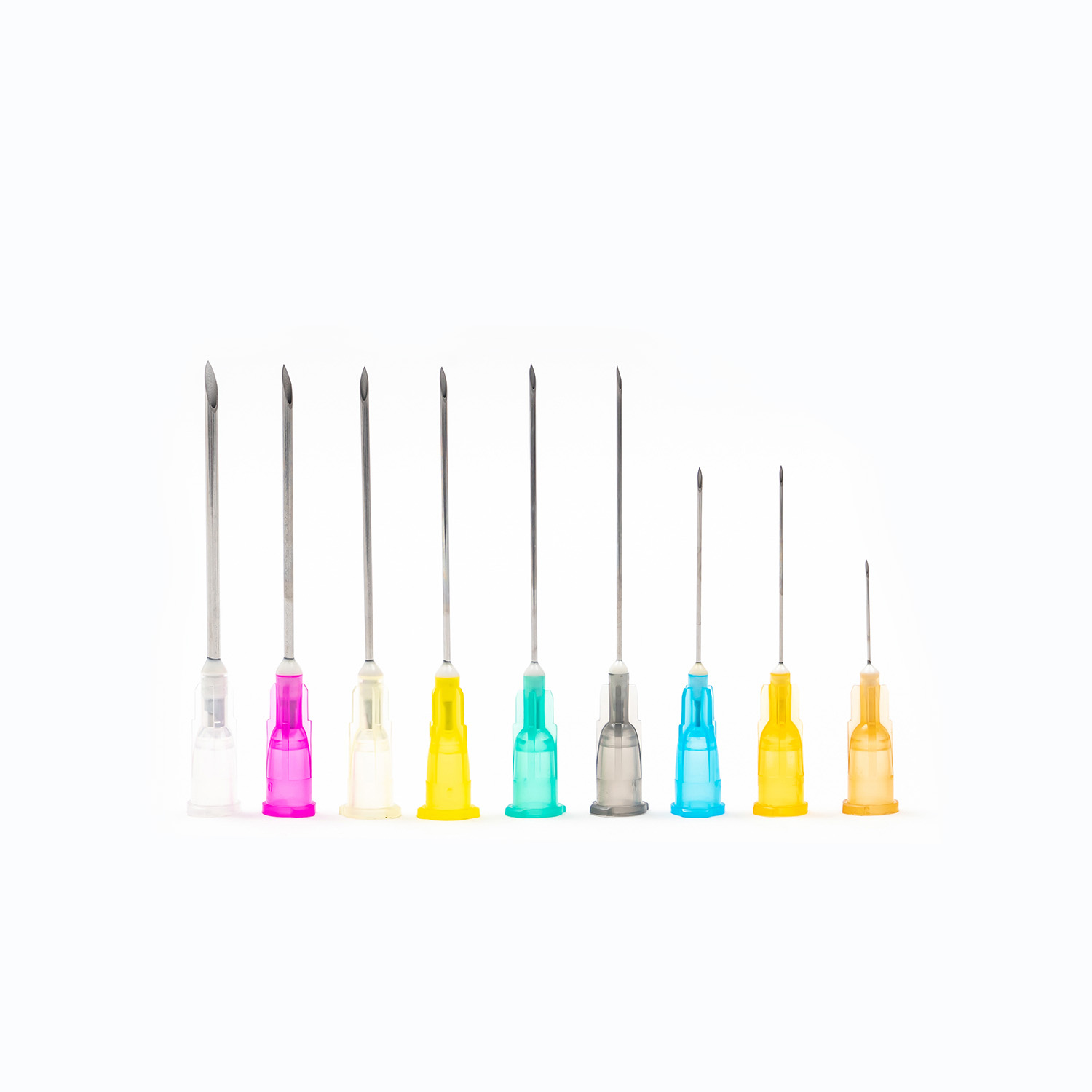
The needle tip is the soul of the Blood Lancet Needle. A reasonable needle tip angle and symmetry ensure a stable puncture path, avoiding discomfort caused by deviation. The multi-faceted cutting structure formed through precision grinding allows the needle tip to effectively penetrate the skin upon contact, reducing irritation to tissues from repeated squeezing. For automated blood collection devices, needle tip consistency is particularly critical, as it relates to the controllability of the puncture depth with each trigger, thus ensuring the repeatability of blood collection results.
Safety Design and Aseptic Guarantee
In the field of medical consumables, safety is always paramount. Blood Lancet Needles are typically designed for single use to avoid the risk of cross-infection. Individually sealed packaging combined with a strict sterilization process ensures the product remains sterile before opening. Some products also incorporate anti-rebound or anti-accidental contact designs in their structure, making the use process even safer. These safety details not only meet regulatory requirements but also reflect the manufacturer's emphasis on the end-user experience.
The Value of Compatibility and Stability
High-quality Blood Lancet Needles are designed from the outset with compatibility with mainstream lancing devices in mind. Stable size control and consistent structural parameters ensure smooth operation in different devices. Good compatibility not only improves ease of use but also reduces blood collection failures due to improper assembly. For scenarios requiring high-volume use, product stability translates to lower waste rates and higher overall efficiency.
The Impact of Detail Quality on Long-Term User Experience
Although small, lancing needles are used repeatedly over a long period. Insufficient needle strength or lax manufacturing processes can easily lead to bending or breakage during use. High-quality blood lancet needles undergo multiple quality checks during production to ensure consistency in sharpness, strength, and appearance. These subtle details determine the product's reliability in practical applications.
FAQ
What kind of blood lancet needle is suitable for long-term use?
Blood lancets suitable for long-term use should have stable needle tip craftsmanship, good surface finish, and reliable aseptic packaging to maintain comfort and safety during frequent blood collection.
What primarily determines the pain level during blood collection?
Pain level is closely related to needle tip sharpness, structural design, and stability at the moment of puncture. High-quality lancets can complete effective punctures in a shorter time, thus reducing discomfort.
Will the blood lancet needle affect test results?
The needle itself does not directly change the test values, but a stable blood collection process ensures sample quality, thereby indirectly improving the reliability of test results.
How to determine if a blood lancet is reliably made?
A comprehensive judgment can be made based on factors such as whether the needle surface is smooth, whether the needle tip is symmetrical, and whether the packaging is intact and sterile. These factors all reflect the manufacturing level of the product.
Address
Dingtao District (Yantai) Industrial Park, Shandong Province, China


Products
Mobile Site
