


 English
 Français
 русский
 Español
How Does a Syringe Work in Medical Treatments?
Jun 22,2026
A syringe is a fundamental medical device designed for the precise withdrawal, measurement, and injection of fluids, playing a vital role in global healthcare. From administering life-saving vaccines to managing chronic conditions with insulin, the syringe ensures accurate dosage delivery and patient safety. Its simple yet effective mechanical design remains crucial for both clinical and home care environments. Understanding the different types, proper handling techniques, and safe disposal methods is essential for preventing infections, protecting healthcare workers, and minimizing environmental impact. Ultimately, the syringe is not merely a tool, but a cornerstone of modern preventative and therapeutic medicine.
Core Components and Mechanisms of a Syringe
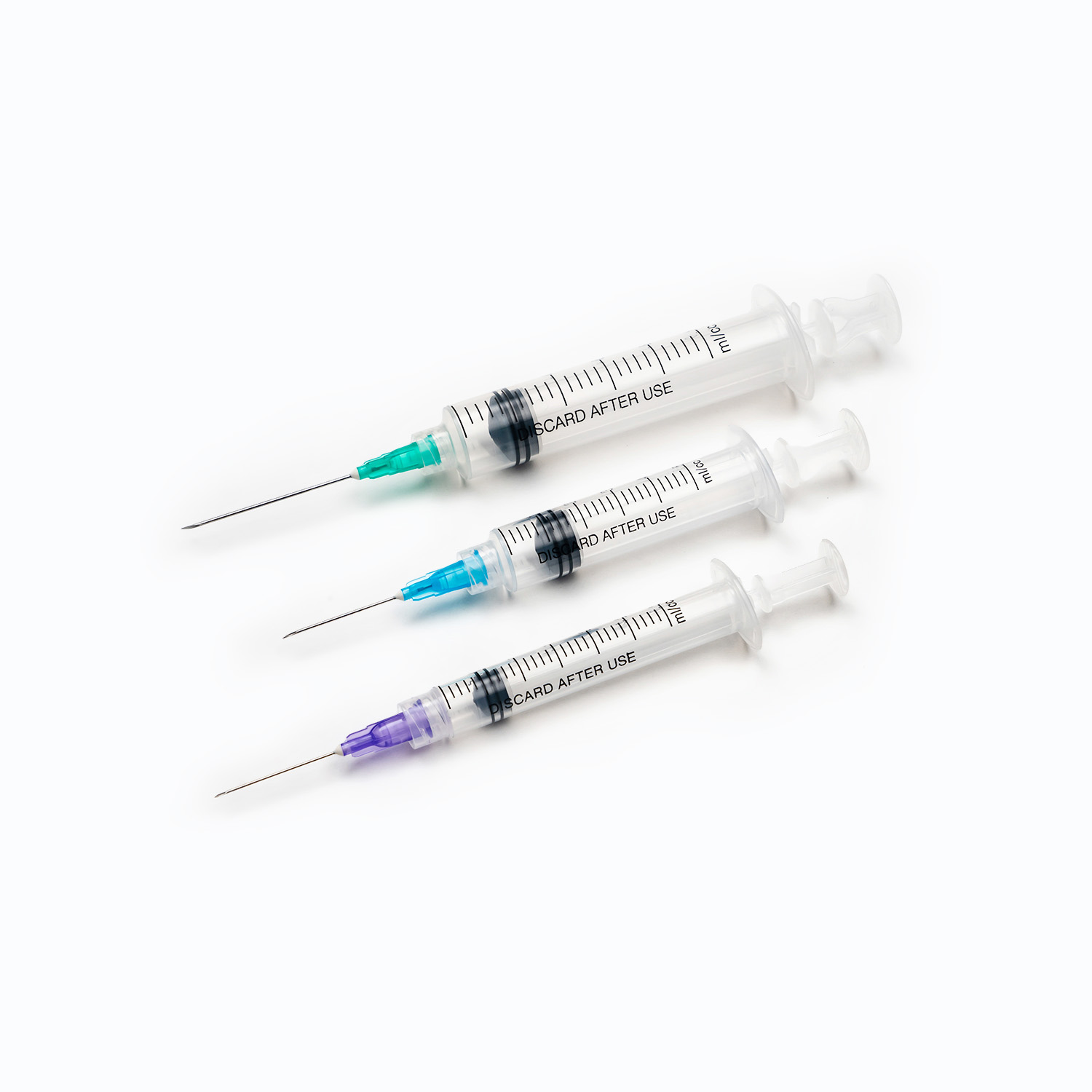
To understand how this device functions, it is important to look at its basic anatomy. A standard syringe consists of several key parts that work together seamlessly to create a vacuum and propel fluids. The precision of these components directly affects the accuracy of medication delivery.
The Barrel
The barrel is the hollow cylindrical tube that holds the fluid. It is typically marked with graduation lines to allow for accurate measurement of the liquid being drawn or expelled. The transparent nature of the barrel material allows medical professionals to easily detect air bubbles and verify the medication. The interaction between the plunger and the inner wall of the barrel must be perfectly calibrated to maintain a reliable airtight seal during operation.
The Plunger and Flange
Located inside the barrel, the plunger is a solid rod with a rubber or synthetic tip that creates an airtight seal. Pushing or pulling the plunger changes the pressure inside the barrel, drawing fluid in or pushing it out. The flange is the flat wing at the top of the barrel, providing a surface for the fingers to push against during injection. If the seal is too tight, the user may struggle to administer the dose smoothly; if too loose, the medication may leak.
The Tip and Needle Hub
The tip is the narrow end of the barrel where the fluid exits. It is designed to securely attach a needle hub. There are different tip designs, such as Luer Lock, which twists and locks the needle in place, and Luer Slip, which relies on friction. The Luer Lock mechanism is highly preferred in clinical settings because it prevents the needle from accidentally detaching during high-pressure injections, ensuring continuous patient safety.
Major Types of Syringes and Their Specific Applications
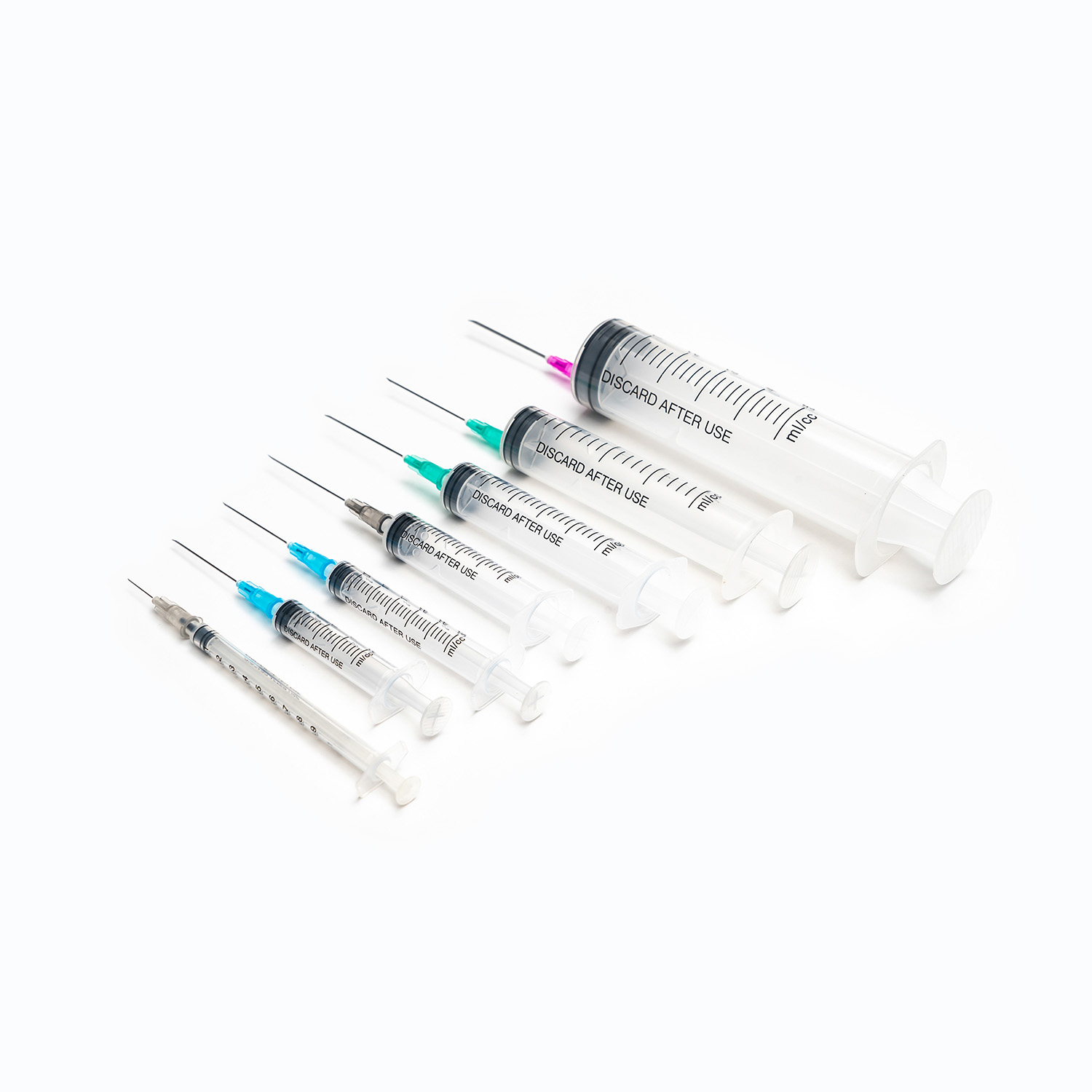
Not all syringes are created equal. The design varies significantly depending on the intended medical application. Using the correct type is critical for patient comfort, medication efficacy, and safety. Selecting the right syringe involves matching the volume of the device to the dose required, as using a large syringe for a very small dose can lead to significant percentage errors.
Standard Medical Syringes
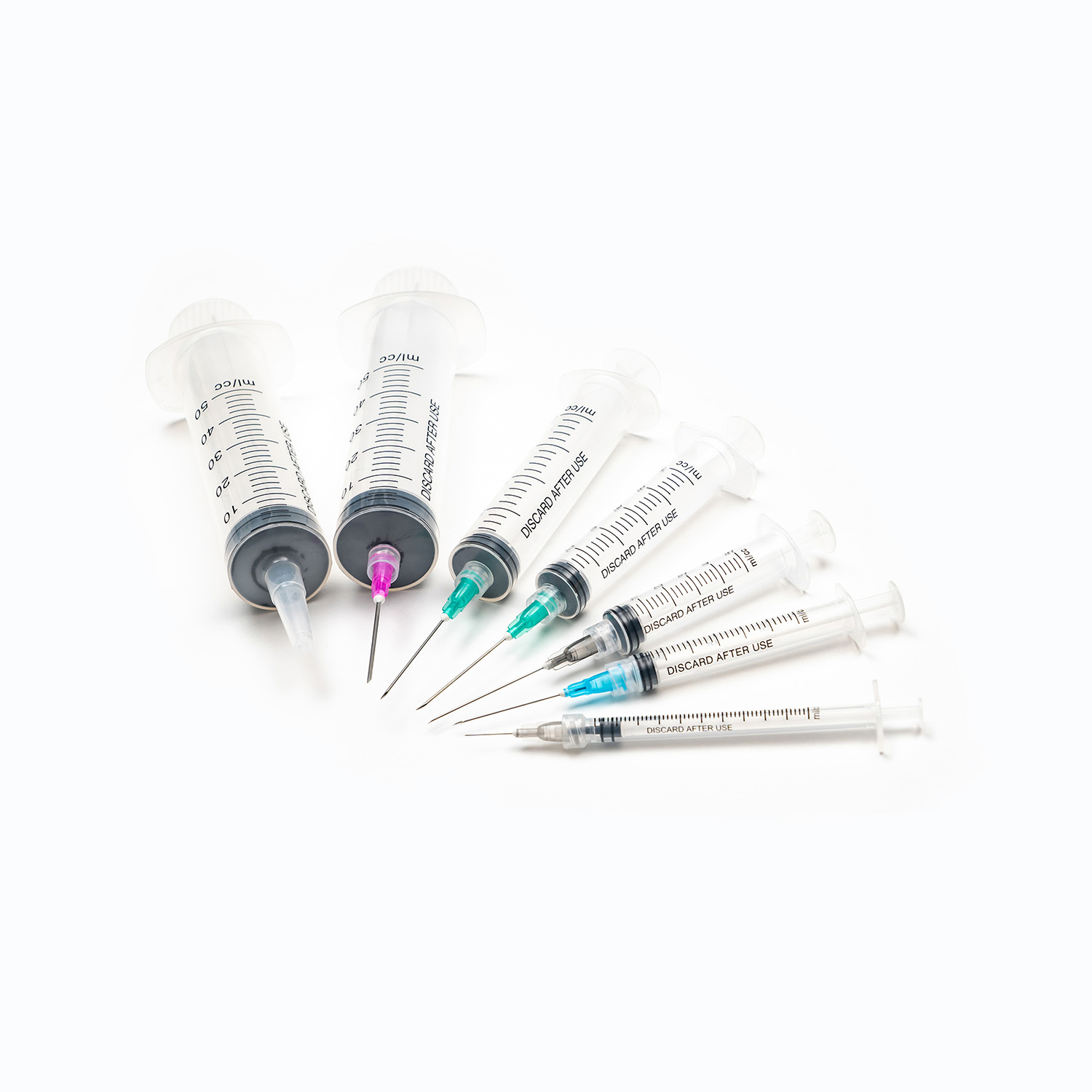
These are the most common types used in hospitals and clinics. They come in various volumes, typically ranging from a few milliliters to larger capacities for irrigation or catheter flushing. They are often paired with hypodermic needles for intramuscular or subcutaneous injections, making them versatile tools for general medical practice.
Insulin Syringes
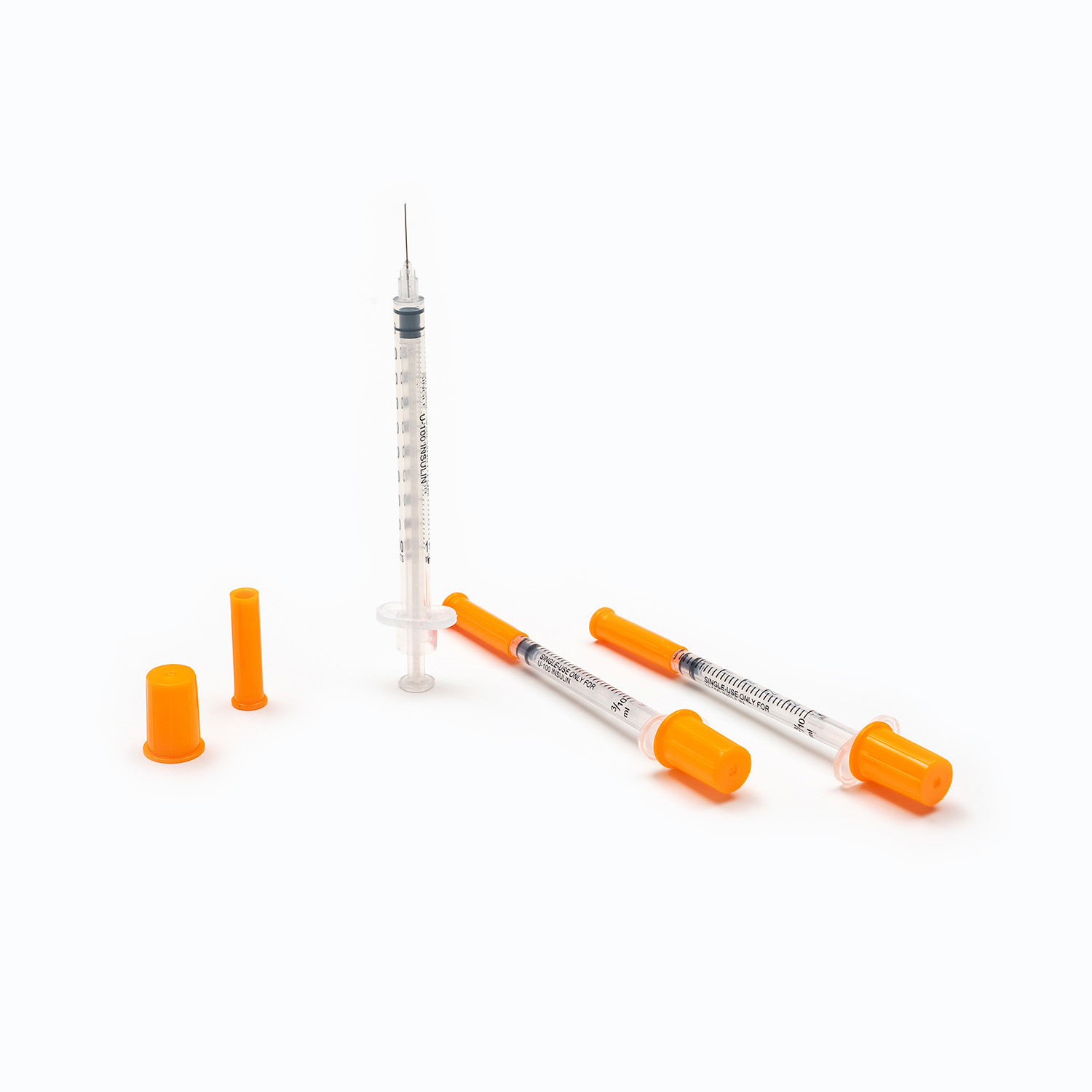
Specially designed for diabetic patients, insulin syringes are calibrated in units rather than milliliters. They feature a fine gauge needle to minimize tissue trauma and pain, as patients often require daily injections. The integrated needle design prevents dead space, ensuring the full dose of insulin is administered accurately every time.
Tuberculin Syringes
These are small-capacity syringes used for tuberculosis testing and other applications requiring highly precise, small-volume dosing, such as pediatric medicine or allergen extracts. They typically hold a very small amount of liquid and feature fine increment markings to allow for exact measurements down to fractions of a milliliter.
Oral Syringes
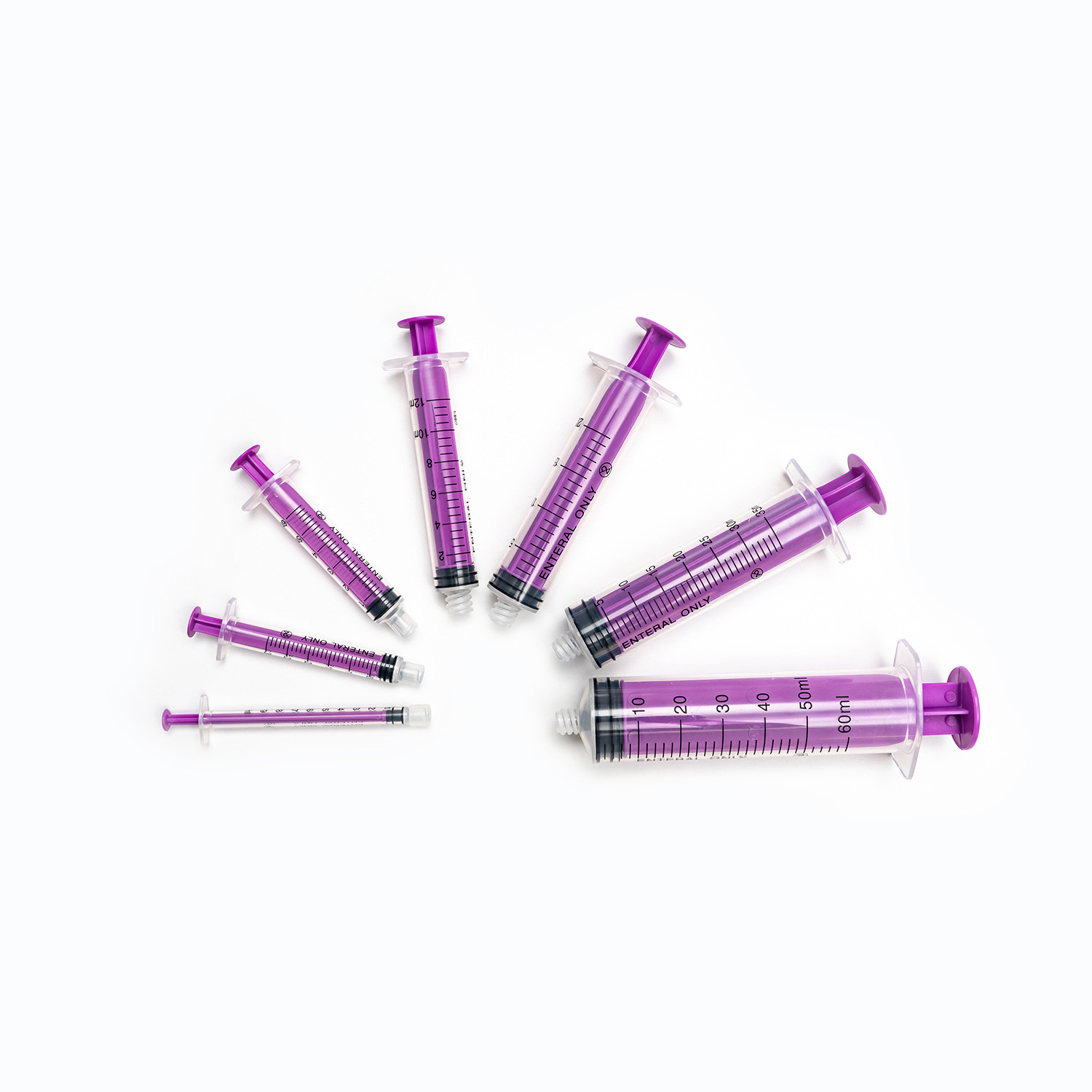
Oral syringes are used to administer liquid medications directly into the mouth, usually for children or patients who have difficulty swallowing. Crucially, oral syringes do not have a needle and often feature a distinct tip design to prevent them from being accidentally connected to intravenous lines.
| Syringe Type | Primary Application | Key Feature |
|---|---|---|
| Insulin | Diabetes management | Unit calibration, fine needle |
| Tuberculin | TB testing, small doses | High precision, small volume |
| Oral | Liquid medication administration | Needle-free, specialized tip |
Safety Mechanisms and Modern Innovations
Needlestick injuries pose a significant risk to healthcare workers, potentially exposing them to bloodborne pathogens. To combat this, modern syringe designs have incorporated advanced safety features that automatically or manually shield the sharp point after use.
Retractable Syringes
Retractable syringes feature a spring-loaded mechanism that pulls the needle back into the barrel immediately after the injection is complete. This automated retraction occurs before the needle leaves the patient's skin, virtually eliminating the risk of post-injection needlestick injuries.
Sheathing Syringes
These devices allow the user to manually slide a protective sheath over the needle after use. While they require a manual action, they provide a physical barrier between the sharp point and the healthcare worker's hands during the disposal process.
Auto-Disable Syringes
Auto-disable syringes are designed for single-use only. After one complete injection, a locking mechanism engages, preventing the plunger from being pulled back for a second use. This is particularly vital in large-scale vaccination campaigns to prevent the reuse of contaminated equipment and the spread of infectious diseases.
Proper Usage and Disposal Protocols
Using a syringe correctly is only half the battle; disposing of it safely is equally important. Following strict protocols protects individuals and the community from accidental harm and environmental contamination. Hand hygiene is paramount; healthcare workers must wash their hands thoroughly or use an alcohol-based sanitizer before handling the packaging.
Best Practices for Administration
Before using a syringe, always inspect the packaging to ensure it is sterile and undamaged. When drawing medication, avoid touching the needle or the tip of the barrel. Expel any air bubbles by tapping the barrel gently and pushing the plunger slightly until liquid appears at the needle tip. The injection site should be cleaned with an appropriate antiseptic wipe using a single downward stroke to prevent introducing surface bacteria into the tissue.
Safe Disposal Guidelines
Never throw a used syringe into regular household trash or recycling bins. Immediate disposal in a designated sharps container is the universal standard for safety. These containers are puncture-proof and clearly labeled, preventing accidental needlesticks for sanitation workers and the public.
- Immediately place the used syringe into a sharps container without attempting to recap the needle.
- Ensure the sharps container is out of reach of children and pets at all times.
- Follow local regulations for dropping off full sharps containers at designated collection sites, such as hospitals or pharmacies.
- Never attempt to break, bend, or remove the needle from the syringe before disposal.
Environmental Impact and Future Trends
The widespread use of disposable syringes has led to significant environmental challenges. Most are made from medical-grade plastics that do not degrade easily, contributing to the global medical waste problem.
The Challenge of Plastic Waste
Because they must be sterile and safe for bodily fluids, recycling traditional syringes is complex and often economically unfeasible. Incineration is a common disposal method, but it can release harmful emissions if not properly managed. The healthcare industry generates millions of tons of plastic waste annually, highlighting an urgent need for sustainable alternatives.
Future Innovations and Biodegradables
Research is currently focused on developing syringes made from biodegradable polymers that can break down safely over time. Other innovations include needle-free injection systems that use high-pressure jets to deliver medication through the skin, eliminating the need for sharp metal components and reducing waste entirely. While still in the early stages of widespread adoption, these technologies represent the future of safe and environmentally responsible medical administration.
Address
Dingtao District (Yantai) Industrial Park, Shandong Province, China


Products
Mobile Site
