


 English
 Français
 русский
 Español
What are the main types and applications of infusion sets?
Jul 01,2026
An infusion set is a core disposable medical device used for intravenous fluid and drug delivery in clinical medicine, with over 95% of general inpatient and outpatient infusion treatments relying on standard infusion sets. It is designed to safely, stably and continuously transport sterile liquids such as saline, glucose and therapeutic drugs into the human venous system. Standard qualified infusion sets feature good biocompatibility, stable flow control and low infection risk, and their standardized use, regular replacement and correct selection are the key guarantees to avoid clinical adverse reactions and ensure treatment safety.
Basic Definition and Core Working Principle of Infusion Set
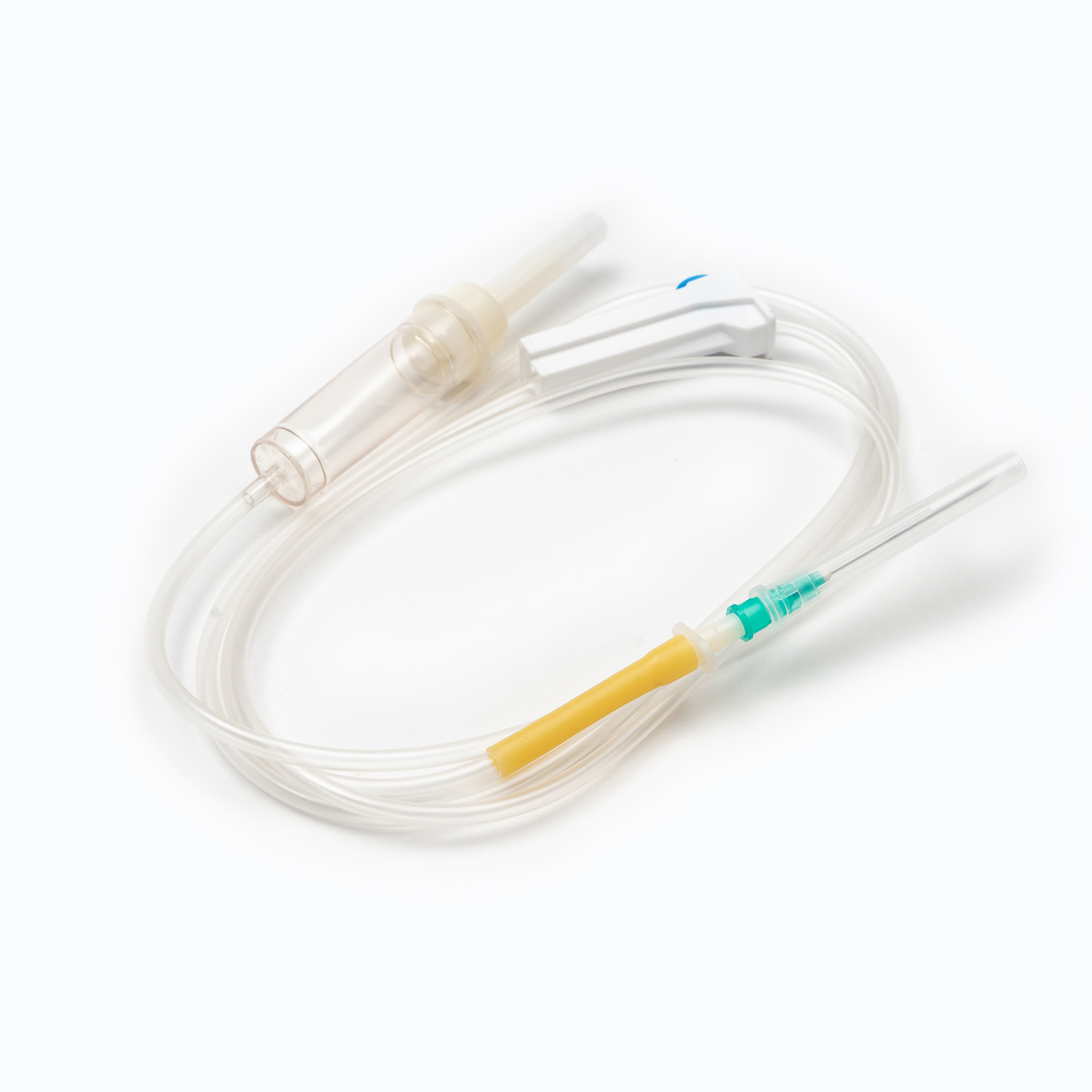
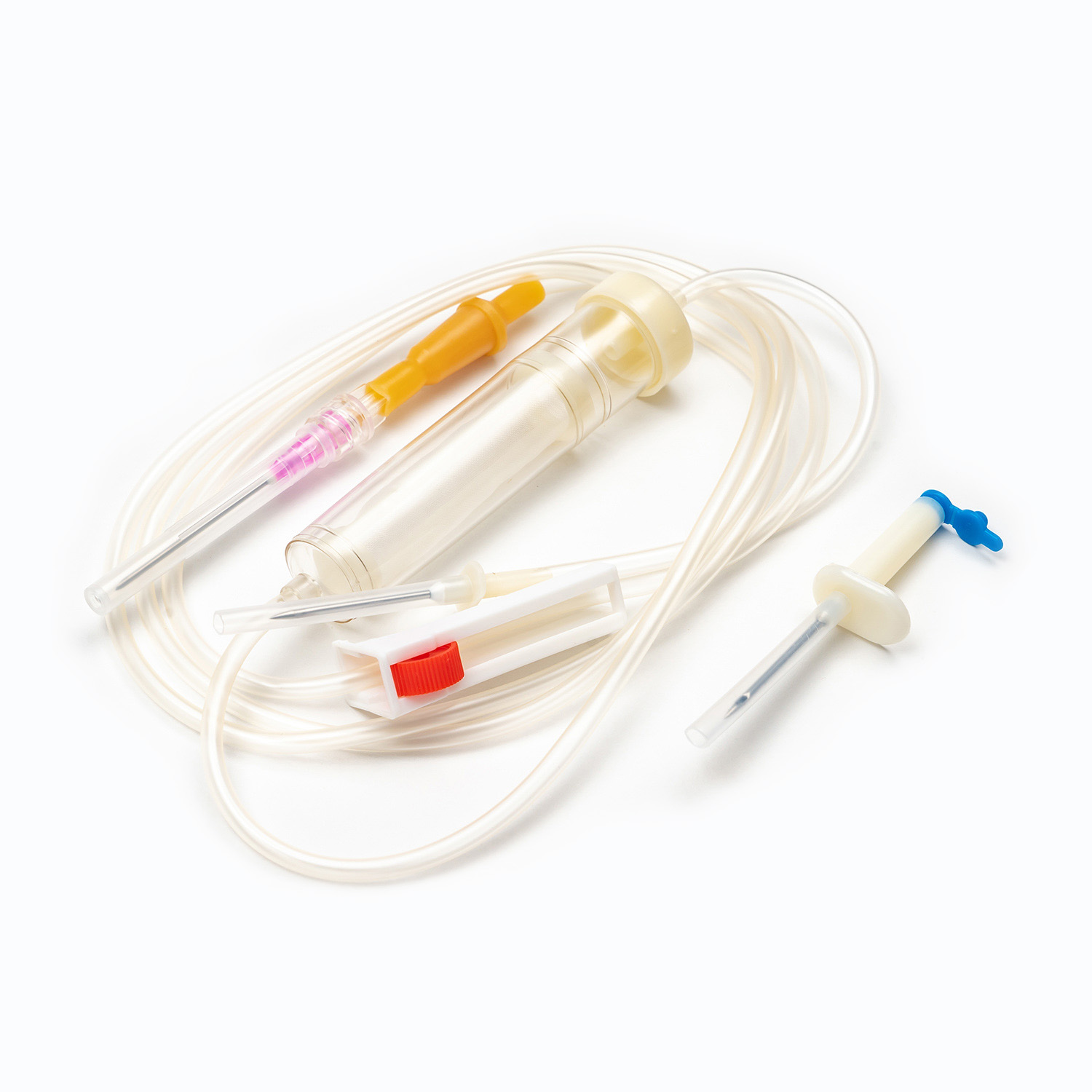
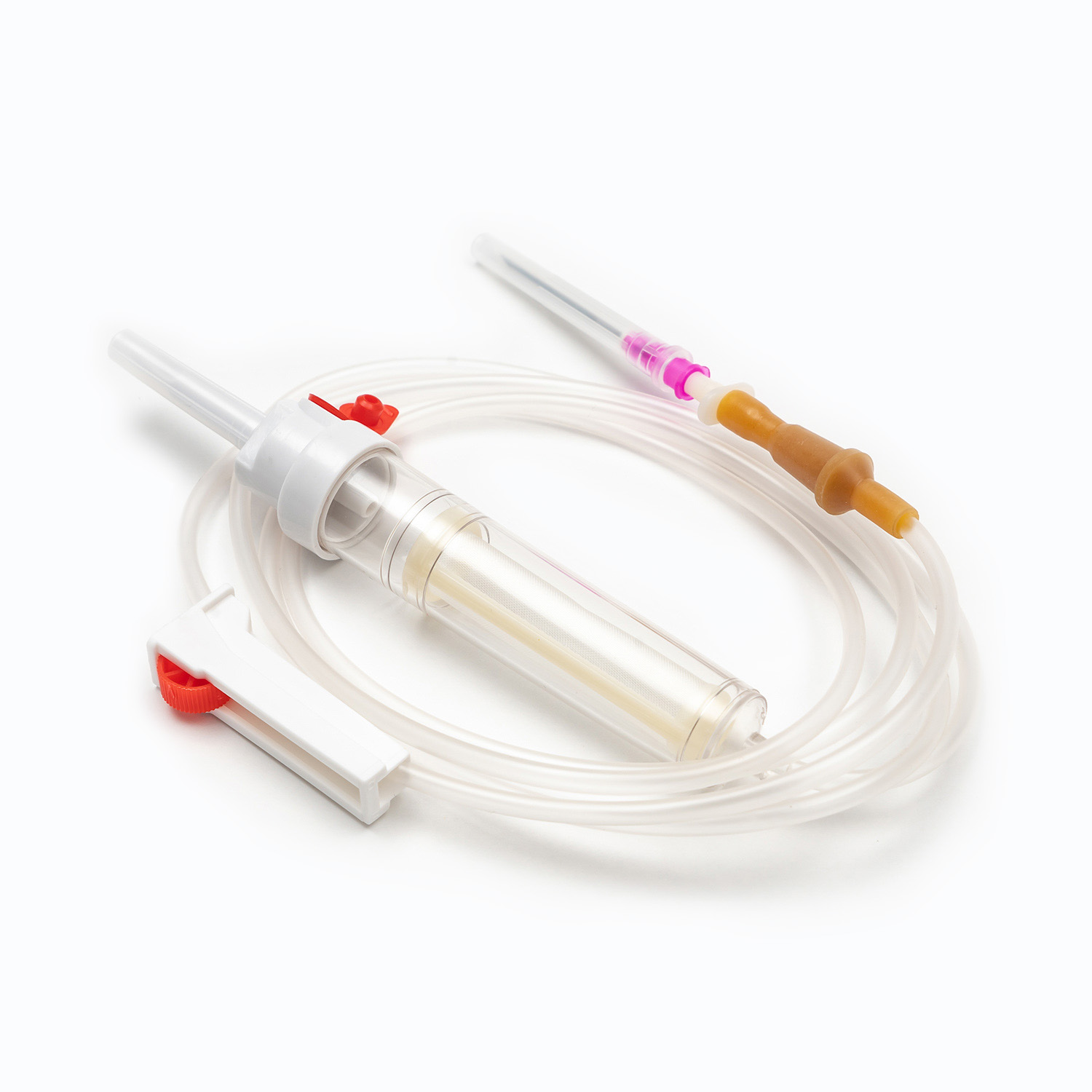
An infusion set is a complete assembly of medical accessories specially used for intravenous infusion therapy, which connects infusion containers and human veins to form a closed and sterile infusion channel. Different from simple injection tools, it can realize continuous and adjustable liquid delivery, and is suitable for long-term and quantitative drug supplementation and fluid resuscitation treatment. The whole working process follows the physical principle of atmospheric pressure and liquid gravity difference, forming a stable power system for liquid flow.
Working Mechanism Analysis
The infusion system relies on the height difference between the liquid level of the infusion container and the human vein to generate hydraulic pressure. When the internal pressure of the pipeline is higher than the venous pressure of the human body, the liquid will flow steadily into the blood circulation. The core regulating component of the infusion set is the flow regulator, which controls the cross-sectional area of the pipeline to adjust the liquid flow rate, realizing precise control of infusion speed. Meanwhile, the built-in filter screen of the infusion set can intercept tiny impurities in the liquid, effectively preventing particulate matter from entering the human blood vessels and causing vascular blockage or inflammatory reactions.
In clinical verification, standard infusion sets can filter particulate impurities larger than 15μm in infusion liquid, reducing the incidence of intravenous phlebitis by more than 80%. The sterile design of the whole pipeline avoids secondary bacterial pollution during infusion, which is the core reason why it is widely used in modern clinical infusion treatment.
Main Classification and Applicable Scenarios of Infusion Sets
Infusion sets can be classified according to structural design, functional characteristics and clinical application scenarios. Different types of infusion sets have targeted design advantages and fixed applicable patient groups and treatment scenarios, which need to be selected strictly according to clinical needs to ensure treatment effect and safety.
Common Classification Types and Characteristics
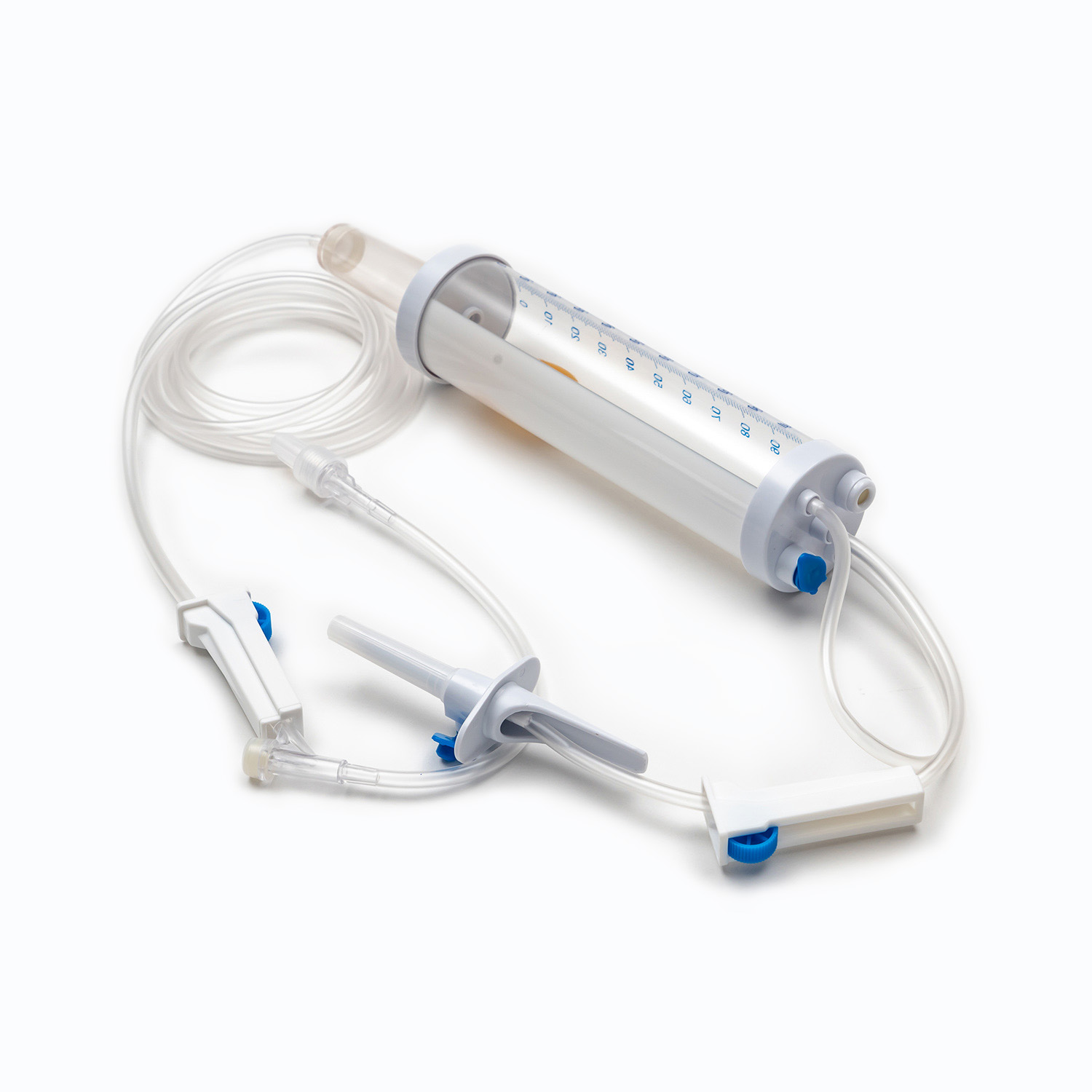
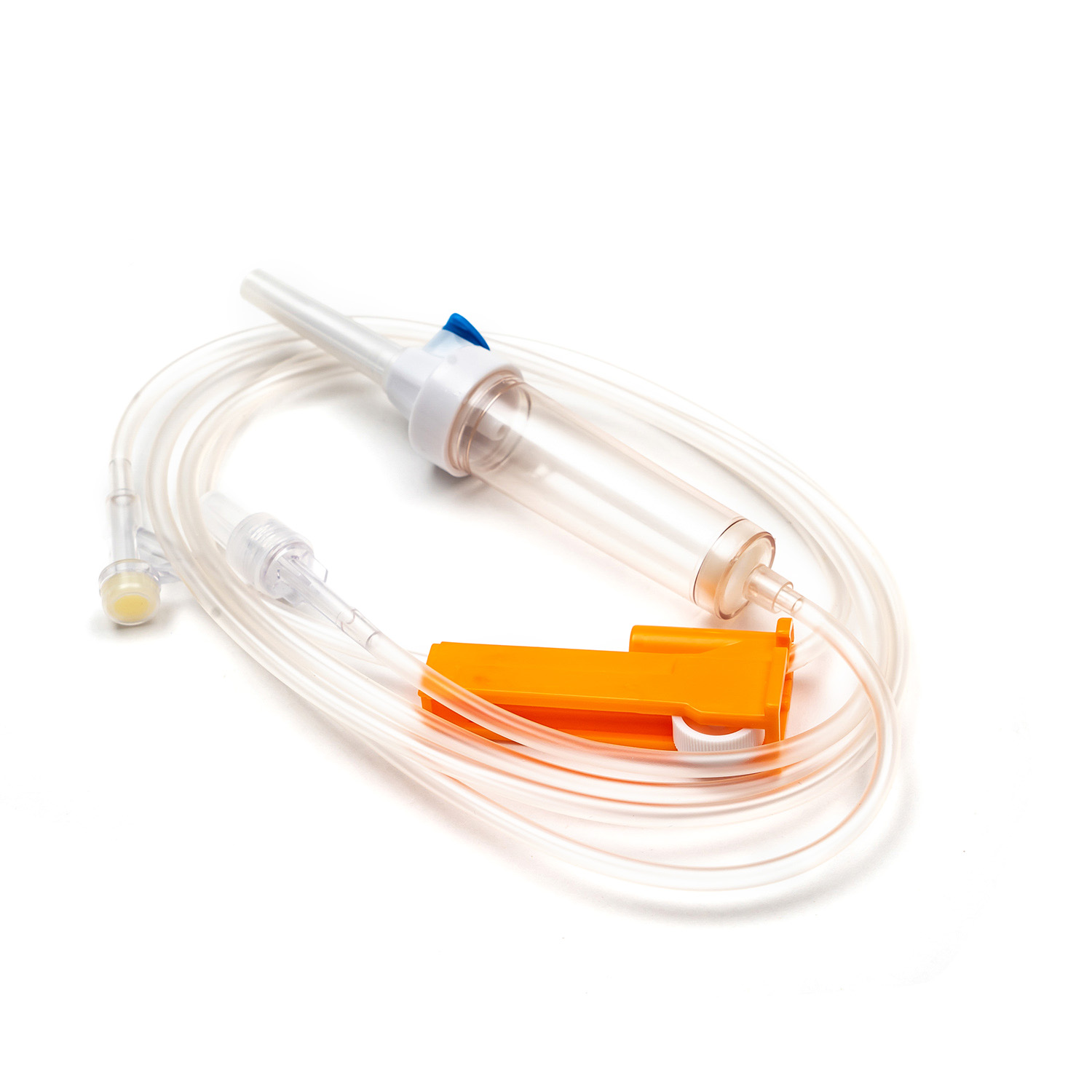
- Ordinary disposable infusion set: The most basic and widely used type of infusion set, with a simple structure, complete basic functions of flow regulation and impurity filtration. It is mainly applicable to routine intravenous infusion of common diseases in general wards, outpatient departments and community medical institutions, and is suitable for adult and adolescent patients with stable vital signs.
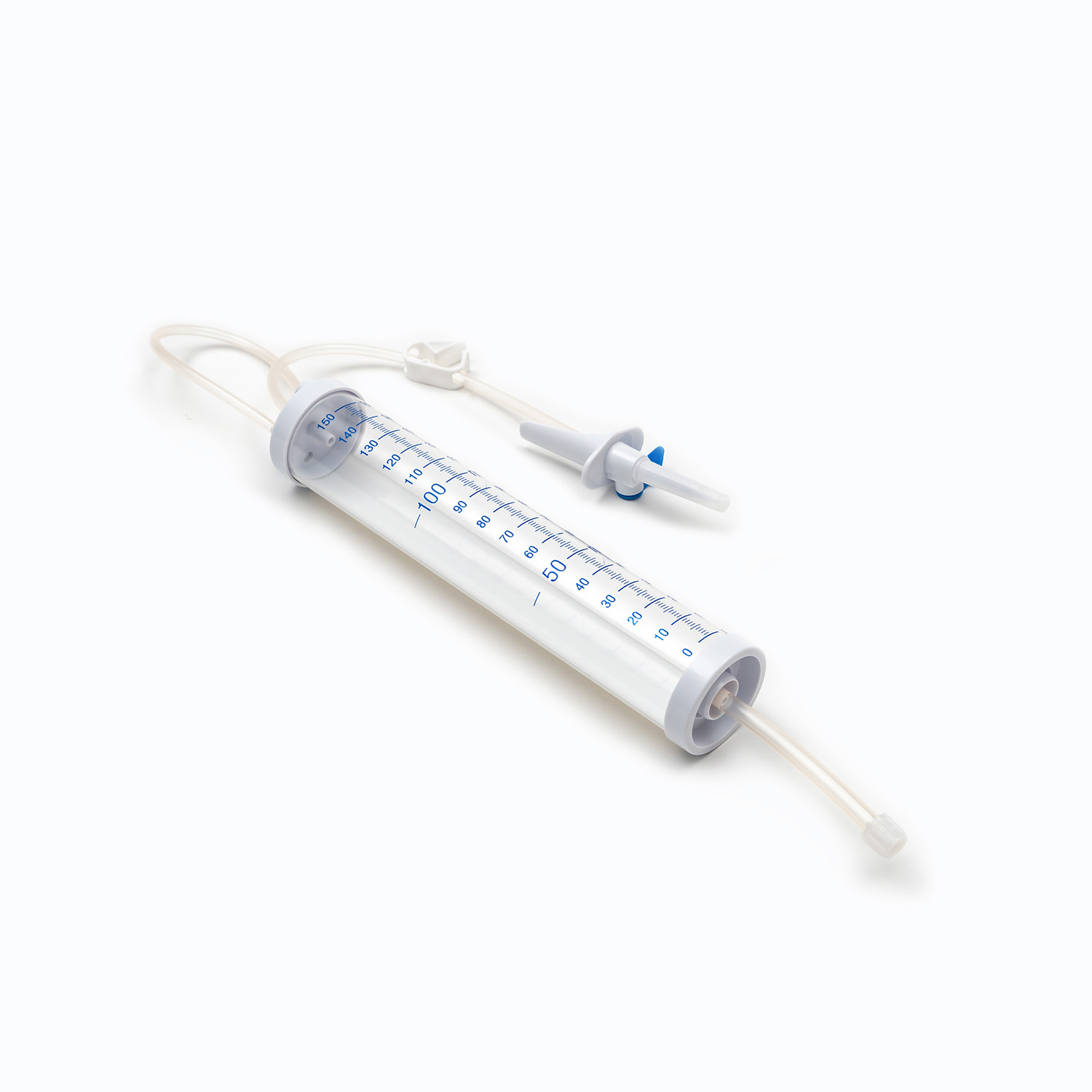
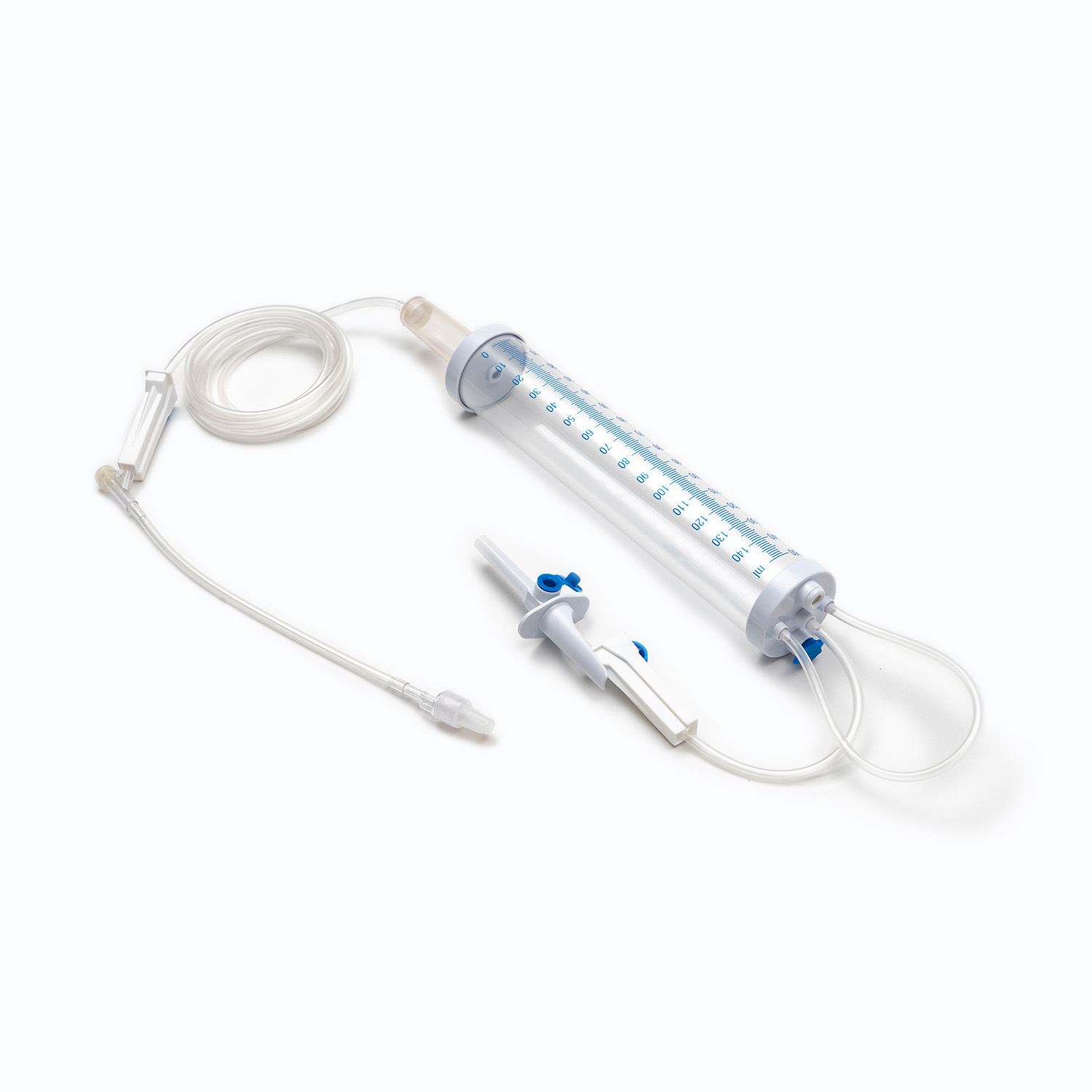
- Precision infusion set: Equipped with a high-precision flow control device and ultra-fine filter screen, it can realize micro and stable flow rate adjustment. It is specially used for the infusion of sensitive drugs such as antibiotics, cardiovascular drugs and chemotherapeutic drugs, as well as infant and elderly patients with weak tolerance, which can effectively avoid adverse reactions caused by excessive or unstable infusion speed.
- Anti-reflux infusion set: Added one-way anti-reflux structure on the basis of ordinary structure, which can prevent venous blood reflux and liquid backflow when the infusion container liquid level is too low or the patient's body position changes. It is widely used in critically ill patients and long-term bedridden patients to reduce the risk of pipeline blockage and infection.
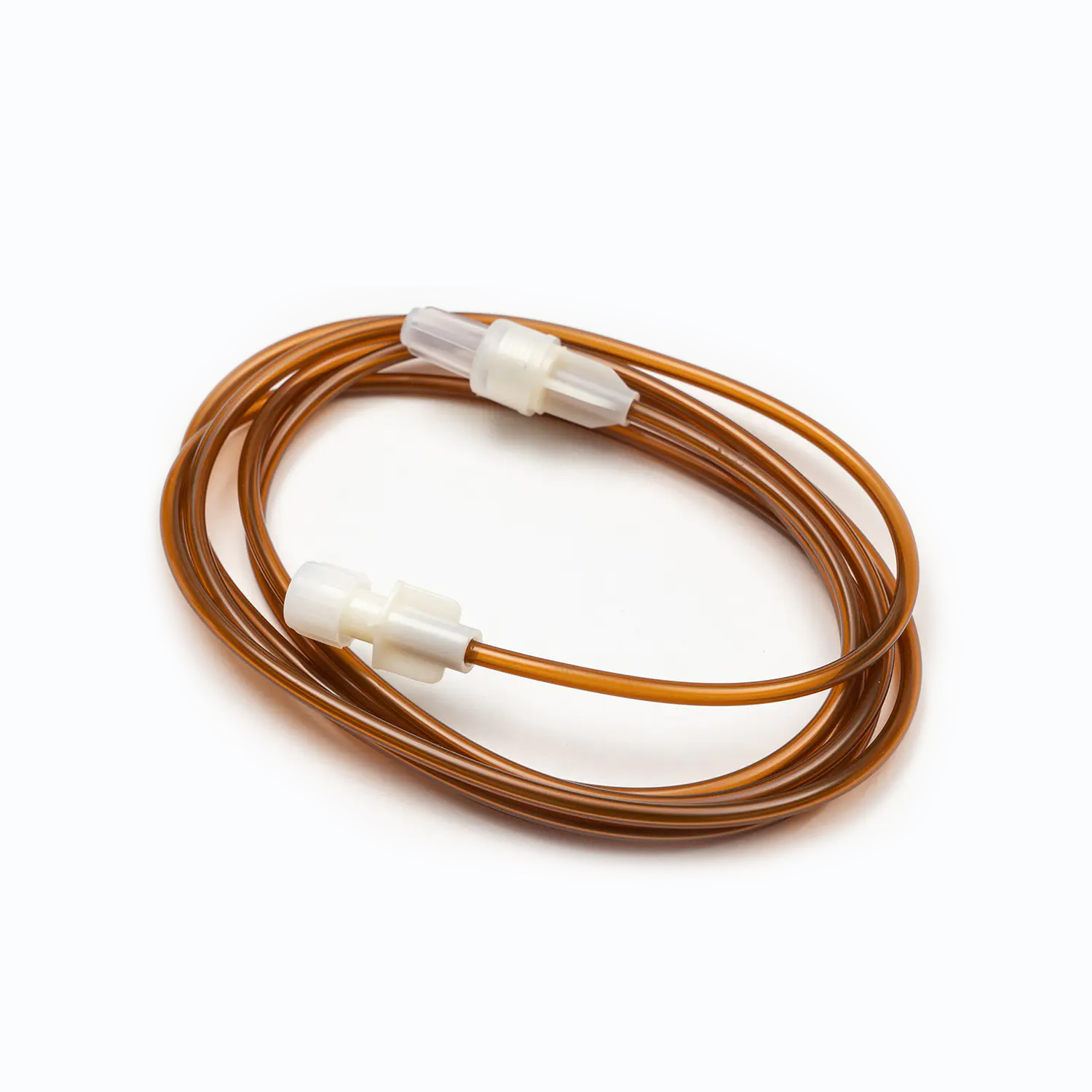
- Light-proof infusion set: The pipeline is made of light-shielding medical materials, which can prevent photosensitive drugs from decomposing and failing under light irradiation. It is exclusively used for the infusion of photosensitive therapeutic drugs to ensure the efficacy of drugs.
Comparison of Core Application Scenarios of Different Infusion Sets
| Infusion Set Type | Core Functional Advantage | Main Applicable Scenarios |
|---|---|---|
| Ordinary Disposable Infusion Set | Cost-effective, complete basic functions | Routine outpatient and inpatient infusion |
| Precision Infusion Set | Accurate flow control, high filtration precision | Drug precision infusion, infant and elderly infusion |
| Anti-reflux Infusion Set | Prevent liquid and blood reflux | Critically ill patients, long-term bedridden infusion |
| Light-proof Infusion Set | Avoid photolysis of photosensitive drugs | Infusion of photosensitive therapeutic drugs |
Standard Operating Steps for Infusion Set Use
Standardized operation is the key to give full play to the function of the infusion set and avoid clinical risks. Non-standard operation is one of the main causes of infusion failure, local vascular irritation and secondary infection. The whole use process is divided into pre-use inspection, assembly operation, infusion adjustment and post-use disposal, with strict standardized requirements for each link.
Complete Standard Operation Process
- Pre-use sterile inspection: Check the packaging integrity, production validity period and sterile state of the infusion set. It is forbidden to use any infusion set with damaged packaging, expired validity or visible dirt and deformation. Clinical data shows that unqualified infusion set inspection accounts for 35% of all infusion safety hazards.
- Assembly and exhaust operation: After opening the sterile packaging, connect the infusion set with the infusion container tightly, hang the container at a fixed height, squeeze the drip chamber to store a certain amount of liquid, and slowly release the pipeline to completely exhaust the air in the pipeline to avoid air embolism caused by air entering the blood vessels.
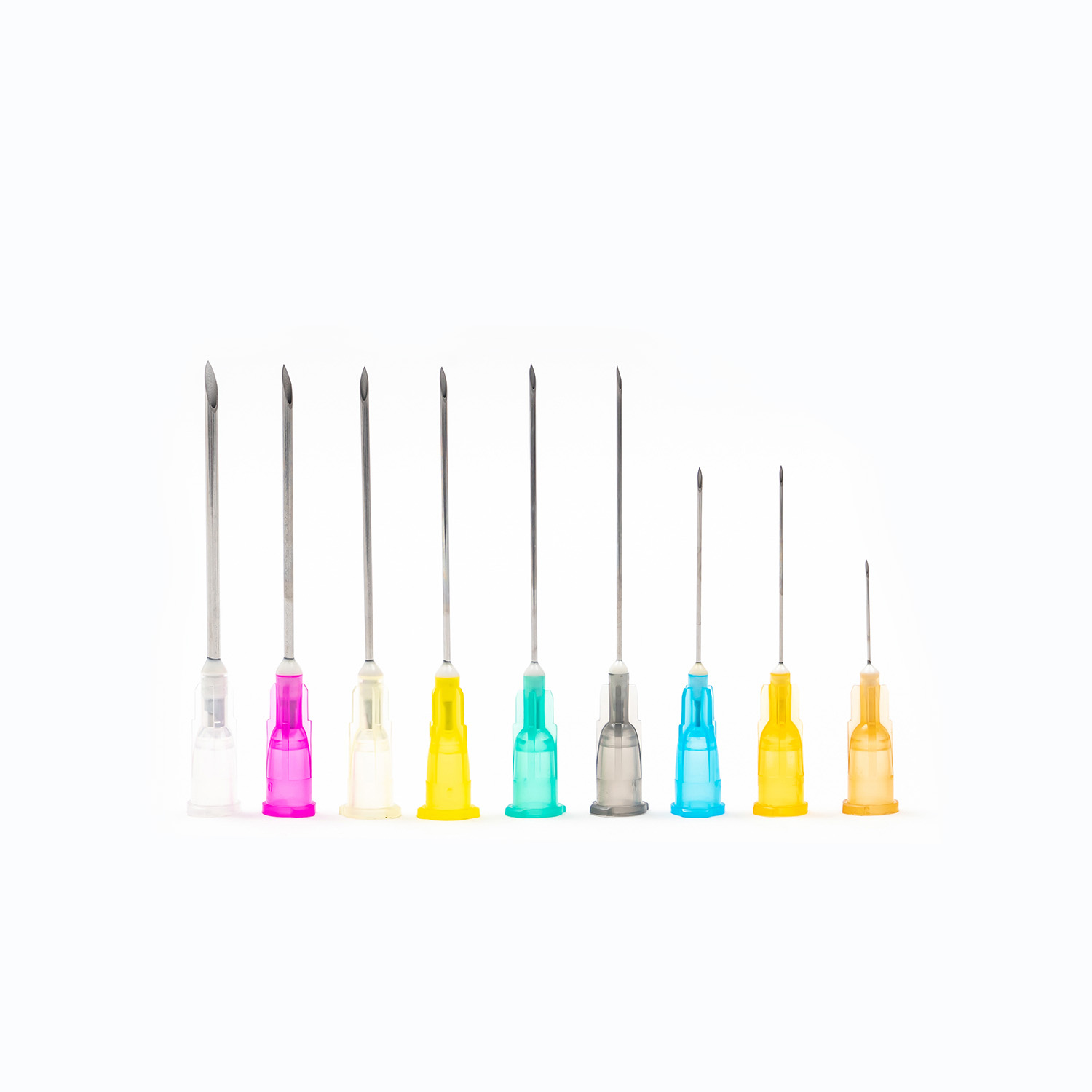
- Vein puncture and fixation: After routine disinfection of the patient's venous puncture site, perform puncture with the needle head of the infusion set. After confirming the smooth blood return, fix the needle body and pipeline to avoid pipeline displacement and needle detachment during patient movement.
- Infusion speed adjustment: Adjust the flow regulator according to the patient's age, physical condition and drug characteristics. For adult routine infusion, the flow rate is kept at a moderate level, while for infants, the elderly and patients with cardiopulmonary insufficiency, the flow rate needs to be reduced appropriately to avoid excessive cardiac load.
- Real-time monitoring and post-disposal: Monitor the patient's local puncture site and physical state during infusion. After the infusion is completed, pull out the needle gently, press the puncture site to stop bleeding, and dispose of the used infusion set as medical waste in a standardized manner to avoid cross-infection.
Key Safety Specifications and Replacement Standards for Infusion Sets
As a disposable medical device directly contacting human blood and drugs, the infusion set has strict national and industry safety specifications in terms of material quality, use cycle and risk prevention. Abnormal service and overdue use will greatly increase the risk of phlebitis, infection and pipeline blockage.
Material Safety Specifications
Qualified infusion sets are made of medical-grade high-polymer materials, which have non-toxic, non-irritating and high biocompatibility. The materials will not produce chemical reaction with conventional infusion drugs, and will not release harmful substances into the liquid. All formal infusion sets must pass biological safety tests such as hemolysis test and skin irritation test, which ensures that the device will not cause damage to human blood and tissues during use.
Standard Replacement Cycle
In clinical medical specifications, the conventional replacement cycle of disposable infusion sets is 24 hours. For patients with long-term continuous infusion, the infusion set must be replaced regularly every day. If the pipeline is blocked, polluted, liquid leakage occurs, or the patient has local vascular redness and swelling during use, the infusion set must be replaced immediately regardless of the use time. Timely replacement can reduce the incidence of infusion-related adverse reactions by more than 75%.
Common Safety Risks and Prevention Measures
- Air embolism risk: Caused by incomplete exhaust before infusion or pipeline rupture and air inhalation during infusion. The prevention method is to strictly implement the exhaust operation, check the pipeline tightness in real time, and clamp the pipeline in time when replacing the infusion container.
- Venous phlebitis: Caused by long-term use of the same infusion set, excessive infusion speed or drug irritation. It can be prevented by regular replacement of the infusion set, reasonable adjustment of flow rate and selection of targeted infusion set for special drugs.
- Pipeline blockage: Mainly caused by blood reflux and drug precipitation. The anti-reflux infusion set can be used for high-risk patients, and the pipeline flushing operation can be increased during intermittent infusion.
Clinical Application Value and Development Trend of Infusion Sets
The infusion set is one of the most basic and essential medical devices in clinical treatment. It covers almost all departments such as internal medicine, surgery, pediatrics and emergency department, and undertakes the important task of fluid resuscitation, drug treatment and nutritional support for patients. With the continuous progress of medical technology, the design and performance of infusion sets are also constantly optimized towards precision, safety and intelligence.
At present, with the improvement of clinical medical safety standards, the popularization rate of precision and functional infusion sets is gradually increasing. Traditional ordinary infusion sets are mainly used for routine basic infusion, while high-precision infusion sets with intelligent flow monitoring and automatic alarm functions are increasingly applied in critical care, pediatric treatment and specialized drug infusion scenarios. The market demand for high-performance functional infusion sets has maintained an annual growth rate of more than 10% in recent years, which fully reflects the upgrading of clinical medical safety requirements.
In terms of technological development, the new generation of infusion sets integrates anti-pollution, anti-reflux, precise flow control and real-time monitoring functions, which can effectively reduce manual operation errors and clinical adverse reactions. Meanwhile, the application of degradable medical materials is also a major development direction, which can reduce medical waste pollution while ensuring medical safety, realizing the dual improvement of clinical value and environmental protection value.
Address
Dingtao District (Yantai) Industrial Park, Shandong Province, China


Products
Mobile Site
