


 English
 Français
 русский
 Español
How to Use a Blood Transfusion Set Safely in Clinical Treatment?
Jun 15,2026
A blood transfusion set is a sterile, disposable clinical medical device specially designed for the safe and standardized infusion of blood and blood components into patients’ venous blood vessels. It is an indispensable auxiliary tool in blood transfusion therapy, which can effectively control transfusion speed, filter impurities in blood products, and prevent clinical adverse reactions caused by unstandardized transfusion. In modern clinical medicine, more than 98% of conventional allogeneic blood transfusion treatments rely on standard blood transfusion sets to complete, and its standardized use directly determines the safety and effectiveness of blood transfusion surgery.
Different from ordinary infusion sets, blood transfusion sets are optimized structurally and functionally for the physical characteristics of blood products such as high viscosity, easy precipitation of particulate impurities and susceptibility to coagulation. It integrates multiple protection functions such as filtration, flow regulation and anti-coagulation auxiliary, which can avoid common transfusion risks including particulate embolism, rapid transfusion shock and blood coagulation in the pipeline. All medical-grade blood transfusion sets must pass strict sterile and biocompatibility tests to ensure no toxic or irritant substances are precipitated during clinical use.
Basic Definition and Core Working Principle of Blood Transfusion Set
Basic Definition of Blood Transfusion Set
A blood transfusion set is a one-time sterile medical consumable matched with clinical blood transfusion treatment. It is exclusively used for the intravenous delivery of whole blood, packed red blood cells, plasma, platelets and other blood components. Unlike general intravenous infusion sets suitable for aqueous medicinal solutions, blood transfusion sets are tailored to the unique physical and chemical properties of blood products. Blood contains a variety of cellular components and protein macromolecules, which are prone to produce micro-aggregates and tiny particles during storage and transportation. Ordinary infusion sets cannot intercept these impurities, while professional blood transfusion sets are equipped with special filtering structures to solve this problem.
Core Working Principle
The working logic of the blood transfusion set is based on the principle of gravity drip and physical filtration. Under the action of gravity, blood products flow from the blood storage bag through the pipeline of the transfusion set, and complete three core processes in sequence: impurity filtration, flow rate regulation and stable venous infusion. The core functional link is precision filtration, which can intercept micro-particles and aggregated fragments with a particle size of more than 20 microns in blood, effectively preventing these tiny impurities from entering the patient's blood circulation and causing microvascular embolism, inflammation and other adverse complications.
In addition, the pipeline structure and flow regulator of the blood transfusion set can stabilize the blood delivery speed. Excessively fast blood transfusion will increase the load on the patient's heart and easily cause acute heart failure, while excessively slow transfusion will affect the timeliness of treatment and cause blood product deterioration in the pipeline. The adjustable flow control structure of the transfusion set can meet the transfusion speed requirements of different patients and different blood products, realizing safe and controllable whole-process transfusion.
Complete Component Composition and Functional Analysis of Blood Transfusion Set
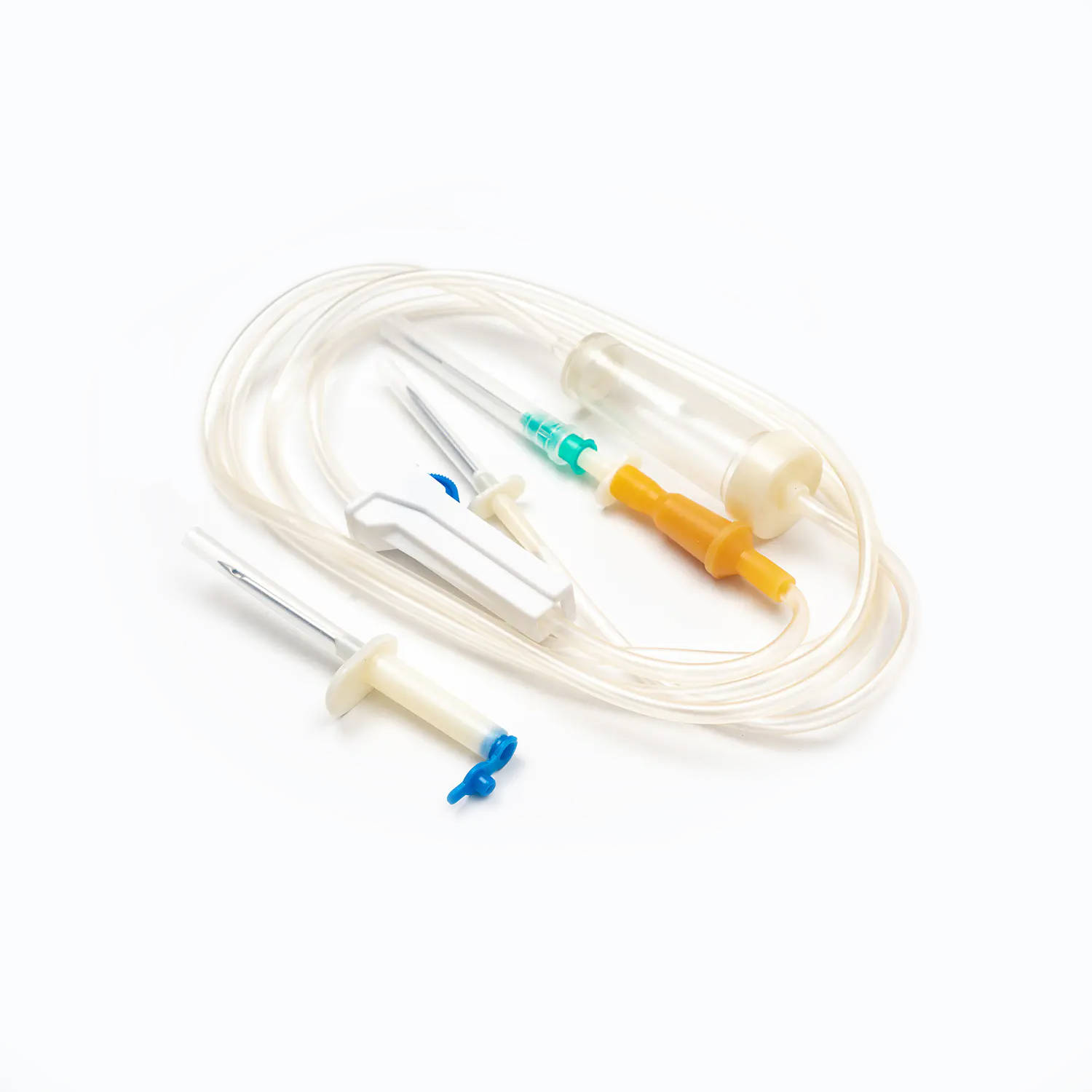
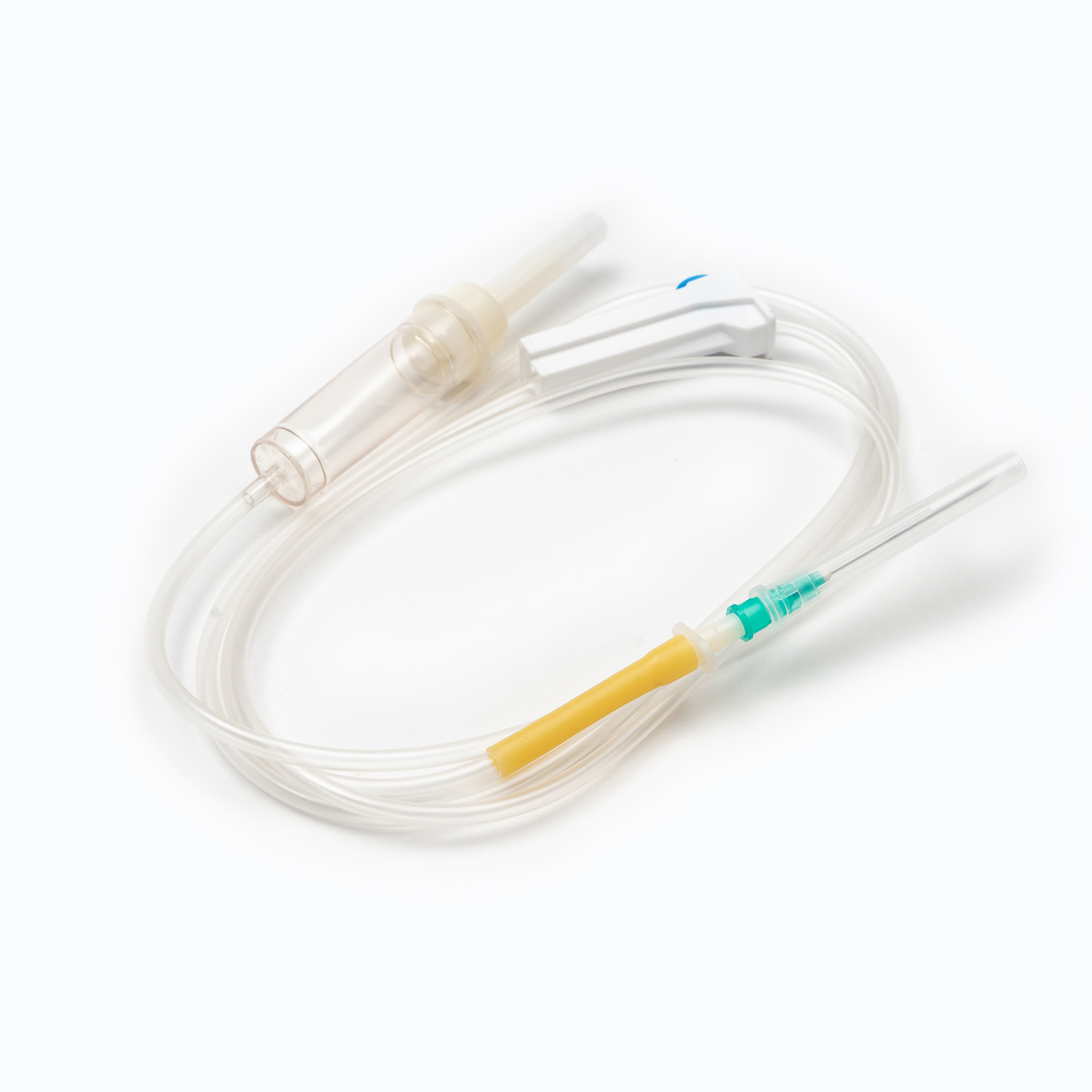
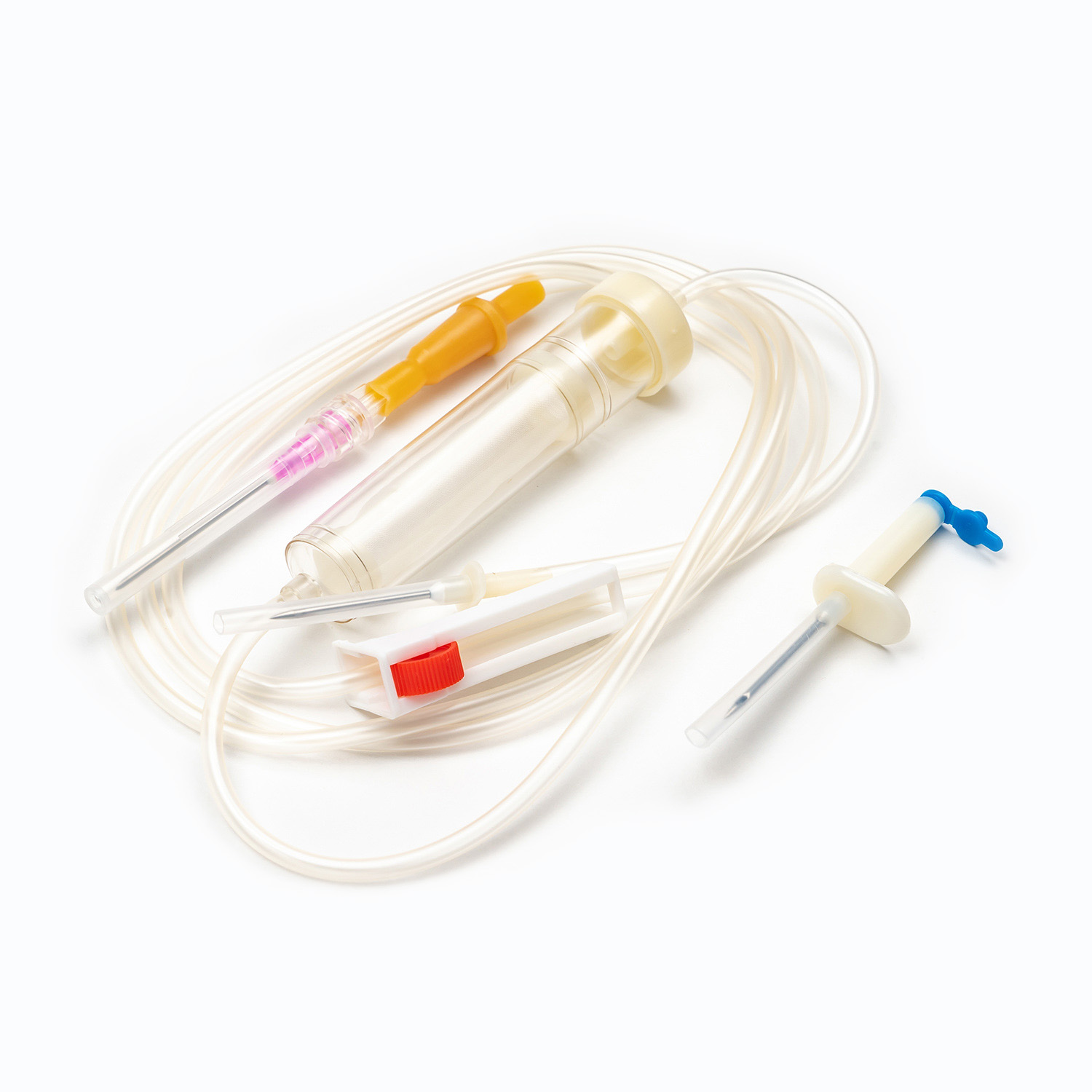
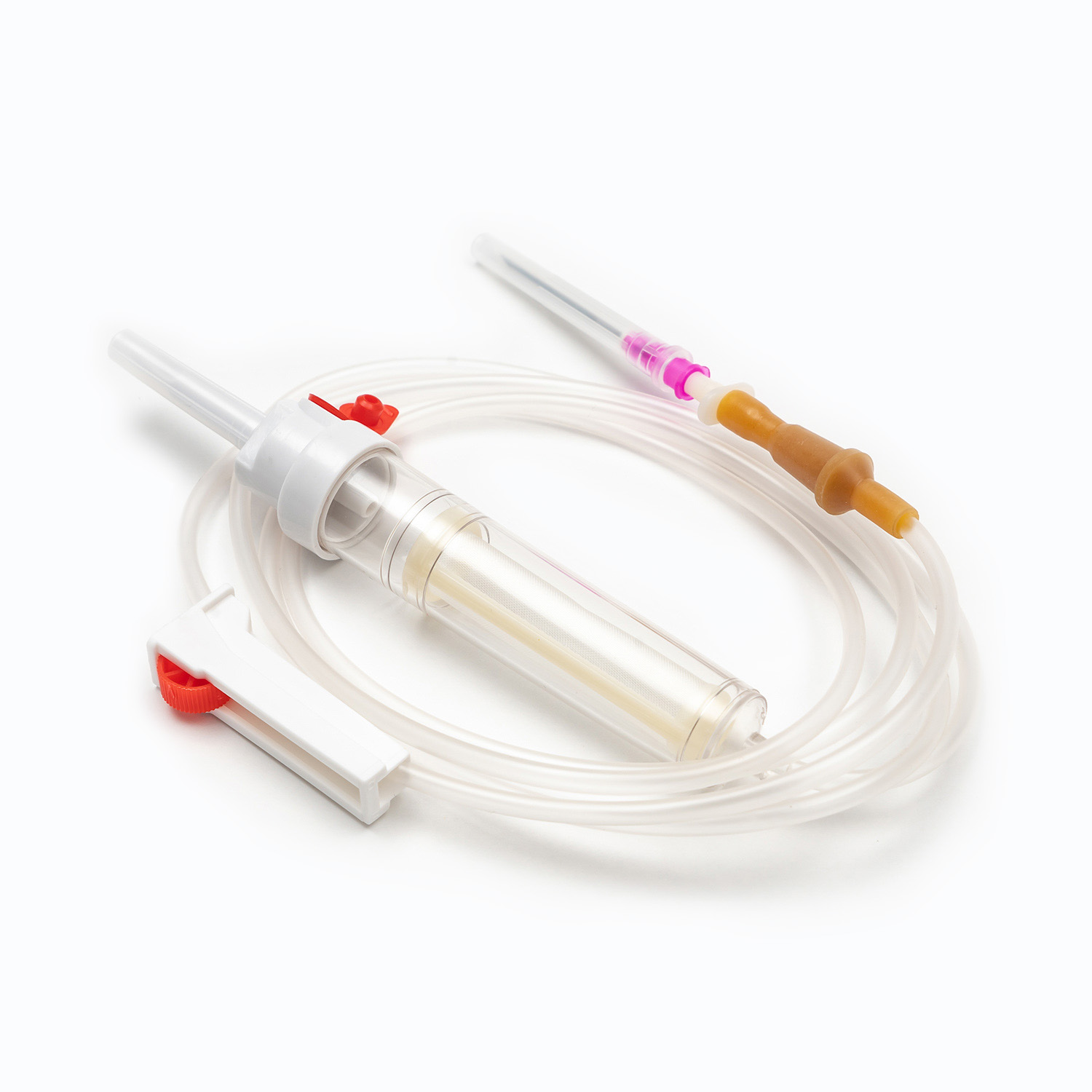
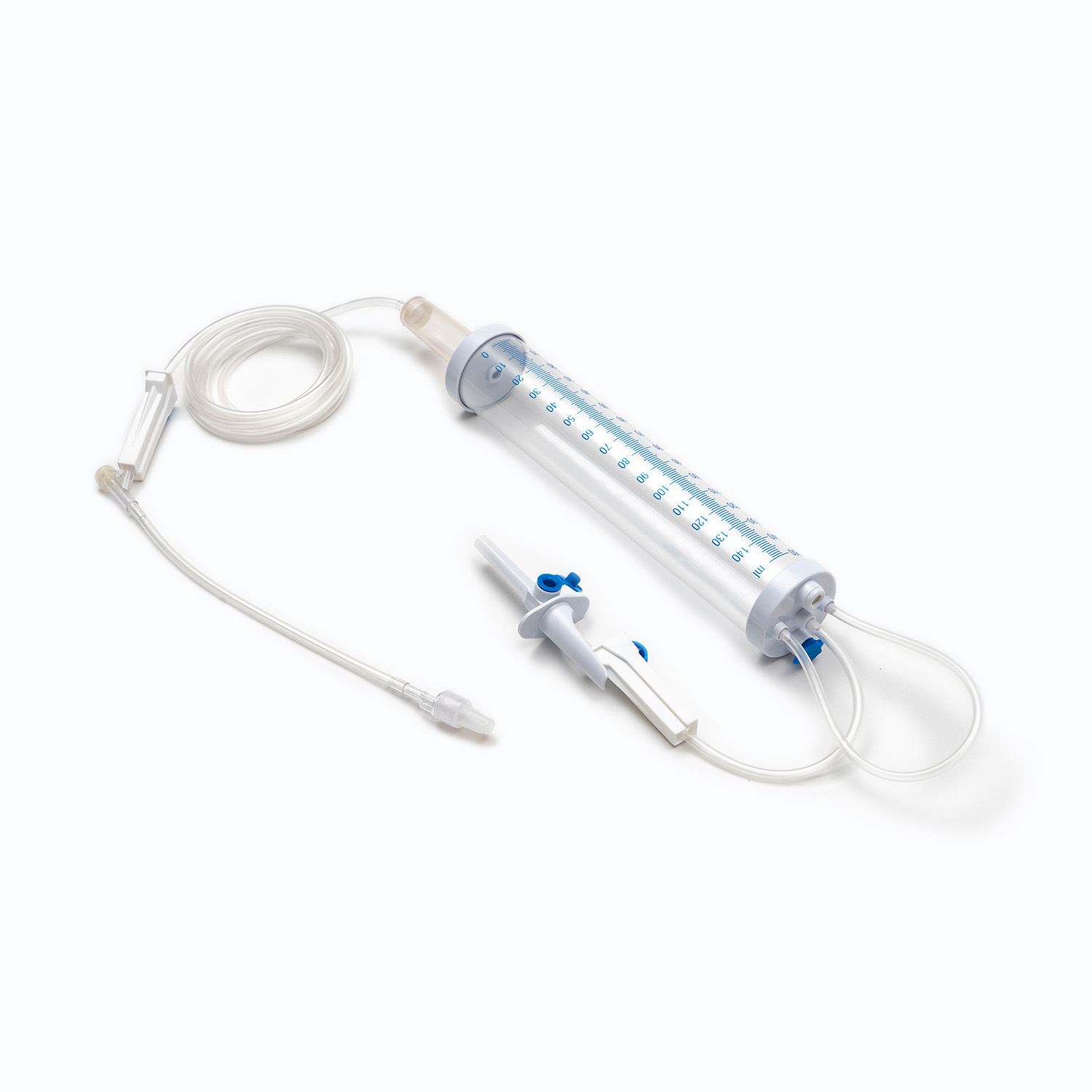
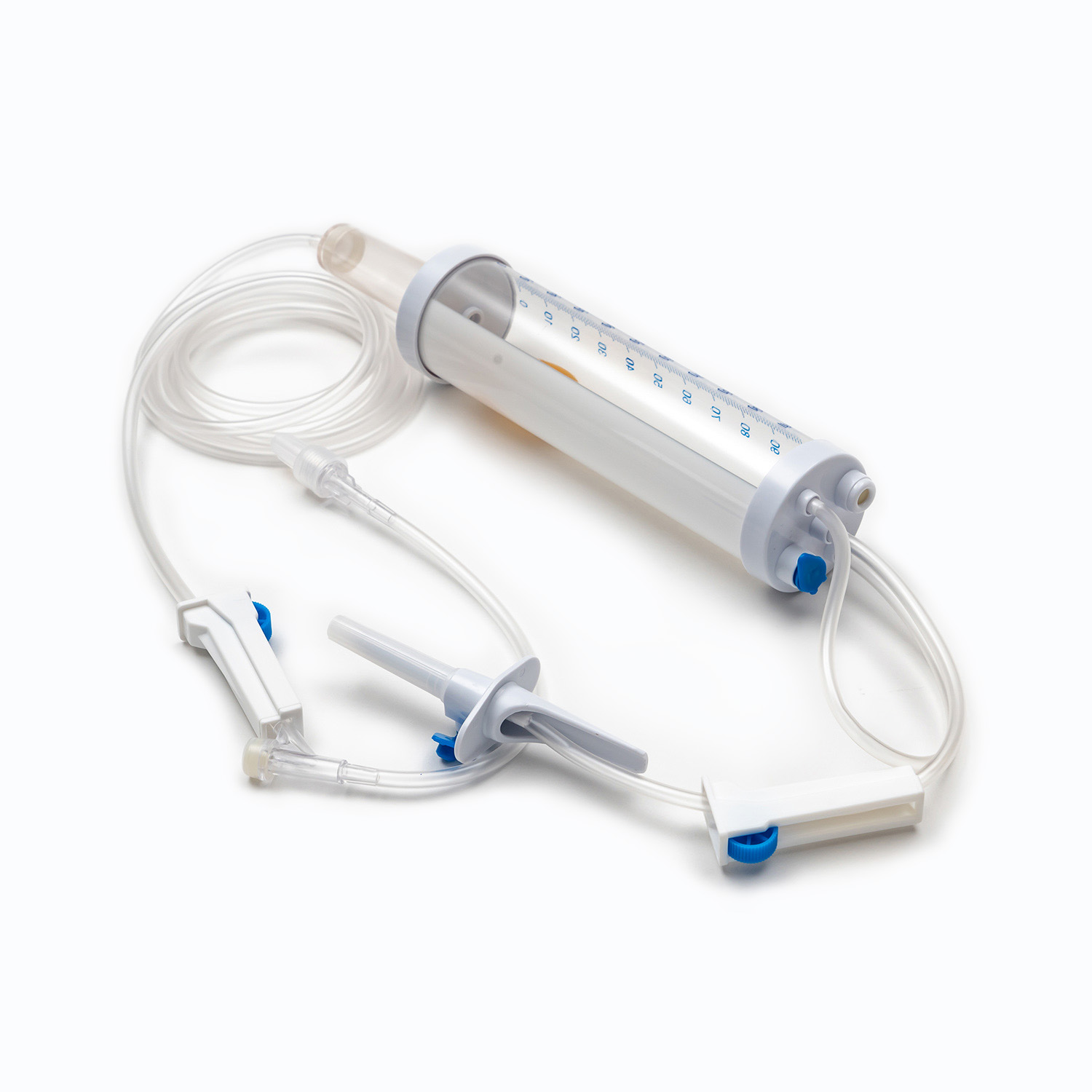
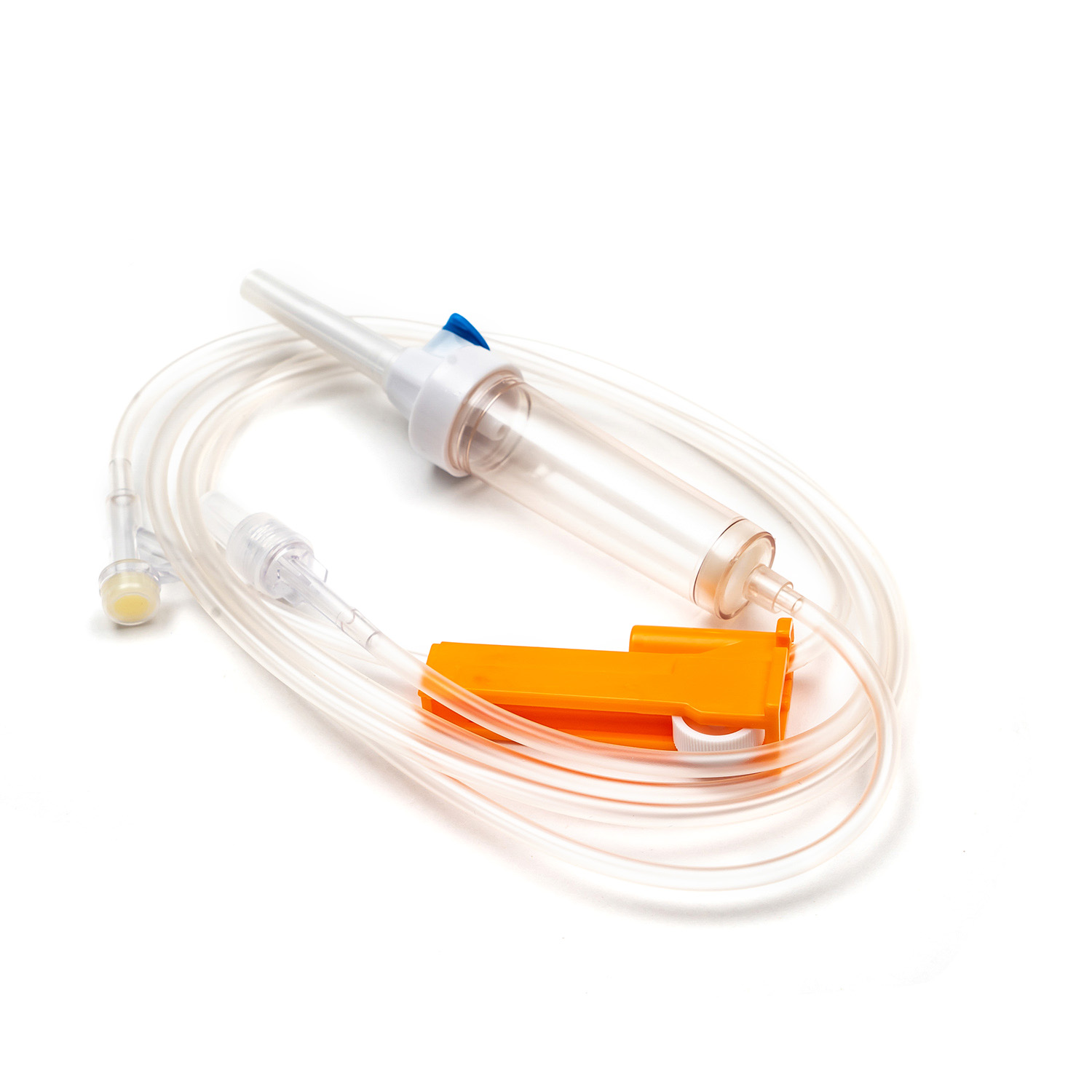
A standard clinical blood transfusion set is composed of multiple independent functional components, and each part undertakes a unique task in the transfusion process. The complete component configuration ensures the safety, stability and standardization of blood transfusion. The main components and their specific functions are listed in detail as follows:
- Blood bag puncture needle: It is made of medical stainless steel with a sharp and smooth needle body. Its function is to pierce the sealing interface of the sterile blood storage bag to form a closed delivery channel. The special needle body design can avoid chipping and prevent rubber debris from falling into the blood solution, ensuring the sterility and purity of the transfusion source.
- Ventilation device: Equipped with a sterile hydrophobic breathable membrane, it can balance the internal and external air pressure of the blood bag to ensure smooth outflow of blood products. At the same time, it can block external bacteria and dust, avoiding microbial contamination of blood caused by air circulation, and maintaining the closed sterile transfusion environment.
- Precision filter device: The core component of the blood transfusion set, with a multi-layer composite filter screen structure. It can effectively filter micro-aggregates, cell fragments, fibrin precipitates and other harmful impurities in blood products, which is the key structure to prevent transfusion-related adverse reactions. It is also the biggest difference between blood transfusion sets and ordinary infusion sets.
- Drip chamber: A transparent hollow cavity structure, which is convenient for medical staff to observe the blood dripping state in real time, judge the flow rate and check whether there is air blockage or pipeline blockage. It can also buffer the blood flow pressure and avoid the impact of instantaneous high-pressure blood flow on the patient's veins.
- Flow regulator: A roller-type adjustable control structure, which can freely adjust the blood transfusion speed according to the patient's age, physical condition, blood product type and clinical treatment requirements, realizing precise speed control.
- Infusion pipeline and venous needle: The pipeline is made of medical soft polymer materials, which is non-toxic, non-irritating and resistant to blood corrosion. The venous needle is used for puncturing the patient's superficial veins to complete the final delivery of blood products.
Common Classification and Clinical Application Scenarios of Blood Transfusion Sets
According to structural differences, functional characteristics and applicable blood product types, blood transfusion sets can be divided into multiple categories, which are applied to different clinical treatment scenarios. The correct selection of transfusion sets is the basis for standardized blood transfusion. The mainstream classification and application scope in clinical practice are sorted out in the table below:
| Transfusion Set Type | Core Features | Applicable Clinical Scenarios |
|---|---|---|
| Conventional Standard Transfusion Set | Ordinary precision filtration, basic flow regulation | Routine transfusion of whole blood and plasma for adult patients |
| Fine Filtration Transfusion Set | Higher filtration precision, intercept finer micro-particles | Transfusion of stored blood and concentrated blood components |
| Pediatric Special Transfusion Set | Low flow rate, small pipeline volume, precise speed control | Blood transfusion treatment for infants and young children |
| Rapid Transfusion Set | Large-caliber pipeline, fast flow delivery | Emergency rescue and massive blood loss transfusion |
In clinical practice, fine filtration blood transfusion sets are the most widely used type, accounting for more than 70% of clinical transfusion applications. This is because most stored blood products will produce a small amount of micro-aggregates after long-term refrigeration and storage, and fine filtration structures can maximize the removal of impurities and reduce the incidence of postoperative transfusion complications. Pediatric special transfusion sets strictly control the minimum transfusion volume and flow rate, which can effectively avoid heart and vein burden caused by excessive transfusion in children.
Standard Operating Procedures for Blood Transfusion Set Use
Standardized operation is the key to give full play to the functional advantages of the blood transfusion set and avoid transfusion risks. Non-standard operation such as incorrect assembly, air residue and improper flow regulation is one of the main causes of clinical transfusion adverse events. The standardized use process of blood transfusion sets is divided into four core steps:
- Pre-use inspection and preparation: Before assembly, check the packaging integrity, sterilization validity period and appearance of the blood transfusion set. It is forbidden to use products with damaged packaging, expired sterilization or deformed components. At the same time, check the clarity and integrity of blood products to ensure no deterioration or precipitation failure.
- Sterile assembly and exhaust: Complete the assembly of the transfusion set in a sterile operating environment, pierce the blood bag interface with a puncture needle, and invert the drip chamber to fill 1/3 to 1/2 of the chamber with blood. Squeeze the pipeline to completely exhaust the internal air to prevent air embolism caused by air entering the vein.
- Venous puncture and flow regulation: After completing patient vein puncture and successful needle placement, open the flow regulator, and adjust the initial transfusion speed to a low flow state. Observe the patient's physical signs for 3 to 5 minutes, and adjust to the standard speed after no adverse reactions such as chills and dyspnea occur.
- Whole-process monitoring and post-use disposal: Continuously monitor the patient's vital signs and transfusion status during the transfusion process. After the transfusion is completed, pull out the venous needle, and seal the vein regularly. The used blood transfusion set belongs to medical infectious waste and needs to be centrally sterilized and disposed of, and secondary use is strictly prohibited.
Key Safety Precautions for Blood Transfusion Set Application
Although the blood transfusion set is a mature medical device, improper use will still lead to various safety risks. Clinical statistical data shows that nearly 15% of mild transfusion adverse reactions are related to irregular use of transfusion sets. To ensure transfusion safety, the following key precautions must be strictly implemented in clinical operation:
- Strict one-time use principle: Blood transfusion sets are disposable sterile medical devices, and repeated use and cross-use among patients are strictly prohibited. Reuse will cause filter blockage, bacterial contamination and cross-infection of blood-borne diseases, bringing serious clinical risks.
- Prohibit mixed transfusion with ordinary infusion sets: Ordinary infusion sets do not have professional blood filtration function, and cannot intercept blood micro-aggregates. Using ordinary infusion sets for blood transfusion will greatly increase the risk of microvascular embolism and inflammatory reactions.
- Timely replace blocked transfusion sets: When transfusion resistance increases and the drip speed slows down significantly during use, it indicates that the filter screen is blocked by blood impurities. The transfusion set should be replaced in time instead of forced pressurized transfusion to avoid impurity leakage.
- Match transfusion speed with patient condition: For elderly patients, children, and patients with cardiac and renal insufficiency, the transfusion speed must be reduced. For emergency patients with massive blood loss, the speed can be appropriately increased under real-time monitoring to balance treatment efficiency and safety.
Development Trend of Modern Blood Transfusion Set Technology
With the continuous progress of clinical medical technology, blood transfusion sets are developing towards higher safety, intelligence and specialization. Traditional single-function transfusion sets can no longer fully meet the refined treatment needs of modern clinical medicine. At present, the industry's technological upgrading direction is mainly concentrated in three dimensions: intelligent monitoring, multi-functional integration and high-precision filtration.
Intelligent blood transfusion sets equipped with sensing components have begun to be applied in tertiary hospitals. This new type of transfusion set can real-time monitor transfusion speed, pipeline pressure and blood flow status, and automatically alarm and stop transfusion in case of pipeline blockage, air residue and abnormal flow rate, which greatly reduces the error rate of manual monitoring. In addition, the new composite filter material can intercept smaller harmful particles while ensuring smooth blood flow, further improving the safety factor of blood transfusion.
In terms of material technology, modern blood transfusion sets adopt new low-irritation and anti-adsorption polymer materials, which can reduce the adhesion of blood protein and cell components on the pipeline wall, avoid pipeline blockage, and reduce the probability of blood component deterioration during transfusion. In the future, specialized transfusion sets for specific blood components such as platelets and cryoprecipitate will be further popularized, realizing more precise and targeted clinical blood transfusion treatment.
Address
Dingtao District (Yantai) Industrial Park, Shandong Province, China


Products
Mobile Site
