


 English
 Français
 русский
 Español
How to use an insulin syringe correctly for accurate insulin dosage?
Jun 01,2026
An insulin syringe is a specialized medical device designed exclusively for measuring and administering subcutaneous insulin doses to manage blood glucose levels, primarily for people with diabetes. The single most critical fact about insulin syringes is that they are disposable, single-use tools; reusing them increases infection risks, damages needle tips, and compromises dosing accuracy. Proper selection, handling, and disposal of insulin syringes directly impact treatment safety, blood glucose control, and long-term diabetes management outcomes.
Unlike standard syringes, insulin syringes feature ultra-fine, short needles and unit-specific volume markings calibrated for insulin, eliminating measurement errors and reducing injection discomfort. Mastering the correct use of insulin syringes is not only a basic skill for diabetic care but also a necessary measure to avoid acute complications such as hypoglycemia and infection.
Basic Structure and Key Features of Insulin Syringes
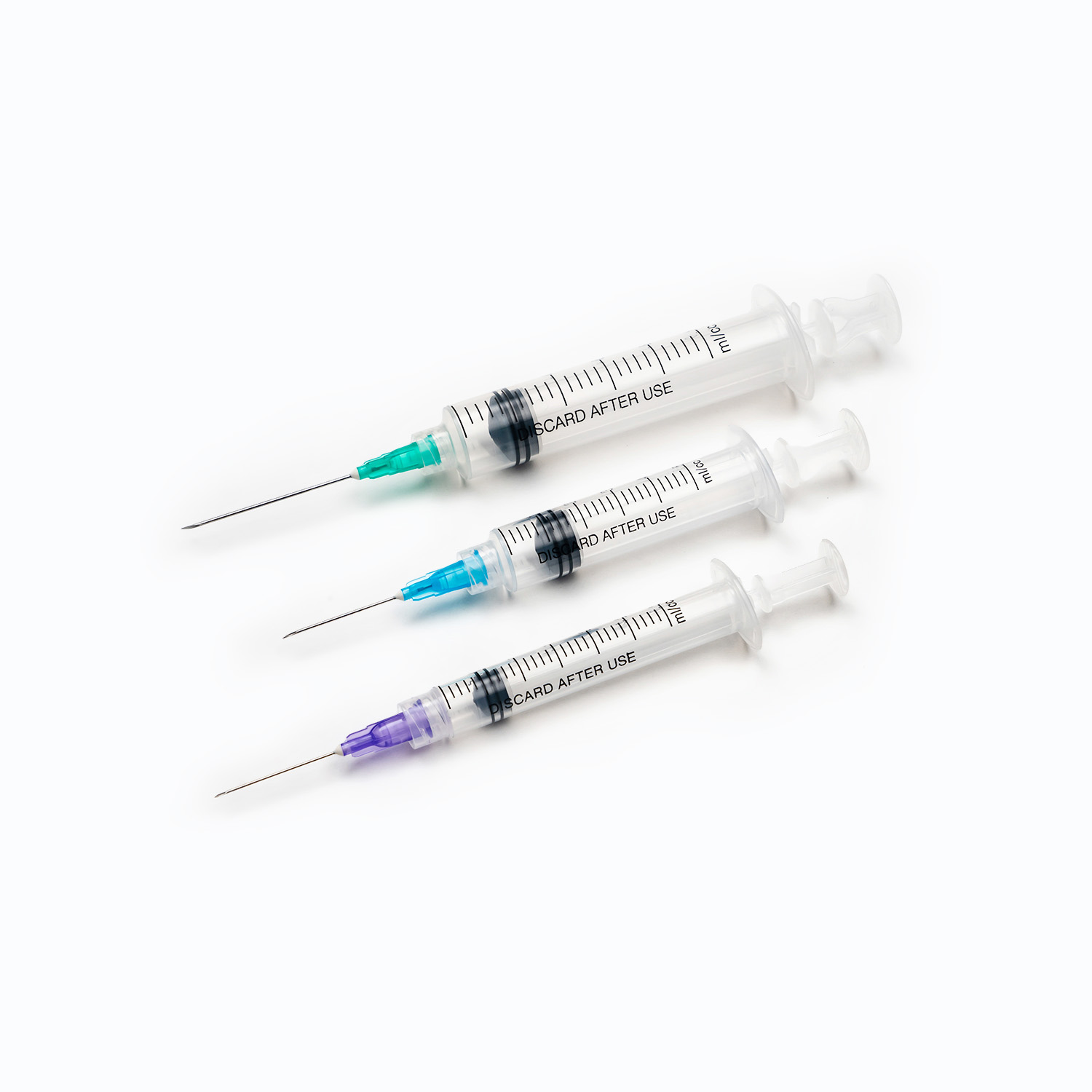
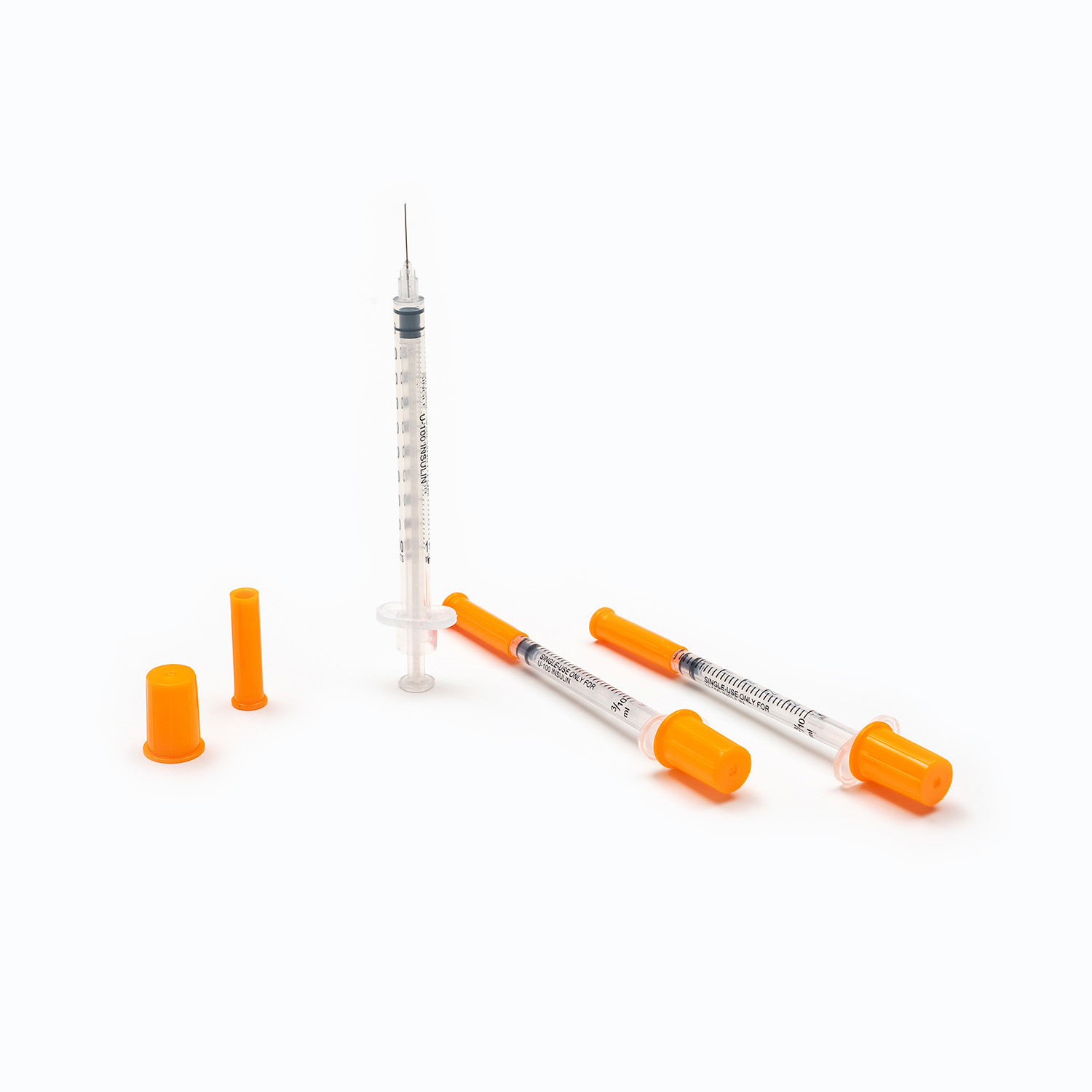
Insulin syringes are precision-engineered with four core components, each optimized for safe and effective insulin delivery. Every part is designed to address the unique needs of subcutaneous insulin injection, making the device distinct from general-purpose syringes.
Barrel
The barrel is the transparent cylindrical tube that holds insulin, printed with clear unit markings instead of milliliter measurements. Standard insulin concentration is 100 units per milliliter (U-100), the most widely used globally, and the barrel markings are fully matched to this concentration to ensure users can read and extract doses accurately. The transparent material allows for clear visualization of insulin and air bubbles, which is essential for precise dosing.
Plunger
The plunger fits inside the barrel and is used to draw insulin into the syringe and push it out during injection. It has a smooth, rubberized tip that creates an airtight seal, preventing insulin leakage and ensuring consistent pressure during administration. The end of the plunger is designed for easy grip, even for users with limited dexterity, supporting steady and controlled movement.
Needle
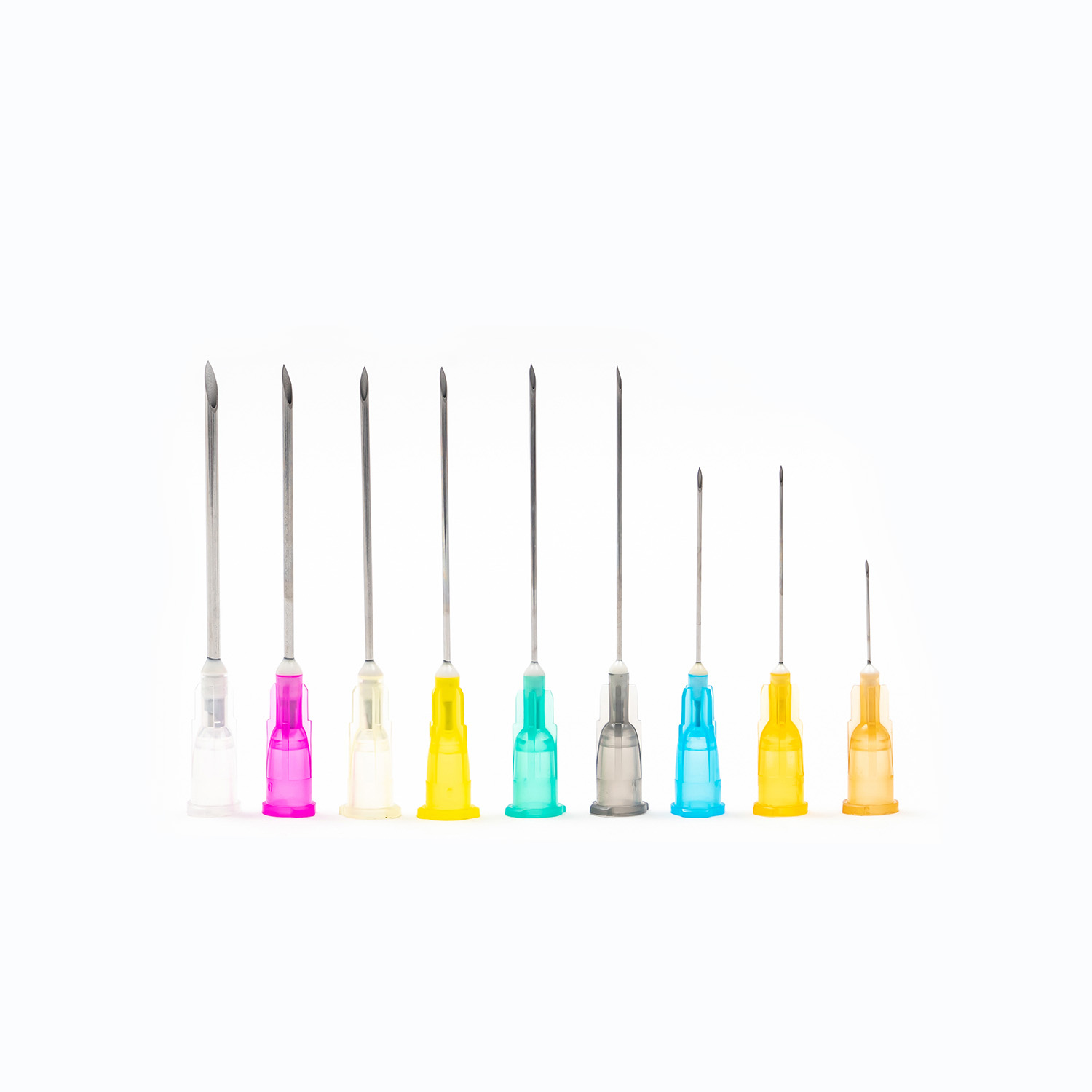
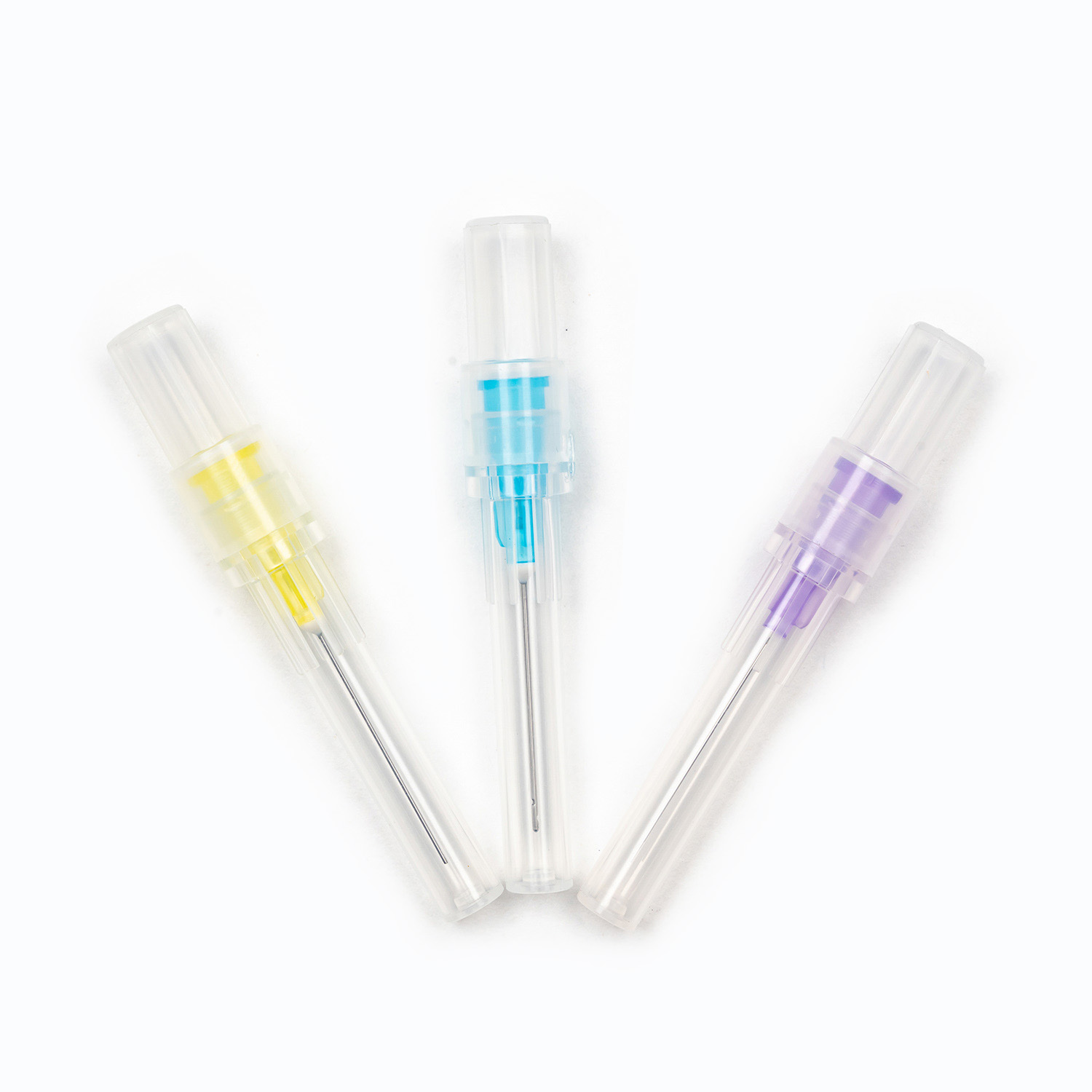
The needle is the most specialized component: ultra-fine, short, and lubricated to minimize pain and tissue damage. Needle lengths for insulin syringes typically range from 4mm to 12mm, with shorter lengths recommended for most adults and children to ensure subcutaneous delivery without reaching muscle tissue. The ultra-thin gauge reduces skin trauma and bleeding, making regular injections more tolerable.
Flange
Located at the base of the barrel, the flange provides a stable grip for fingers during injection. It prevents the syringe from slipping and allows users to maintain control while inserting the needle and delivering insulin, supporting consistent and safe injection technique for all users, including elderly individuals and those with motor skill challenges.
Classification of Insulin Syringes by Volume and Needle Specifications
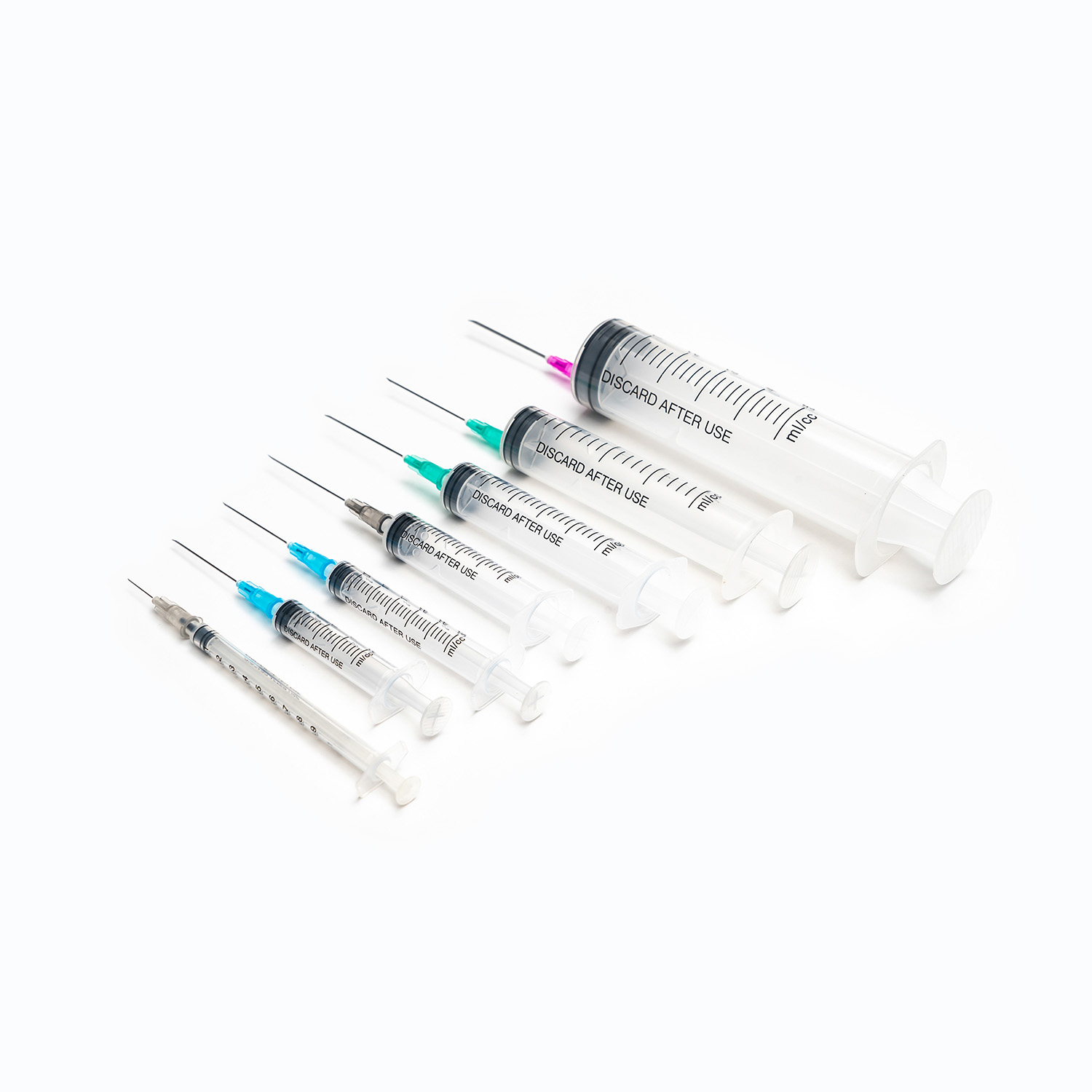
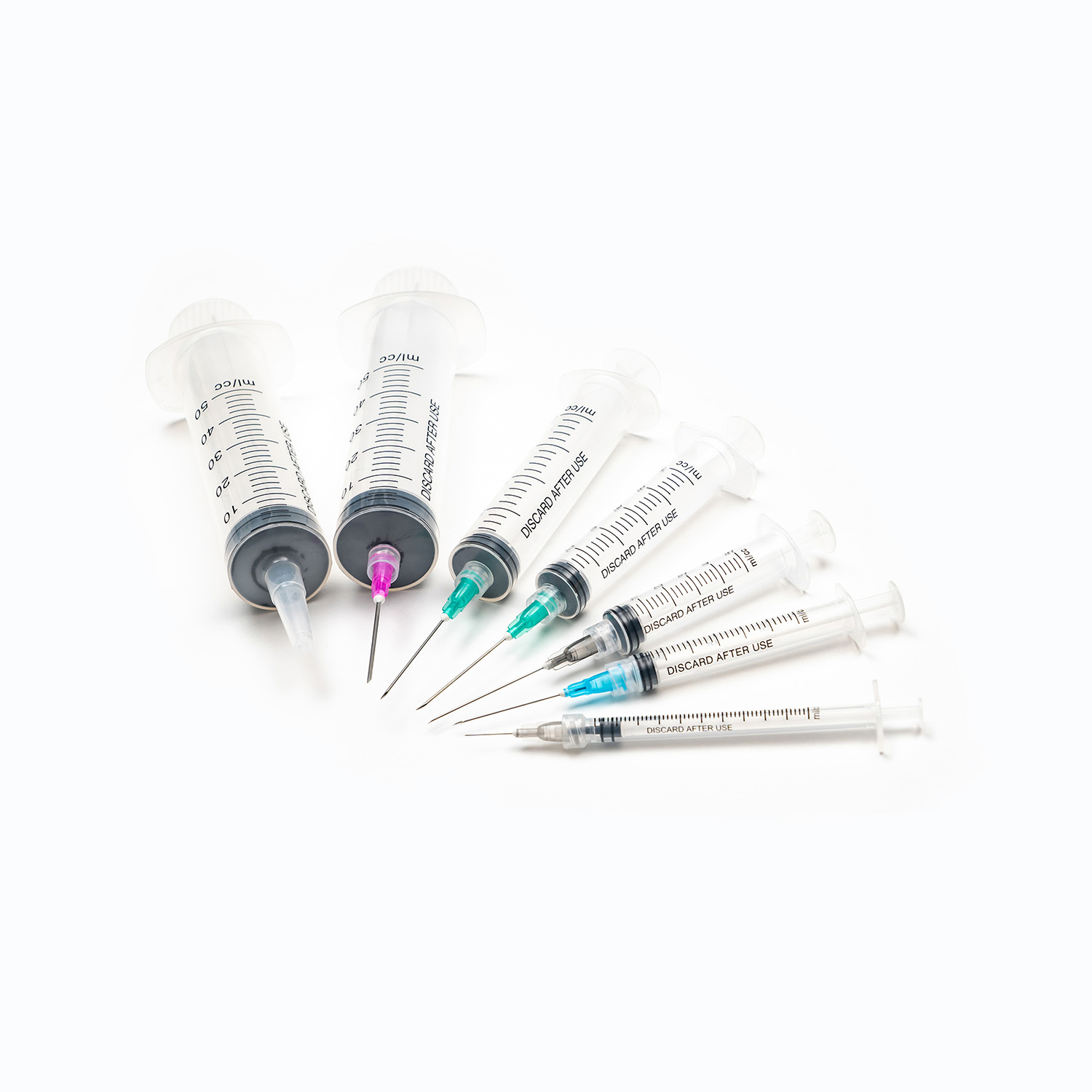
Insulin syringes are categorized by dose volume and needle specifications to suit different user groups, insulin doses, and body types. Choosing the right syringe type is vital to avoid dosing errors and ensure injection comfort and safety.
Volume-Based Classification
Volume is determined by the maximum insulin dose the syringe can hold, directly matching the daily dosage needs of users. Small-volume syringes offer higher precision for low doses, while larger volumes accommodate higher therapeutic doses.
- Low-dose syringe (30 units): Designed for small insulin doses, ideal for children, adolescents, and adults with mild diabetes requiring minimal daily insulin.
- Standard-dose syringe (50 units): The most commonly used type, suitable for the majority of adult diabetic patients with moderate insulin requirements.
- High-dose syringe (100 units): For patients with severe insulin resistance or high daily insulin dosage needs, providing sufficient volume for large single doses.
Needle Specification Classification
Needle length and gauge are tailored to user body composition and injection site preferences, ensuring insulin is delivered to the correct subcutaneous tissue layer.
| Needle Length | Suitable User Group | Core Advantage |
|---|---|---|
| 4mm-6mm | Children, slim adults, elderly | No skin pinching needed, minimal pain |
| 8mm-12mm | Adults with higher body fat | Reaches subcutaneous layer reliably |
Using a mismatched needle length can lead to injection into muscle tissue, causing rapid insulin absorption, sudden hypoglycemia, and increased injection pain. This makes proper needle selection a non-negotiable part of safe insulin therapy.
Step-by-Step Correct Usage of Insulin Syringes
Standardized usage steps are essential to ensure accurate insulin dosing, prevent infections, and maximize treatment effectiveness. Each step plays a key role in avoiding common errors that can disrupt blood glucose control.
Pre-Injection Preparation
Start by washing hands thoroughly with soap and water to eliminate bacteria, then prepare the insulin vial, new insulin syringe, and alcohol swabs. Check the insulin expiration date and appearance: cloudy insulin must be gently rolled (not shaken) to mix evenly, while clear insulin requires no mixing. Wipe the rubber stopper of the insulin vial with an alcohol swab to maintain sterility.
Drawing Insulin Correctly
Pull the plunger to draw air equal to the prescribed insulin dose, then insert the needle into the vial and push the air in. Keep the needle inside the vial, turn the vial upside down, and slowly pull the plunger to extract the correct insulin dose. Check for air bubbles in the barrel: tap the barrel gently to make bubbles rise, then push the plunger slightly to expel them, ensuring only insulin remains in the syringe.
Selecting and Preparing the Injection Site
Recommended injection sites include the abdomen (upper and outer quadrants, avoiding the navel), outer thighs, and upper arms. The abdomen is preferred for fastest and most consistent absorption. Clean the site with an alcohol swab and let it air dry completely—do not blow or wipe the area dry, as this can reintroduce contaminants.
Administering the Injection
Hold the syringe like a pencil for stability. For needles 8mm or longer, gently pinch a fold of skin; for short needles (4mm-6mm), no pinching is needed. Insert the needle quickly and smoothly at a 90-degree angle, then push the plunger slowly and steadily to deliver all insulin. Wait 5 to 10 seconds after injection before removing the needle to prevent insulin leakage from the injection site.
Post-Injection Handling
Pull the needle straight out and do not rub the injection site—gentle patting is acceptable if needed. Immediately place the used syringe into a rigid, puncture-resistant sharps container for safe disposal. Do not recap the needle to avoid accidental needlestick injuries.
Safe Storage and Usage Precautions for Insulin Syringes
Proper storage and strict precautions preserve the functionality of insulin syringes, prevent contamination, and reduce health risks for users. These practices are equally important as correct injection technique for long-term diabetes care.
Storage Requirements
Unused insulin syringes should be stored in a cool, dry environment at room temperature, away from direct sunlight, heat sources, and moisture. Do not refrigerate unused syringes—extreme cold can damage the needle lubricant and plastic components, making injections painful and less effective. Keep syringes in their original sealed packaging to maintain sterility until use.
Non-Negotiable Usage Rules
- Single-use only: Never reuse insulin syringes, as reused needles become dull, cause tissue damage, and carry bacterial contamination risks.
- Individual use only: Do not share syringes with others, even family members, to eliminate the risk of transmitting bloodborne diseases.
- Discard damaged syringes: Do not use syringes with cracked barrels, bent needles, or faded markings, as they compromise dosing accuracy and safety.
- Rotate injection sites: Avoid repeated injections in the same spot to prevent lipodystrophy (lumps or dents under the skin), which impairs insulin absorption.
Handling Common Abnormalities
If you experience persistent pain, redness, swelling, or itching at the injection site, suspend use of the current syringe type and consult a healthcare provider. If insulin leaks during injection, it is often caused by removing the needle too early or a damaged syringe—adjust your technique or replace the syringe immediately. Over 70% of injection-related issues can be resolved by following standard precautions, making adherence to these rules critical for uninterrupted treatment.
Safe Disposal of Used Insulin Syringes
Improper disposal of used insulin syringes poses severe risks of needlestick injuries, bacterial infections, and environmental contamination. Safe disposal is a social responsibility and a key part of home diabetic care.
Approved Disposal Containers
Used syringes must be placed immediately into a puncture-resistant, leak-proof sharps container designed for medical waste. These containers prevent needles from piercing through and injuring users or waste handlers. If a commercial sharps container is unavailable, a rigid plastic bottle with a tight screw cap can be used as a temporary alternative.
Disposal Steps and Prohibited Behaviors
- Place the used syringe directly into the sharps container immediately after injection, without recapping the needle.
- Fill the container only to the marked fill line—do not overfill, as this increases injury risk during handling.
- Seal the container tightly when full and deliver it to designated medical waste collection points, community clinics, or approved disposal facilities.
Prohibited actions include throwing used syringes into household trash, flushing them down toilets, or placing them in recycling bins. These actions endanger sanitation workers, children, and pets, and violate medical waste disposal regulations in most regions.
Differences Between Insulin Syringes and Other Injection Devices
Insulin syringes are often compared to insulin pens and insulin pumps, but each device has unique design features and application scenarios. Understanding these differences helps users select the most suitable tool for their lifestyle and treatment needs.
Core Differences in Design and Usage
Insulin syringes are standalone, low-cost devices requiring separate insulin vials, with manual dose measurement and injection. Insulin pens are pre-filled or reusable, with built-in dose dials for faster, more convenient dosing and finer adjustment capabilities. Insulin pumps are wearable electronic devices that deliver continuous insulin infusions, eliminating repeated injections but requiring regular maintenance and programming.
Advantages of Insulin Syringes
Insulin syringes remain the most cost-effective insulin delivery option, making them accessible to all user groups. They are lightweight, portable, and require no batteries or electronic components, ensuring reliability in any environment. Their simple design makes them easy to master for users of all ages, including the elderly and those with limited technical literacy. Additionally, syringes are compatible with all types of insulin vials, offering maximum flexibility for customized treatment plans.
While newer injection devices offer enhanced convenience, insulin syringes remain an essential, widely used tool in diabetes management due to their affordability, simplicity, and universal compatibility. For many users, especially in resource-limited settings, they are the primary and most practical choice for daily insulin administration.
Summary of Key Takeaways for Insulin Syringe Use
Insulin syringes are indispensable, precision medical devices for diabetes management, with every design element and usage step focused on safety, accuracy, and user comfort. Single-use, proper selection, correct technique, and safe disposal are the four core pillars of effective insulin syringe use.
By understanding the structure, types, correct usage, storage, and disposal of insulin syringes, users can minimize risks, avoid dosing errors, and maintain stable blood glucose control. Whether used as a primary delivery method or a backup option, mastering insulin syringe skills is a foundational part of successful long-term diabetes self-management. Consistent adherence to best practices ensures that insulin therapy is both effective and safe, supporting overall health and quality of life for people with diabetes.
Address
Dingtao District (Yantai) Industrial Park, Shandong Province, China


Products
Mobile Site
