


 English
 Français
 русский
 Español
How Do You Use a Blood Transfusion Set Safely Step by Step?
Apr 01,2026
Direct Answer: What Is a Blood Transfusion Set?
A Blood Transfusion Set is a specialized medical device designed to safely deliver blood or blood products into a patient’s bloodstream, featuring an integrated filter to remove clots and debris while ensuring controlled flow.
Unlike standard IV infusion sets, transfusion sets include a built-in filter (typically 170–260 microns) to prevent microaggregates from entering circulation, which significantly reduces the risk of transfusion-related complications.
Key Components of a Blood Transfusion Set
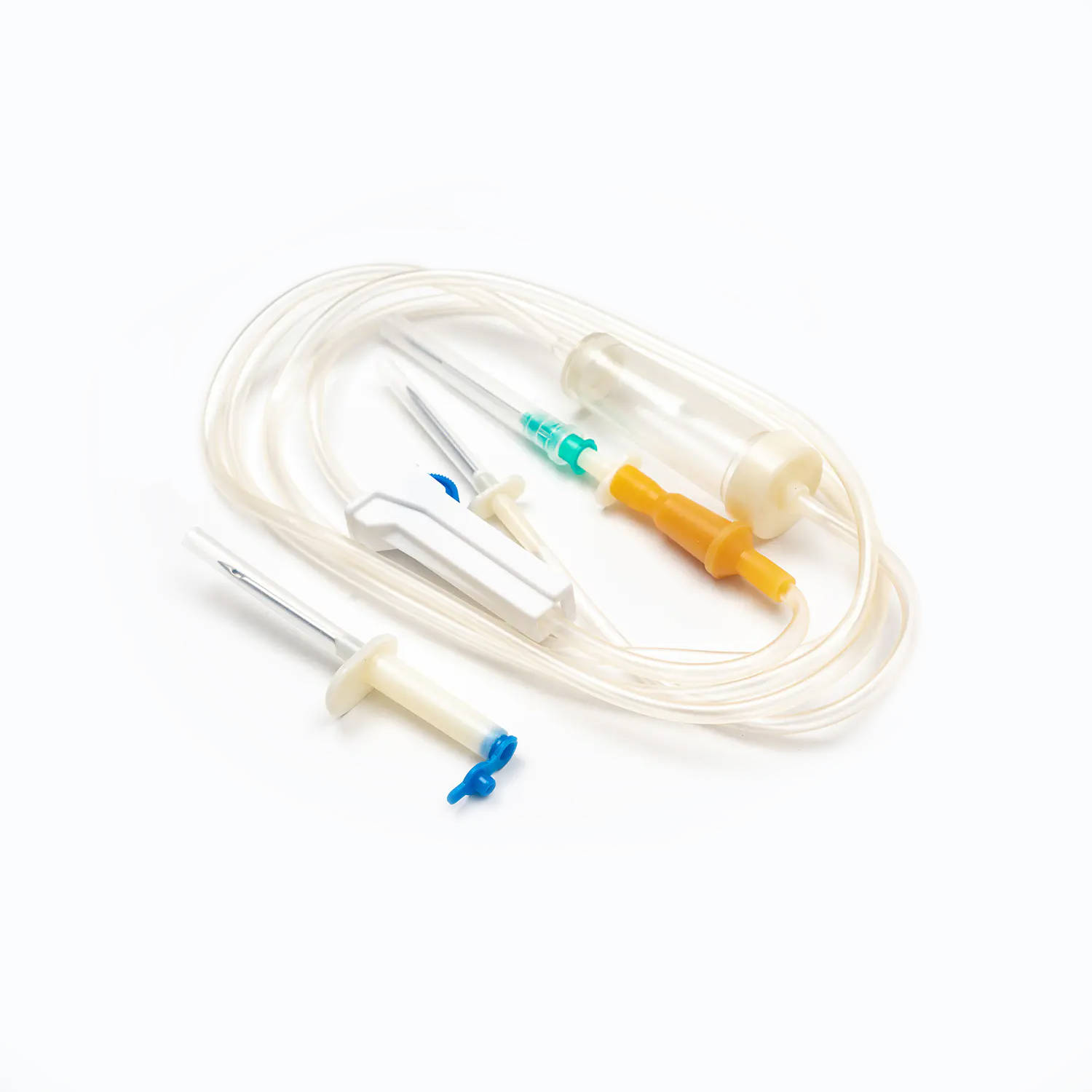
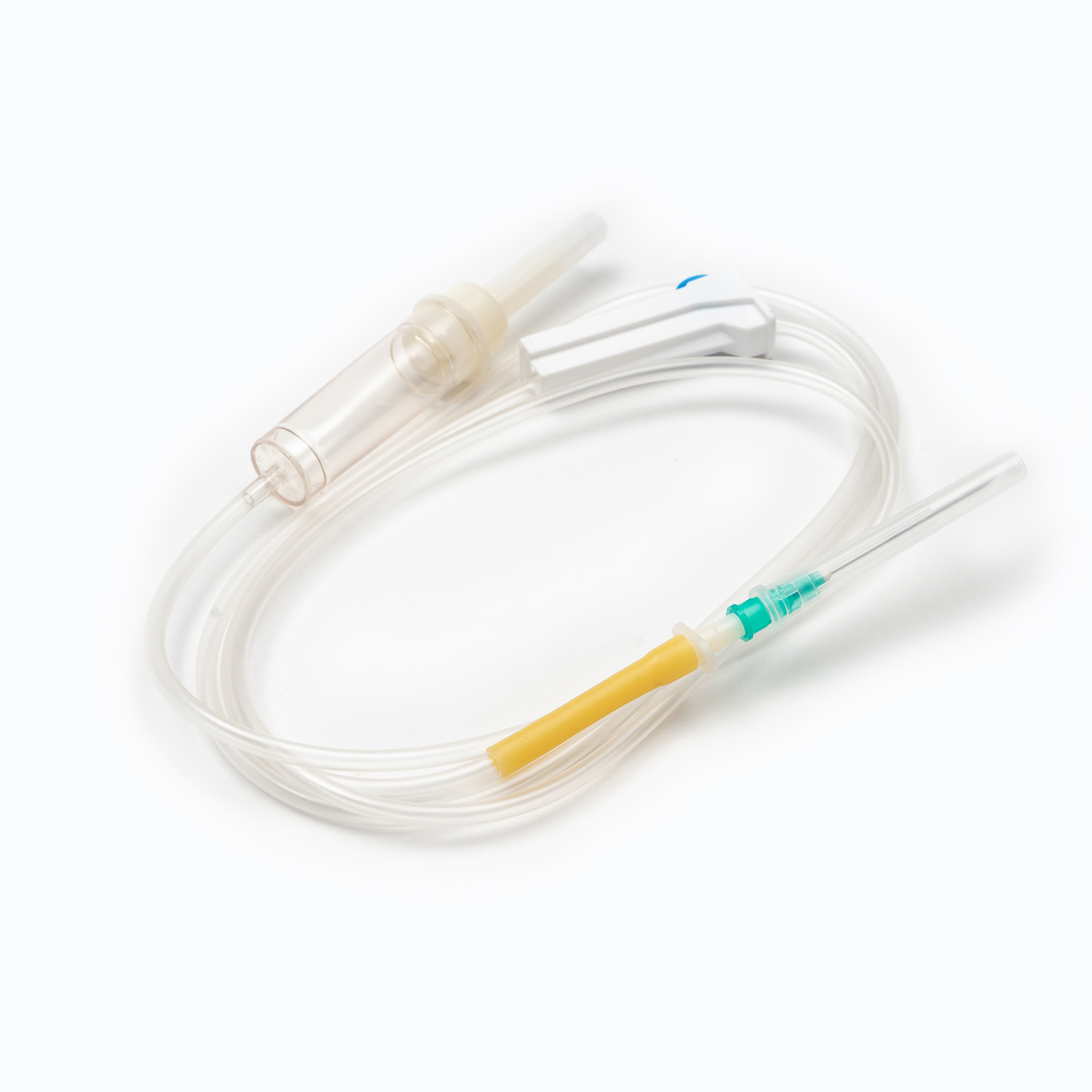
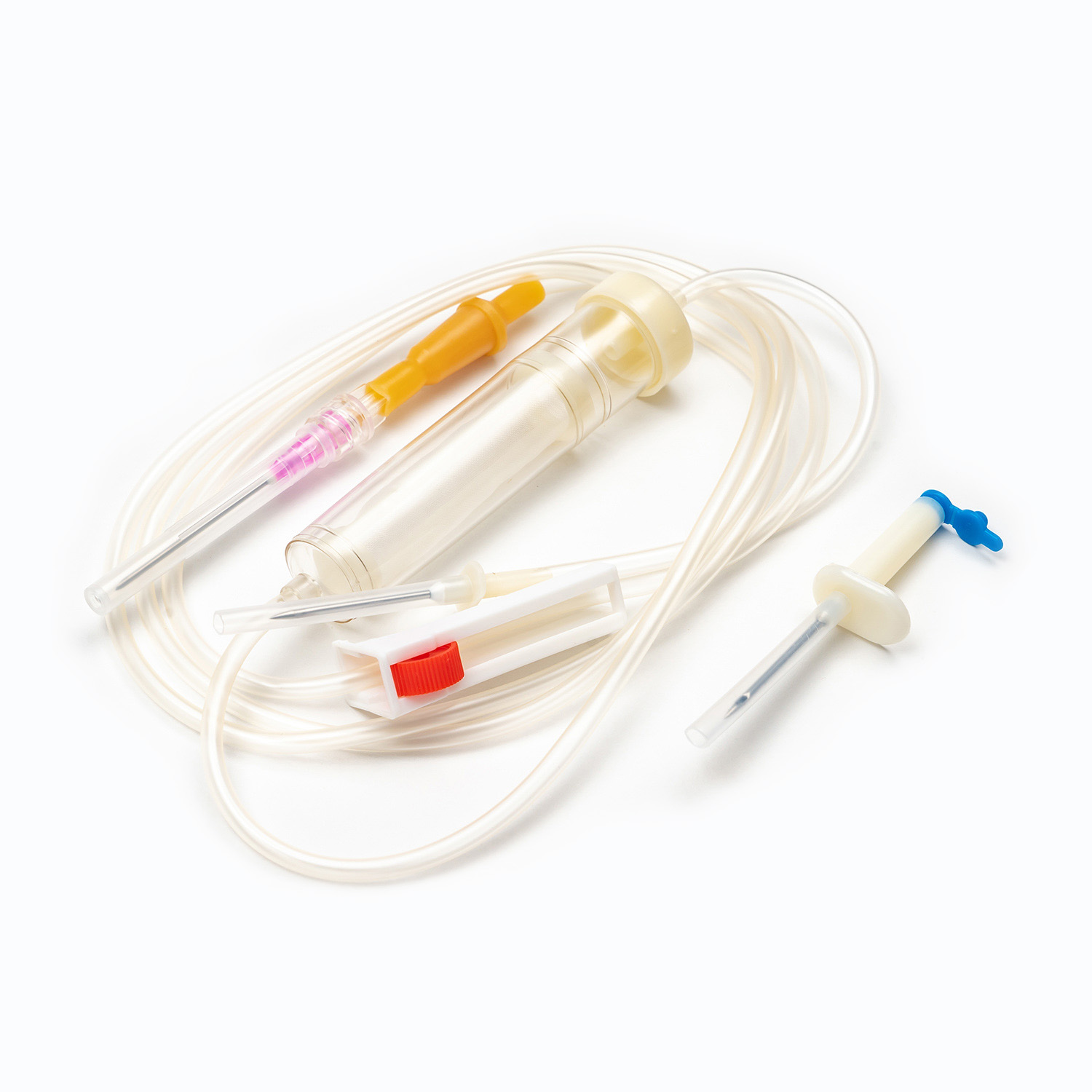
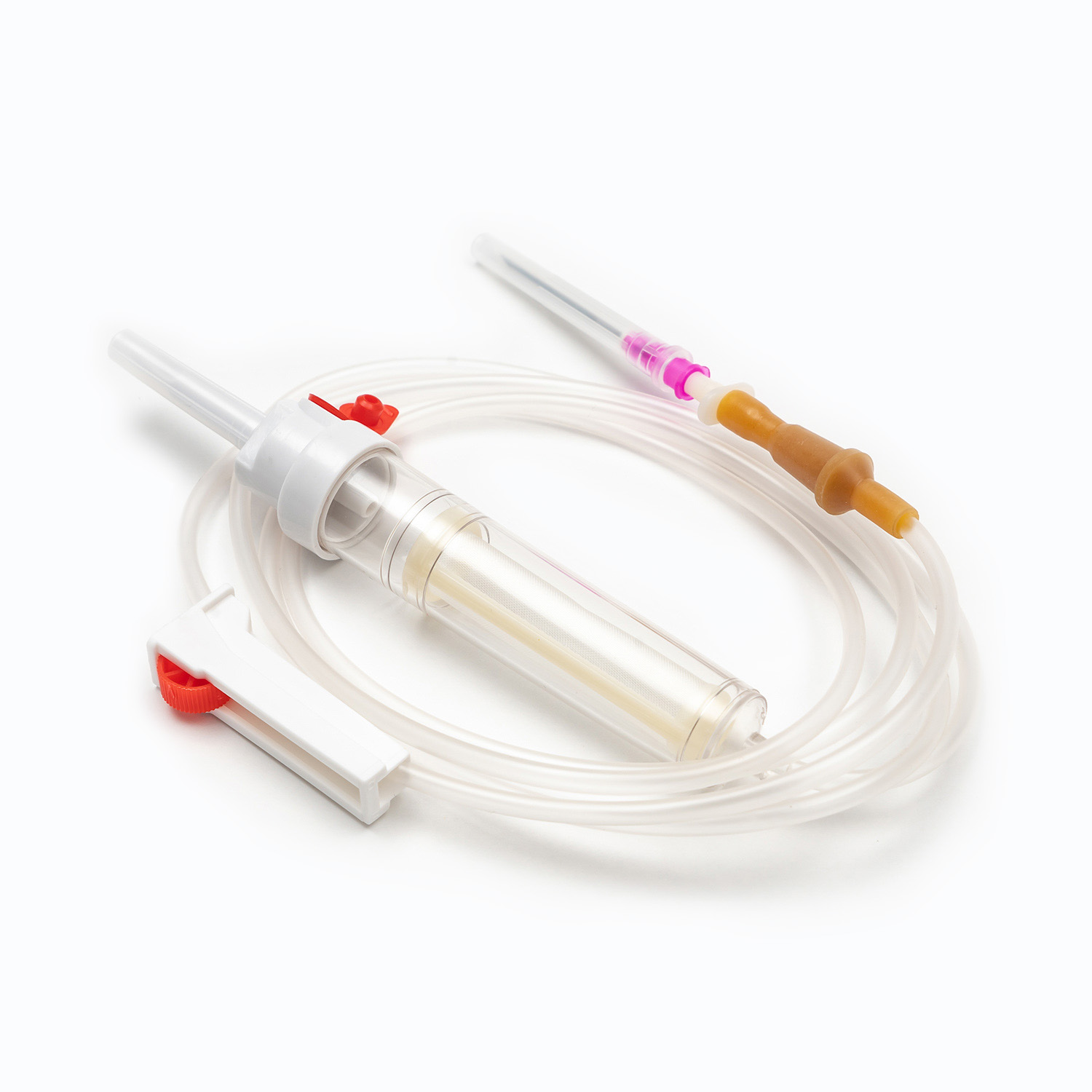
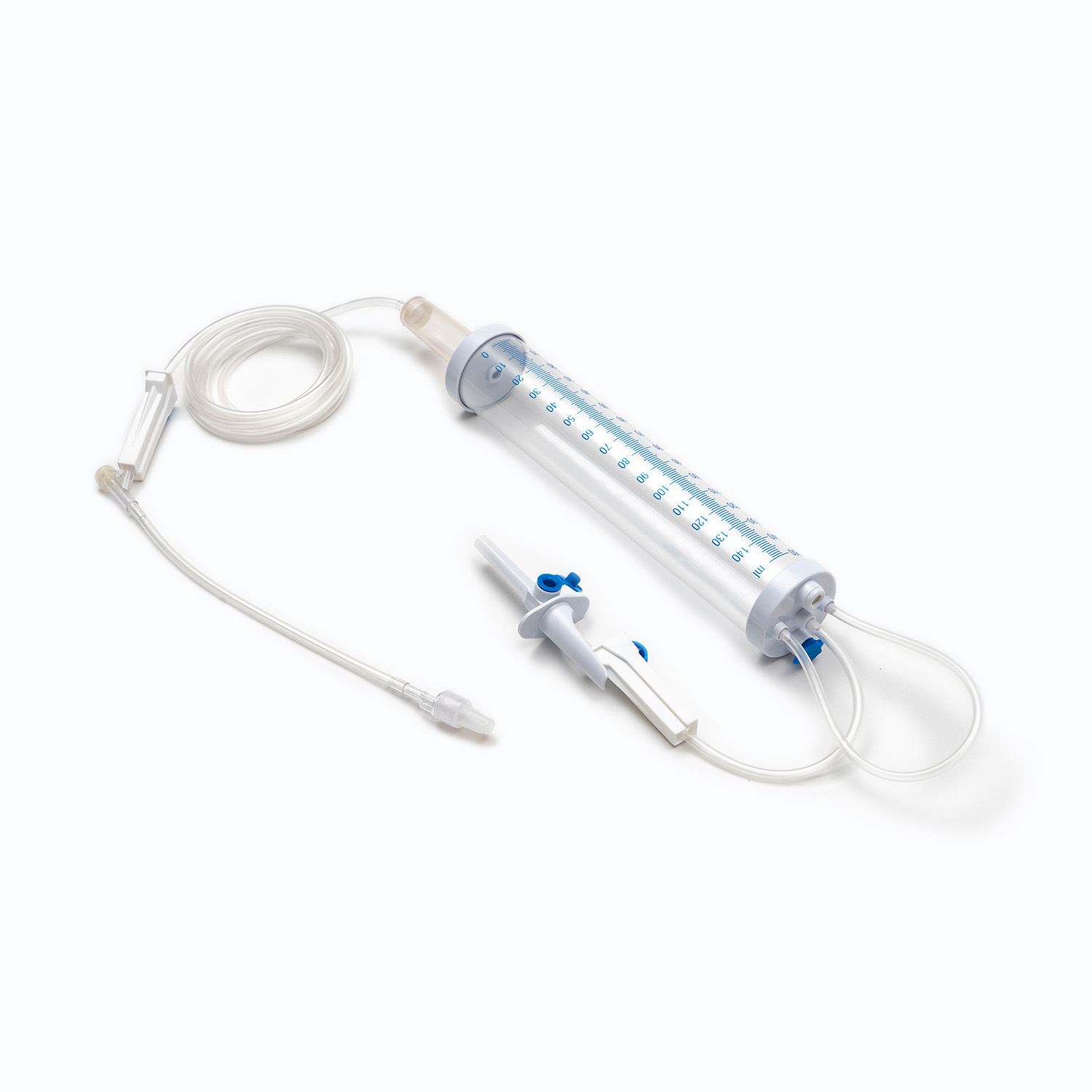
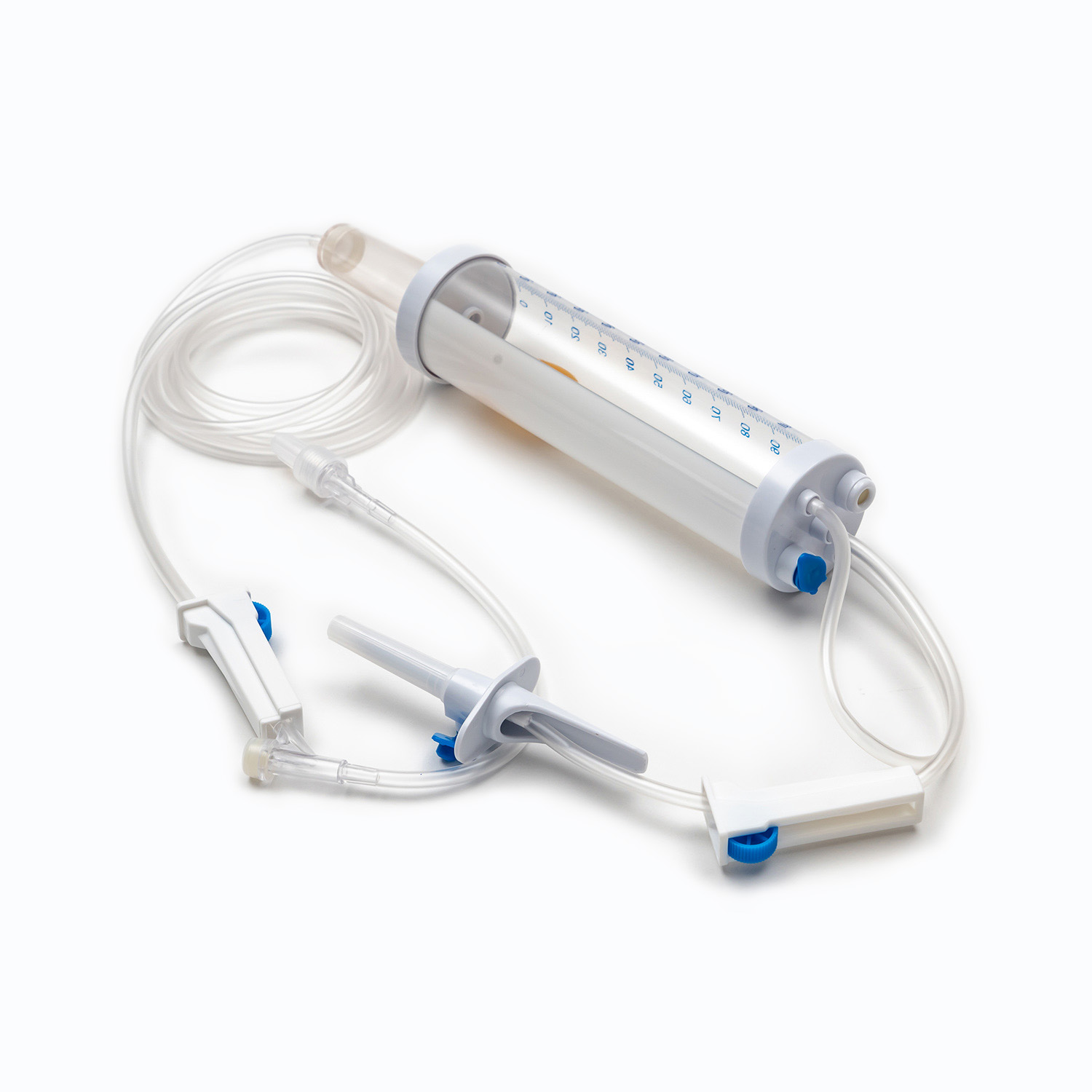
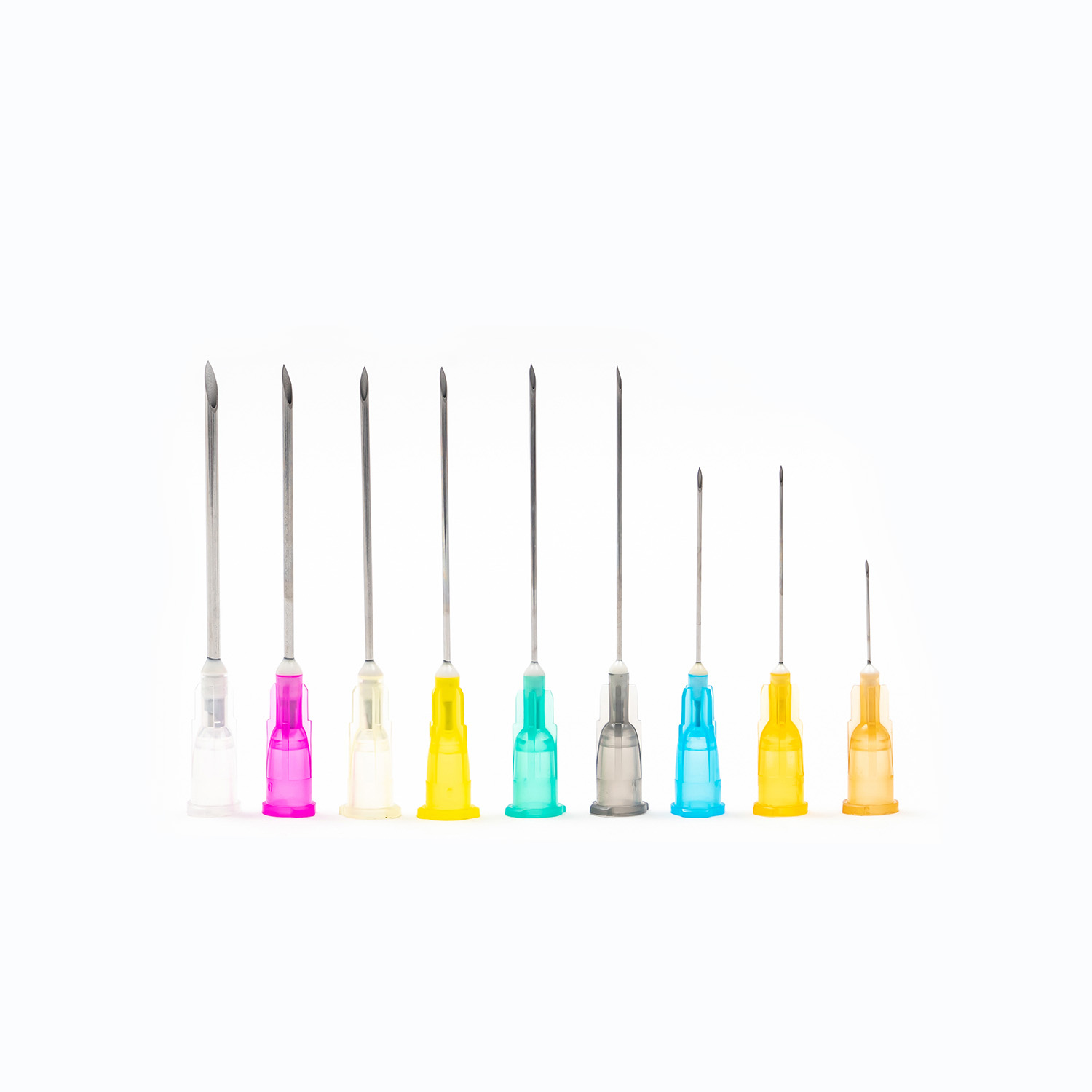
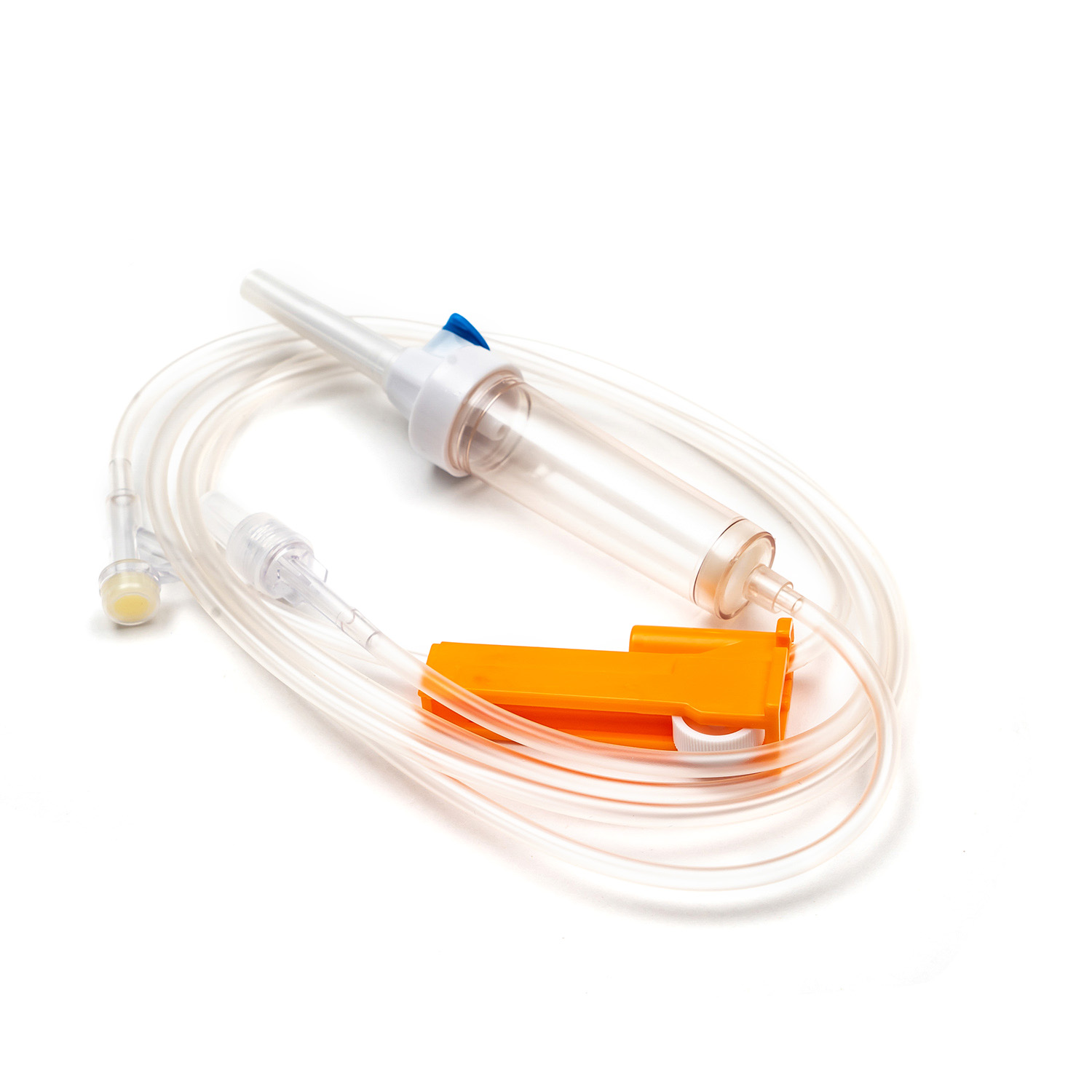
A standard blood transfusion set consists of several essential components, each contributing to safety and performance:
- Spike: Pierces the blood bag for secure access
- Drip Chamber: Allows visual monitoring of flow rate
- Filter (170–260 μm): Removes clots and aggregates
- Roller Clamp: Regulates infusion speed
- Tubing: Medical-grade PVC for fluid transport
- Injection Port (optional): For medication administration
How to Use a Blood Transfusion Set Safely
Proper usage is critical to avoid complications such as hemolysis, contamination, or transfusion reactions. Follow these essential steps:
- Verify patient identity and blood compatibility
- Close the roller clamp before inserting the spike
- Insert the spike into the blood bag using aseptic technique
- Prime the tubing to remove air
- Connect to the patient’s IV access
- Adjust flow rate as prescribed (e.g., 2–5 mL/min initially)
- Monitor for adverse reactions continuously
Performance Standards and Specifications
Blood transfusion sets must meet strict clinical and regulatory standards to ensure patient safety:
| Parameter | Typical Value |
|---|---|
| Filter Size | 170–260 μm |
| Sterility | Sterile, single-use |
| Material | Medical-grade PVC |
| Flow Control | Manual roller clamp |
Common Risks and How to Minimize Them
Although transfusion sets are designed for safety, improper handling can still lead to complications:
- Clot contamination: Always use a proper filter and avoid reusing sets
- Air embolism: Ensure complete priming before connection
- Hemolysis: Avoid excessive pressure or rapid infusion
- Infection risk: Maintain strict aseptic technique
Clinical guidelines recommend replacing the transfusion set after 4 hours of continuous use or after each unit of blood to minimize bacterial growth risk.
When to Use a Blood Transfusion Set vs. a Standard IV Set
Choosing the correct set is essential for patient safety and treatment effectiveness:
| Criteria | Transfusion Set | Standard IV Set |
|---|---|---|
| Use Case | Blood & blood products | Fluids & medications |
| Filter | Yes (170–260 μm) | Usually none |
| Safety Level | High for transfusion | Not suitable for blood |
Address
Dingtao District (Yantai) Industrial Park, Shandong Province, China


Products
Mobile Site
