


 English
 Français
 русский
 Español

PRODUCT CATEGORY:
 |
Urine Bag
Disposable Urine Collection Bag for Clinical and Home Care
Reliable and practical urine collection bags for convenient and hygienic urinary drainage.
 2000 mL Capacity Clear Graduations Valve Options
We offer reliable urine collection bags designed for urinary drainage and collection. The clear bag and easy-to-read graduations support convenient volume monitoring, while flexible tubing and secure drainage components help provide practical use in clinical and home-care settings.
- Clear Collection Bag
Transparent bag with clear graduations for easy volume monitoring. - Secure Connection
Secure tubing connection designed for stable and convenient drainage. - Convenient Drainage
Drainage valve supports convenient emptying and routine handling. - 2000 mL Capacity
Standard 2000 mL capacity for routine urine collection and monitoring. - Single-Use
Disposable design helps simplify handling and routine clinical use. - OEM Support
Custom configurations, packaging and private-label service available.
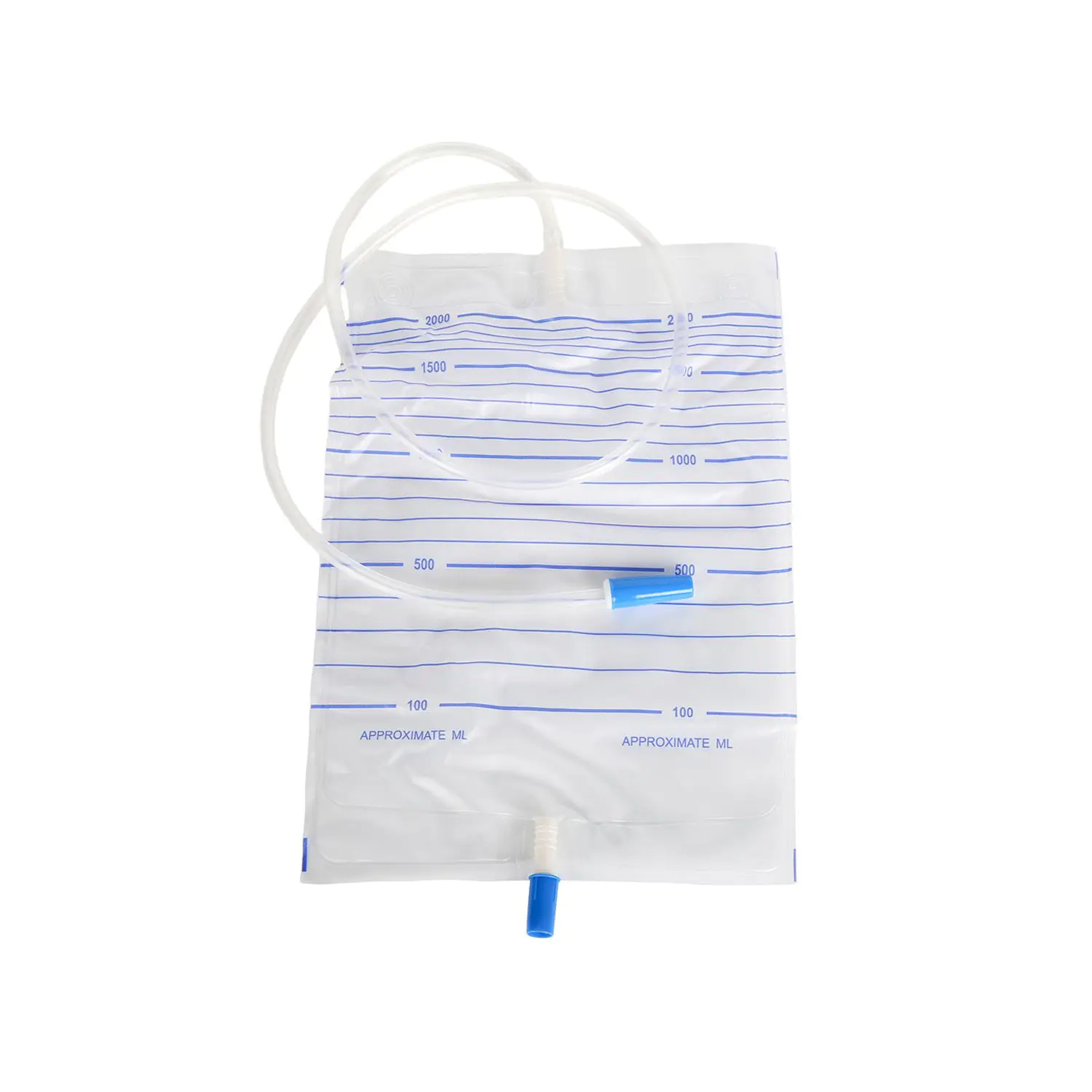
| Product Name | Urine Bag |
| Type | Urine Collection Bag |
| Capacity | 2000 mL |
| Push-Pull | Valve / Cross Valve |
| Sterilization | EO sterilization |
| Packaging | Individual sterile packaging |
-
What capacity is available?
The urine bag is available in a 2000 mL capacity for routine urine collection. -
What drainage valve options are available?
Both push-pull valve and cross valve configurations are available. -
Are sterile and non-sterile versions available?
Sterile versions can be supplied with individual packaging; configuration is available on request. -
Do you support customized configurations?
Yes. OEM/private-label support is available for selected specifications and packaging.


-

Floor Area
0m² -

Patent Certificate
0 -

Employees
0+
-
Jul 22,2026 - Posted Admin
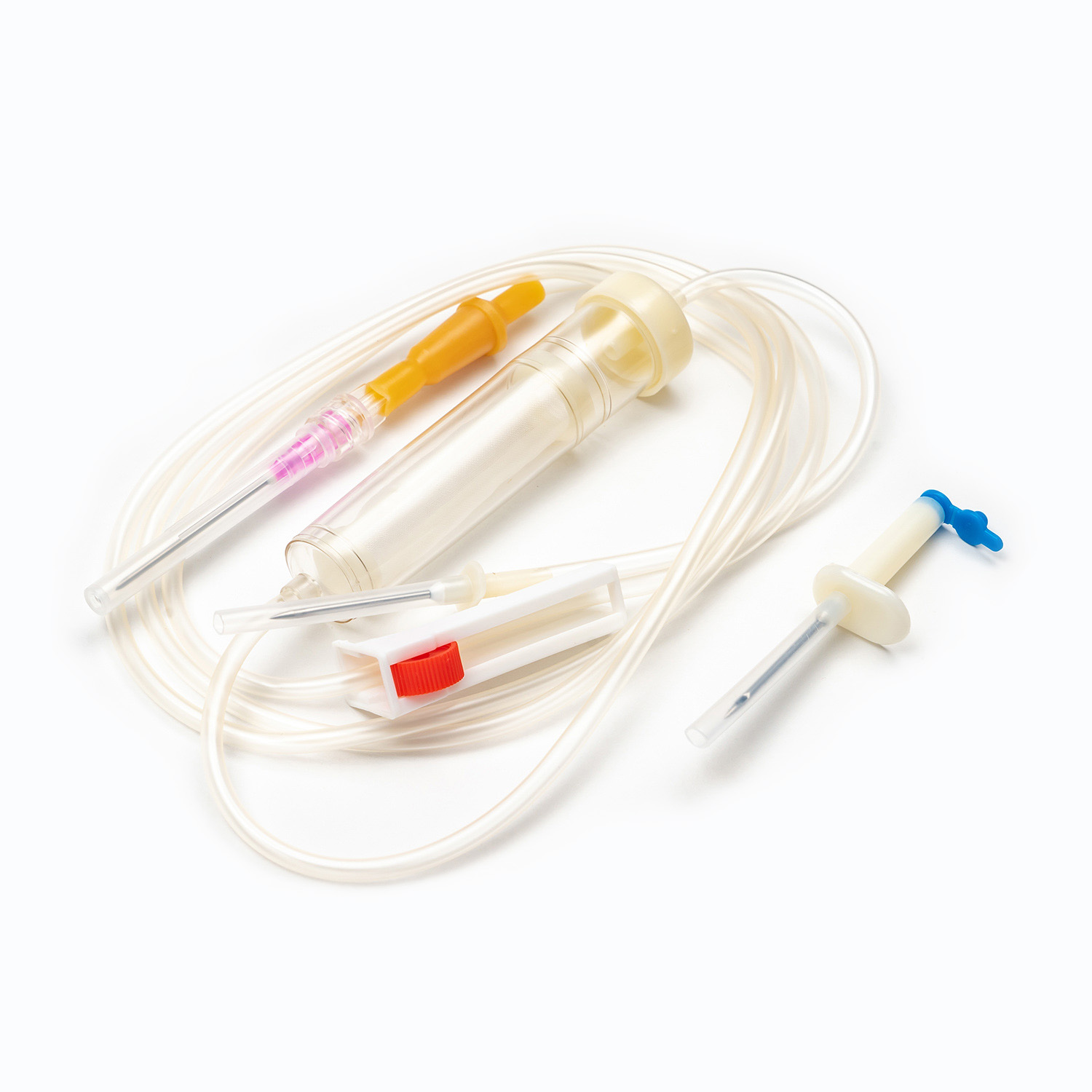
A blood transfusion set is a sterile, single-use medical device specifically engineered to safely administer ...READ MORE + -
Jul 15,2026 - Posted Admin
A urinary catheter is a crucial medical device used to drain urine from the bladder when a patient cannot do ...READ MORE + -
Jul 08,2026 - Posted Admin
The Fundamental Role of Blood Lancet Needles in Diagnostic Accuracy The blood lancet needle serves as the cri...READ MORE + -
Jul 01,2026 - Posted Admin
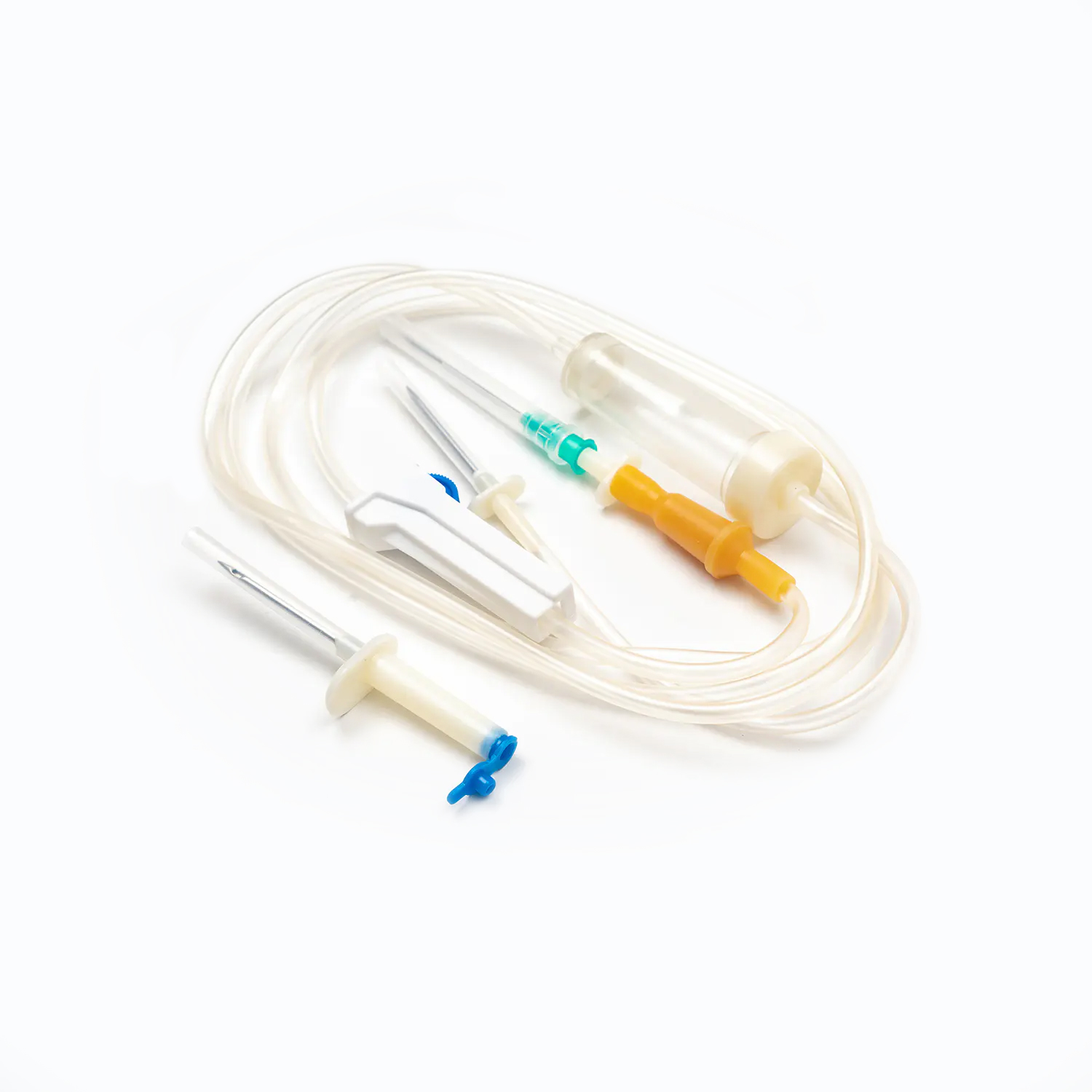
An infusion set is a core disposable medical device used for intravenous fluid and drug delivery in clinical ...READ MORE + -
Jun 22,2026 - Posted Admin
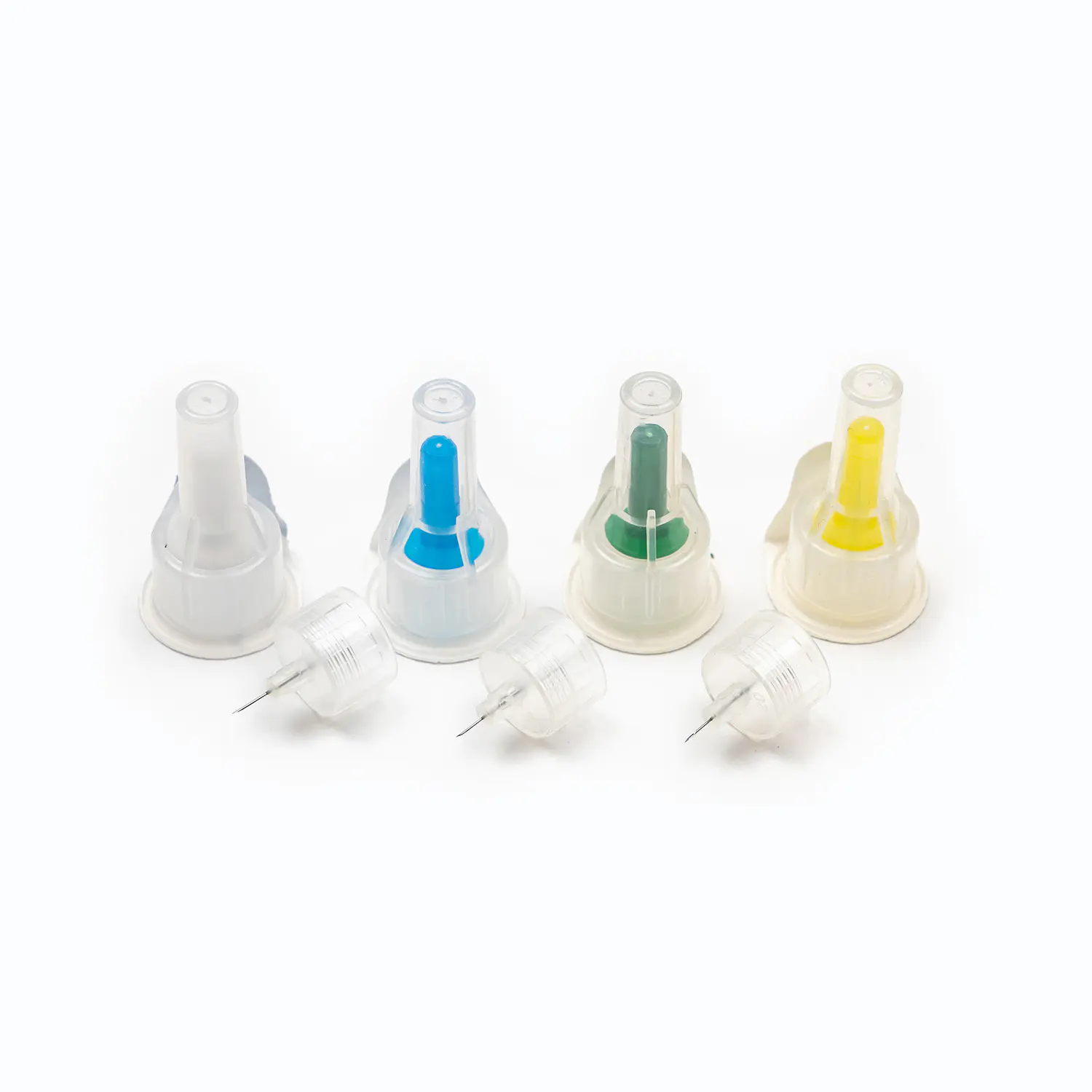
A syringe is a fundamental medical device designed for the precise withdrawal, measurement, and injection of ...READ MORE + -
Jun 18,2026 - Posted Admin
Miami, USA – June 17–19, 2026 – Shandong Wuzhou Medical Equipment Co., Ltd. officially participates in WHX Mi...READ MORE +
Our mission is to provide high-quality products, responsive service and prompt delivery, partnering with our clients for sustainable development.
What are the basic steps in latex catheter manufacturing?
Latex catheters are a common medical device used to deliver liquids or gases, such as IV tubes, ventilator tubes, etc. The basic steps for manufacturing latex catheters usually include raw material preparation, mixing, extrusion, vulcanization, testing and packaging. Below is a detailed description of these steps:
Raw material preparation:
The first step in making latex catheters is to prepare the raw materials. The main raw materials include latex, plasticizers, vulcanizing agents, antioxidants, fillers, etc. The selection and quality of these raw materials directly affects the performance and durability of the final latex catheter.
Mixing:
Mixing is usually performed on a dedicated mixer. A mixer is usually a huge reactor with a stirrer inside to thoroughly mix the raw materials. The design and movement of the agitator have an important impact on the mixing effect. According to the formulated formula, various raw materials weighed in advance are accurately put into the mixing machine. Formula accuracy and control are key factors in ensuring product quality. Once the raw materials are placed into the mixer, the heating process begins. The purpose of heating is to make the latex fluid and facilitate mixing. Steam or electric heating systems are usually used, and temperature control is very critical to ensure that the mixing temperature is within the appropriate range. While heating, the mixer's agitator starts working, mixing the raw materials with each other. This process takes some time to ensure that the ingredients are fully integrated to form a homogeneous latex mixture. The mixing time and speed are also parameters that need to be precisely controlled, followed by cold zone and sampling testing.
Extrude:
The kneaded latex mixture is fed into the extruder. An extruder mechanically squeezes latex into a tube or specific shape, a process called extrusion. The design and adjustment of the extruder affects the diameter, wall thickness and other parameters of the tube.
vulcanization:
The extruded latex catheter is vulcanized, a critical step. The purpose of vulcanization is to chemically react with the vulcanizing agent in the latex through heating to form the elastic skeleton of the latex catheter. The time and temperature of the vulcanization process will affect the hardness and elasticity of the conduit.
Cooling and dressing:
The vulcanized latex conduits are fed into a cooling unit to solidify them. At the same time, trimming and cutting are performed to ensure that the size, shape and surface quality of the conduit meet standards.
Detection:
Manufactured latex catheters need to undergo strict testing to ensure product quality. Common inspections include appearance inspection, dimensional measurement, hardness testing, tensile strength testing, etc. These tests ensure the reliability and safety of the catheter.
Cleaning and packaging:
Latex catheters that have passed the inspection need to go through a cleaning process to ensure that their surfaces are clean and dust-free. This is followed by packaging, usually in sterile packaging to prevent contamination and preserve the long-term shelf life of the product.
The manufacture of latex catheters involves several key steps, including raw material preparation, compounding, extrusion, vulcanization, testing and packaging. Precise control and quality monitoring of each step are important links to ensure that the final product meets medical standards and safety requirements. The successful execution of these steps not only affects the physical properties of the catheter, but also relates to its effectiveness and safety in the medical field.
Address
Dingtao District (Yantai) Industrial Park, Shandong Province, China


Products
Mobile Site
